DEEP DIVE: THE GOVERNOR’S 2026 STATE BUDGET PROPOSAL

Michigan succeeds when all of its residents have access to what they need to thrive — high-quality education, healthcare, support for their basic needs and opportunities to engage in the economy. This also needs to extend to our justice-involved youth and adults. While policymakers have enacted a number of criminal legal system reforms over the past several years — including raising the age for who is considered an adult under our legal system, allowing for expungement of certain prior convictions and reforms for justice-involved youths — the state budget provides an opportunity to provide direct support to those currently involved in the justice system.
JUSTICE-INVOLVED YOUTH SUPPORTS_____________________________
Over the past several years, Michigan has enacted a number of policies to help reform our juvenile justice system, including raising the age of automatic adult adjudication and improving county services for justice-involved youth. However, Michigan still detains youth at one of the highest rates in the nation, especially for non-criminal behavior, and because of systemic barriers and racial bias, youth of color are disproportionately impacted by juvenile justice policies. A bipartisan Task Force on Juvenile Justice Reform was created in June of 2021, relied on data- and research-backed analysis, and presented a number of reforms that can help both deter delinquency and improve rehabilitation of justice-involved youth. Many of the recommendations of this Task Force have been implemented, and the governor’s budget continues the investment in those services.
THE GOVERNOR’S BUDGET RECOMMENDATION INCLUDES THE FOLLOWING TO SUPPORT JUSTICE-INVOLVED YOUTH:
✓ Residential Facility Operations. The governor’s budget includes a net $12.6 million and 57 employee increase to help support two juvenile residential facilities. Included in this are an additional $4.1 million and four employee increase for the Bay Pines Center in Escanaba, a reduction of $7.6 million and 58 employees due to the closure of the Shawono Center in Grayling, and an additional $16.1 million and 111 employees for the new Michigan Youth Treatment Center in Macomb County. The decision to close the outdated Shawono Center and move to the new facility was made in January 2025, and it will allow the state to serve more youths and to hopefully improve staffing, services and treatment options for justice-involved youths. (Dept. of Health and Human Services)
WHAT’S MISSING?
X Funding to support implementation of youth defense. One of the recommendations of the Task Force on Juvenile Justice Reform was to help provide effective public defense of justice-involved youth. The Michigan Indigent Defense Commission needs funding to support staff necessary to conduct the research, data analysis, and compliance framework to develop youth defense standards, which will help implement Senate BIll 81 (Shink) or House Bill 4070 (Lightner). (Licensing and Regulatory Affairs)
SUPPORTING JUSTICE-INVOLVED ADULTS_____________________________
Michigan’s Department of Corrections (MDOC) is responsible for the operation and maintenance of the state’s 26 correctional facilities, and for providing housing, care and supervision of people who are incarcerated, on probation or on parole. As of February 1, 2025, the department was responsible for 73,397 offenders, including 35,574 incarcerated individuals, 31,637 individuals on probation, and 9,186 persons on parole. This represents a net decrease of 575 from the prior year, with declines in incarcerated individuals and probationers outnumbering increases in individuals being supervised on parole. Much of the MDOC budget is based on the number of individuals being supervised and the services – like healthcare – they need, the number of corrections officers, and the costs to maintain the prison facilities, but there are a few programs within the budget that help incarcerated individuals prepare for reentry, like education and workforce development, mental and physical health supports and housing.
THE GOVERNOR’S BUDGET RECOMMENDATION INCLUDES THE FOLLOWING IN THE DEPARTMENT OF CORRECTIONS:
✓ Peer Recovery Coaches. The budget includes $6.6 million to expand the number of peer recovery coaches in parole offices, probation offices and on site at correctional facilities. Peer recovery coaches support, encourage and educate justice-involved Michiganders who have substance use disorders.
✓ Transitional Housing Support. The governor recommends $2 million in one-time general fund to support the development of two multi-unit transitional housing locations to provide temporary housing to parolees upon reentry into the community. MDOC would collaborate with private developers and non-profit organizations to construct new or renovate existing facilities to meet housing needs in underserved communities.
✓ Probation Success Services. The executive budget includes $1.5 million to expand the number of individuals on probation that receive reentry services, such as behavioral therapies, employment placement, vital documents like driver’s licenses or state identification cards, physical and behavioral health services and transportation. Currently, only people on probation in two prosperity regions, region 1 (which covers the entire Upper Peninsula) and region 4 (covering 13 counties in west Michigan – Mason, Lake, Osceola, Oceana, Newaygo, Mecosta, Muskegon, Montcalm, Ottawa, Kent, Ionia, Allegan and Barry), benefit from these services. The governor’s budget would expand this to include region 2 (10 counties in northwest Michigan – Emmet, Charlevoix, Antrim, Kalkaska, Missaukee, Grand Traverse, Wexford, Leelanau, Benzie and Manistee), region 7 (3 capital area counties including Clinton, Eaton and Ingham), and region 8 (7 southwest Michigan counties including Van Buren, Kalamazoo, Calhoun, Berrien, Cass, St. Joseph and Branch).
✓ Higher Education in Prisons. Currently, 13 colleges and universities provide education to persons who are incarcerated in our correctional facilities, with additional schools expected to join. These collaborations provide incarcerated individuals with the opportunity to participate in certificate, associate and bachelor degree programs. The governor’s budget would increase funding by $750,000; funding for the program helps support staffing, supplies and tuition.
✓ Court Modernization. The governor’s budget recommends $3.4 million in one-time funds to automate the prisoner count and callout processes in correctional facilities. Currently, this is a manual process, and pencil and paper are used to tally and record or track the movement of incarcerated individuals within the facilities. More details are needed to determine how this process would be implemented in order to determine the impact on incarcerated individuals, as concerns existed on previous versions of the proposal.
WHAT’S MISSING?
X Additional support for healthcare costs. Healthcare costs for incarcerated individuals are expected to increase by 25%. Currently, persons who are incarcerated who need to see a medical professional help cover the costs with a copay, which translates to a $170 medical copay to individuals outside of prison. This fee, which represents only 0.07% of MDOC’s overall healthcare budget, functions as a regressive tax borne by incarcerated Michiganders and, more often than not, their loved ones on the outside. This results in higher costs on the families of those who are incarcerated, who often provide the payment of the copay, or incarcerated individuals simply go without healthcare until it is absolutely an emergency when copays can be waived. This current system not only destabilizes the economic security of the person in prison and their families, but also increases healthcare costs and worsens health outcomes. Medical copays in prison may also increase healthcare costs by delaying the diagnosis and treatment of emerging chronic diseases. Waiving the copays and backfilling the revenue reduction would help incarcerated individuals access the healthcare they need when they need it.
OTHER CRIMINAL LEGAL SYSTEM INVESTMENTS_____________________
Michiganders who are incarcerated and returning citizens rely on support that goes beyond the services they receive while confined. Investments in these areas help support a person’s right to due process, reduce recidivism and keep communities safe.
THE GOVERNOR’S BUDGET RECOMMENDATION INCLUDES THE FOLLOWING FOR CRIMINAL LEGAL SYSTEMS:
✓ Services for people exiting incarceration. The governor’s budget includes $40 million ($20 million General Fund) to support implementation of the state’s federally approved demonstration waiver. The waiver will extend limited Medicaid coverage to incarcerated individuals 90 days prior to their release date, covering key health screenings, medications and targeted case management to facilitate successful reentry. This will help reduce reliance on emergency medical services and support the transition of care for people exiting incarceration. (Dept. of Health and Human Services)
✓ Increasing staff at the State Appellate Defender Office. The State Appellate Defender Office (SADO) provides state-funded public defenders to represent individuals with pending appeals and ensure effective counsel for indigent people appealing criminal convictions; they handle about 30% of these individuals. The governor’s budget includes an additional $2.3 million and 12 new attorney and support staff positions. This will implement the second year of a three-year, phased implementation of workload standards. (Judiciary)
✓ Increasing support for public defenders of indigent individuals at initial trials. The Michigan Indigent Defense Commission works to develop and implement minimum standards and provide grants to local trial courts to ensure Michigan’s public defense system is fair, cost-effective and constitutional. The governor recommends an additional $769,100 and four additional staff to support increased financial monitoring and planning efforts across county indigent defense systems. Three of the additional staff would focus on oversight of the financial and programmatic aspects of compliance with the standards. (Licensing and Regulatory Affairs)
✓ Creation of a Public Safety and Violence Prevention Fund. The governor’s budget recommends the creation of a Public Safety and Violence Prevention Fund with $75 million total to support public safety initiatives and services in cities, villages and townships. Of this, a percentage would be used to augment existing community violence intervention grants through the Department of Health and Human Services. (Dept. of Treasury)
A note on data
Finding and analyzing data on justice-involved Michiganders has been challenging for a number of reasons: it’s not available or if it is available, it’s incomplete or it cannot be compared across communities because there’s no standardization. Unfortunately, this means we rely on incomplete data or data from other states to form policy recommendations. To truly create improved outcomes for Michiganders across the state, we need adequate, comparable and available data. This is especially important to determine whether the changes will equitably impact disproportionately affected individuals and communities.

 Betsy Zobl-Tar
  Jay Cutler joined the League in March 2026 as the Kids Count Senior Data Analyst, where he collects, analyzes, and prepares data for Kids Count in Michigan.
 Danielle Taylor-Basemore joined the League as the Development Data and Stewardship Coordinator in June 2025. She brings with her five years of nonprofit experience with a special focus on community engagement, data visualization and strategic programming. Prior to joining the League, Danielle served as the Business District, Safety, and Digital Manager at Jefferson East, Inc.
 Scott Preston is a Senior Policy Analyst with the Michigan League for Public Policy, where he leads the organization’s immigration and criminal justice reform portfolios. In the three years prior to joining the League, Scott facilitated the Southeast Michigan Refugee Collaborative and managed a small business economic development program at Global Detroit. His work included launching Michigan’s first Refugee Film Festival and building on a trusted connector model that linked marginalized communities with crucial resources. Scott’s work at the League is informed by his background in journalism and research. He spent four years covering the Syrian refugee crisis in the Middle East for publications such as The Economist, and later worked with unaccompanied refugee minors through Samaritas. Scott holds a master’s degree in international migration and public policy from the London School of Economics and Political Science.
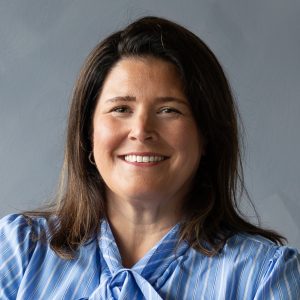 Kate Powers joined the League as the Chief Development Officer in February 2025. Prior to joining the League, Kate held leadership positions at many Michigan nonprofit organizations, most recently serving as the COO and Chief Development Officer of Ele’s Place. Kate has spent the bulk of her career in fundraising, with a short stint in the state Legislature as a legislative aide to members in both chambers. Kate is a graduate of Michigan State University’s James Madison College with a Bachelor of Arts in Social Relations and has a certificate in fundraising management from the Lilly Family School of Philanthropy at Indiana University. Additionally, Kate served on the East Lansing Public Schools Board of Education and is a past President of the Junior League of Lansing. In her free time, she enjoys traveling with her husband and her son and saving outfit of the day and home decor ideas on Pinterest.
  Nicholas Hess joined the League as the Fiscal Policy Analyst in September of 2024. In this role, Nicholas focuses on tax policy, government revenue, and their impact on working families and racial equity, including the effects of the Earned Income Tax Credit (EITC) and Child Tax Credit (CTC). Nicholas values the role that judicious fiscal policy can play in the improvement of people’s lives and the economy, alleviating inequities along the way.
 Audrey Matusz joined the League as the Visual Communications Specialist in September 2024. She supports the team with implementing social media strategies and brainstorming creative ways to talk about public policy. She brings with her nearly a decade of experience in producing digital products for evidence-based social justice initiatives.
  Jacob Kaplan
  Donald Stuckey
  Alexandra Stamm
 Amari Fuller
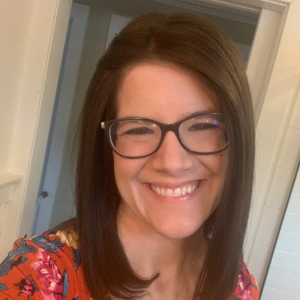 Mikell Frey is a communications professional with a passion for using the art of storytelling to positively impact lives. She strongly believes that positive social change can be inspired by the sharing of data-driven information coupled with the unique perspectives of people from all walks of life across Michigan, especially those who have faced extraordinary barriers.



 Yona Isaacs (she/hers) is an Early Childhood Data Analyst for the Kids Count project. After earning her Bachelor of Science in Biopsychology, Cognition, and Neuroscience at the University of Michigan, she began her career as a research coordinator in pediatric psychiatry using data to understand the impacts of brain activity and genetics on children’s behavior and mental health symptoms. This work prompted an interest in exploring social determinants of health and the role of policy in promoting equitable opportunities for all children, families, and communities. She returned to the University of Michigan to complete her Masters in Social Work focused on Social Policy and Evaluation, during which she interned with the ACLU of Michigan’s policy and legislative team and assisted local nonprofit organizations in creating data and evaluation metrics. She currently serves as a coordinator for the Michigan Center for Youth Justice on a project aiming to increase placement options and enhance cultural competency within the juvenile justice system for LGBTQIA+ youth. Yona is eager to put her data skills to work at the League in support of data-driven policies that advocate for equitable access to healthcare, education, economic security, and opportunity for 0-5 year old children. In her free time, she enjoys tackling DIY house projects and trying new outdoor activities with her dog.
 Rachel Richards rejoined the League in December 2020 as the Fiscal Policy Director working on state budget and tax policies. Prior to returning to the League, she served as the Director of Legislative Affairs for the Michigan Department of Treasury, the tax policy analyst and Legislative Director for the Michigan League for Public Policy, and a policy analyst and the Appropriations Coordinator for the Democratic Caucus of the Michigan House of Representatives. She brings with her over a decade of experience in policies focused on economic opportunity, including workforce issues, tax, and state budget.
 Simon Marshall-Shah joined the Michigan League for Public Policy as a State Policy Fellow in August 2019. His work focuses on state policy as it relates to the budget, immigration, health care and other League policy priorities. Before joining the League, he worked in Washington, D.C. at the Association for Community Affiliated Plans (ACAP), providing federal policy and advocacy support to nonprofit, Medicaid health plans (Safety Net Health Plans) related to the ACA Marketplaces as well as Quality & Operations.

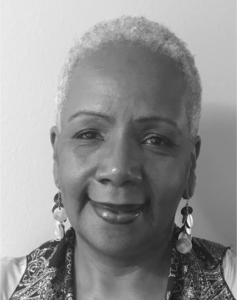 Renell Weathers, Michigan League for Public Policy (MLPP) Community Engagement Consultant. As community engagement consultant, Renell works with organizations throughout the state in connecting the impact of budget and tax policies to their communities. She is motivated by the belief that all children and adults deserve the opportunity to achieve their dreams regardless of race, ethnicity, religion or economic class.
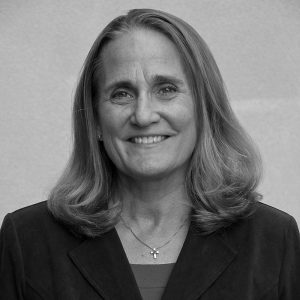


 Emily Jorgensen joined the Michigan League for Public Policy in July 2019. She deeply cares about the well-being of individuals and families and has a great love for Michigan. She is grateful that her position at the League enables her to combine these passions and work to help promote policies that will lead to better opportunities and security for all Michiganders.
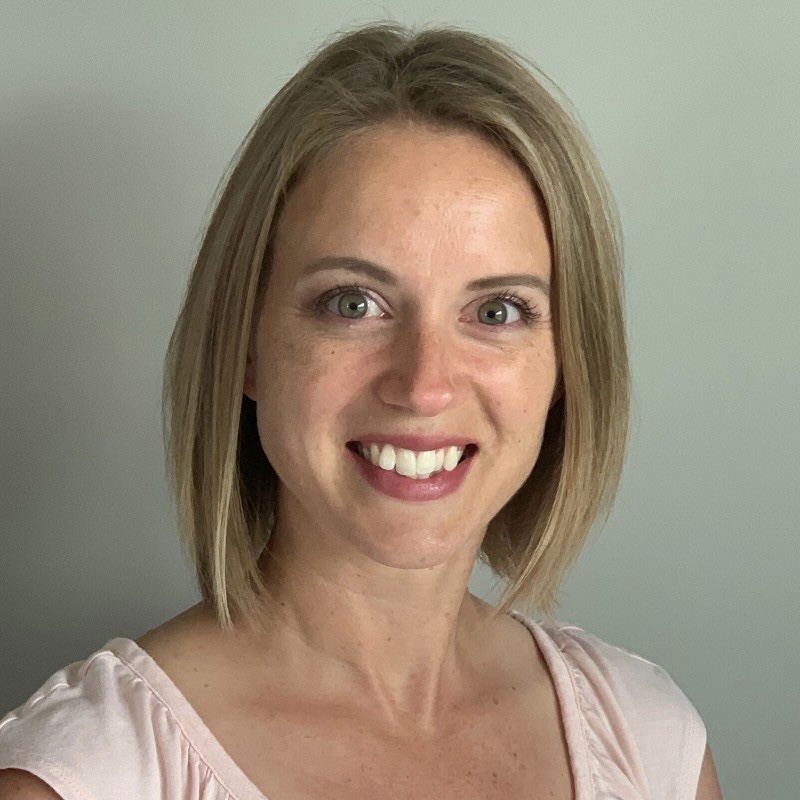 Megan Farnsworth joined the League’s staff in December 2022 as Executive Assistant. Megan is driven by work that is personally fulfilling, and feels honored to help support the work of an organization that pushes for more robust programming and opportunities for the residents of our state. She’s excited and motivated to gain overarching knowledge of the policies and agendas that the League supports.