DEEP DIVE: THE GOVERNOR’S 2026 STATE BUDGET PROPOSAL

All Michigan children deserve to have a safe home – a roof over their heads, heat and running water, food on their table and a family that loves them and provides care for them. Unfortunately, not all children have safe, stable, nurturing relationships and environments, and these adverse childhood experiences (ACEs) can result in long-term negative impacts on physical and mental health, opportunity and well-being. In situations where children are experiencing abuse or neglect, the state can step in and determine whether the child is safe.
In 2023, 190,775 children under the age of 17 lived in families that were investigated for alleged child abuse or neglect, and of these over 24,000 instances of abuse or neglect were confirmed. Once kids are connected to the child welfare system, the goal is to provide them with safe, permanent homes; however, that is not always the case, as every year hundreds of children still age out of the foster care system.
Many of these children – disproportionately our children of color – ultimately get placed with family members, foster families or in state institutionalized settings. Unfortunately, one of the drivers of our child welfare system is actually the mistaken identification of poverty as neglect, when families simply need to be connected to resources. Barriers to opportunity, such as segregation in and underfunding schools, food deserts, and strict limitations on benefits, have resulted in Black and Hispanic families having higher rates of poverty than their white peers.
Because of the mistaken identification of poverty as neglect and direct racial bias, research shows that Black children are more likely to be investigated and removed from their families for longer periods of time. Based on a Michigan Child Welfare Improvement Task Force report, despite 31% of Michigan’s children being children of color, they make up 51% of the foster care population.
Additionally, our child welfare system has also been historically under-resourced, and we continue to hear stories of how this under-resourcing has hurt or failed our children. In 2006, a federal class-action lawsuit was brought charging Michigan with violating the constitutional rights of the thousands of children in its custody. As a result, Michigan’s child welfare system was placed under federal oversight. While we remain under federal oversight today, Michigan has made strides through budget investments and state and federal policy changes to improve the lives of children and families connected to the system.
These include the federal Family First Prevention Services Act signed in 2018 to help support families at risk of getting connected to the child welfare system and the Michigan Department of Health and Human Services’ recent Keeping Kids Safe Action Agenda, which relies on best practices in child welfare in five key areas: prevention, intervention, stability, wellness and workforce. Family First gives states more flexibility to use federal funding for prevention, kinship care, and reducing and reforming non-family settings.
SUPPORTING FAMILIES INVOLVED WITH THE CHILD WELFARE SYSTEM_________________________
Our state budget can provide the necessary support to avoid interaction with the child welfare system by ensuring families have access to healthcare, substance use disorder prevention and treatment, basic cash assistance to meet daily needs, housing support – whether for rent or mortgage payments or utility support – child care, and affordable food to put on their tables.
Removing children from their families when they simply need access to resources unnecessarily negatively impacts affected children, and our state services should be better able to address the needs of families without potentially traumatic interventions. However, until we have policies in place that ensure all families that need help can get help, our child welfare system needs to be able to provide compassionate and comprehensive care for children and families affected.
It is key to address both the upstream indicators of getting connected to the child welfare system as well as providing support to children and families already connected.
THE GOVERNOR’S BUDGET RECOMMENDATION INCLUDES THE FOLLOWING FOR SUPPORTING FAMILIES:
✓ Improving support for families at risk of connection to the child welfare system. The governor’s budget recommends eliminating the Pathways to Potential program in order to fund a statewide expansion of Family Impact Teams (FIT). The FIT project, announced in 2023, intends to keep more children safe by making sure their parents are connected to programs that meet their basic needs.
The project embeds family resource specialists with child protection and foster care staff to help families apply for benefits such as food assistance, housing programs, and Medicaid, and connect them to other economic supports. While poverty is not the same thing as neglect, families experiencing temporary and long-term hardships are often identified by the child welfare system with neglect when these families really simply need to be connected to resources. Therefore, the FIT program helps identify children whose families are experiencing temporary hardships and provide them with the resources and connections they need to overcome these hardships.
Currently this project is in 23 counties (Allegan, Barry, Berrien, Chippewa, Clare, Dickinson, Delta, Grand Traverse, Isabella, Kalkaska, Leelanau, Luce, Mackinac, Macomb, Menominee, Oakland, Ogemaw, Ottawa, Roscommon, Saginaw, Sanilac, St. Clair and Wayne). The governor’s budget recommends eliminating the Pathways to Potential program, which largely serves the same purpose of identifying and providing resources to students to address barriers related to health, mental health, safety, housing and homelessness, food insecurity, hygiene, employment, transportation, and clothing. This will allow the FIT program to go statewide.
✓ Ensuring children remain connected to their families. $24.4 million ($22.6 million General Fund) to keep children in the child welfare system connected to their families by placing them with relatives. Children placed with family members often experience better outcomes, including increased stability and permanency, shorter periods in foster care, and preservation of familial and cultural identities. These funds would support the Kinship Advisory Council, Kinship Support Program, kinship activities for family bonding, and family finding specialists. Investments would also be available to support children and families through child care, transportation, meals, extracurricular activities or identified safety needs.
✓ Improving placement and permanency. Another $13.3 million ($11.2 million General Fund) for initiatives to keep children in their homes, reduce placements in residential facilities, place more kids with relatives and reduce their lengths of stay outside their homes.
✓ Supporting independent living. $2 million ($1.9 million General Fund) for independent living services for older youth in foster care. This would provide a 20% increase in the rates paid for Independent Living Plus, which covers the costs of increased staffing, programming and services to youth receiving services in host homes or staff-supported housing.
✓ Safekeeping of public benefits for youth exiting foster care. $3.5 million to ensure that young adults transitioning from the child welfare system to more independent living arrangements can retain their federal financial benefits, such as Social Security. The state may screen and apply for benefits on behalf of a child entering foster care, but is currently under no obligation to preserve these funds for the financial security of the child. In fact, in fiscal year 2022-2023, Michigan planned to use 100% of the $3.2 million in restricted revenue from federal benefits for eligible children in foster care to reimburse the Department of Health and Human Services for the cost of the child’s care. Senate Bill 18, sponsored by Sen. Jeff Irwin, would permanently stop this practice and would require the department to secure these funds in a designated account that can be accessed when the child is exiting care. The governor’s budget includes the necessary funds to allow for youth exiting care to receive these funds and have them available for essential needs like housing, education, transportation, food and healthcare.
✓ Keeping Native American children in their communities. $325,700 ($261,000 General Fund) to fully fund services to prevent the breakup of Native American families by increasing the rate paid to private agency foster care providers. The Federal Indian Child Welfare Act and Michigan Indian Family Preservation Act emphasize the importance of ensuring Native American children remain connected to their communities and recognize the sovereignty of tribal nations in child welfare cases, and the state pays private child placing agencies for costs associated with active efforts to maintain or reunite a Native American child with their families. This rate has not increased since 2011.

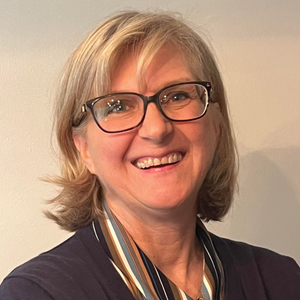 Betsy Zobl-Tar
  Jay Cutler joined the League in March 2026 as the Kids Count Senior Data Analyst, where he collects, analyzes, and prepares data for Kids Count in Michigan.
 Danielle Taylor-Basemore joined the League as the Development Data and Stewardship Coordinator in June 2025. She brings with her five years of nonprofit experience with a special focus on community engagement, data visualization and strategic programming. Prior to joining the League, Danielle served as the Business District, Safety, and Digital Manager at Jefferson East, Inc.
 Scott Preston is a Senior Policy Analyst with the Michigan League for Public Policy, where he leads the organization’s immigration and criminal justice reform portfolios. In the three years prior to joining the League, Scott facilitated the Southeast Michigan Refugee Collaborative and managed a small business economic development program at Global Detroit. His work included launching Michigan’s first Refugee Film Festival and building on a trusted connector model that linked marginalized communities with crucial resources. Scott’s work at the League is informed by his background in journalism and research. He spent four years covering the Syrian refugee crisis in the Middle East for publications such as The Economist, and later worked with unaccompanied refugee minors through Samaritas. Scott holds a master’s degree in international migration and public policy from the London School of Economics and Political Science.
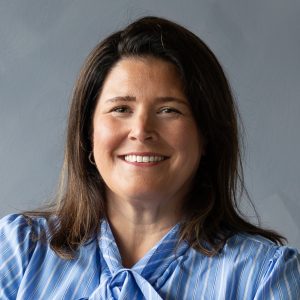 Kate Powers joined the League as the Chief Development Officer in February 2025. Prior to joining the League, Kate held leadership positions at many Michigan nonprofit organizations, most recently serving as the COO and Chief Development Officer of Ele’s Place. Kate has spent the bulk of her career in fundraising, with a short stint in the state Legislature as a legislative aide to members in both chambers. Kate is a graduate of Michigan State University’s James Madison College with a Bachelor of Arts in Social Relations and has a certificate in fundraising management from the Lilly Family School of Philanthropy at Indiana University. Additionally, Kate served on the East Lansing Public Schools Board of Education and is a past President of the Junior League of Lansing. In her free time, she enjoys traveling with her husband and her son and saving outfit of the day and home decor ideas on Pinterest.
  Nicholas Hess joined the League as the Fiscal Policy Analyst in September of 2024. In this role, Nicholas focuses on tax policy, government revenue, and their impact on working families and racial equity, including the effects of the Earned Income Tax Credit (EITC) and Child Tax Credit (CTC). Nicholas values the role that judicious fiscal policy can play in the improvement of people’s lives and the economy, alleviating inequities along the way.
 Audrey Matusz joined the League as the Visual Communications Specialist in September 2024. She supports the team with implementing social media strategies and brainstorming creative ways to talk about public policy. She brings with her nearly a decade of experience in producing digital products for evidence-based social justice initiatives.
  Jacob Kaplan
  Donald Stuckey
  Alexandra Stamm
 Amari Fuller
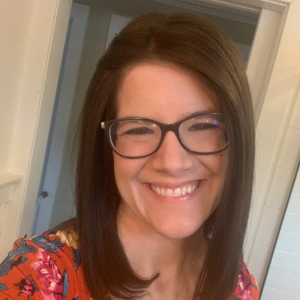 Mikell Frey is a communications professional with a passion for using the art of storytelling to positively impact lives. She strongly believes that positive social change can be inspired by the sharing of data-driven information coupled with the unique perspectives of people from all walks of life across Michigan, especially those who have faced extraordinary barriers.
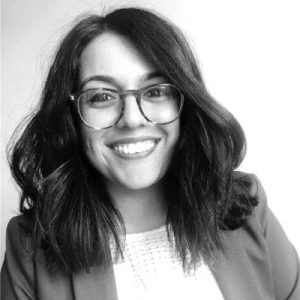


 Yona Isaacs (she/hers) is an Early Childhood Data Analyst for the Kids Count project. After earning her Bachelor of Science in Biopsychology, Cognition, and Neuroscience at the University of Michigan, she began her career as a research coordinator in pediatric psychiatry using data to understand the impacts of brain activity and genetics on children’s behavior and mental health symptoms. This work prompted an interest in exploring social determinants of health and the role of policy in promoting equitable opportunities for all children, families, and communities. She returned to the University of Michigan to complete her Masters in Social Work focused on Social Policy and Evaluation, during which she interned with the ACLU of Michigan’s policy and legislative team and assisted local nonprofit organizations in creating data and evaluation metrics. She currently serves as a coordinator for the Michigan Center for Youth Justice on a project aiming to increase placement options and enhance cultural competency within the juvenile justice system for LGBTQIA+ youth. Yona is eager to put her data skills to work at the League in support of data-driven policies that advocate for equitable access to healthcare, education, economic security, and opportunity for 0-5 year old children. In her free time, she enjoys tackling DIY house projects and trying new outdoor activities with her dog.
 Rachel Richards rejoined the League in December 2020 as the Fiscal Policy Director working on state budget and tax policies. Prior to returning to the League, she served as the Director of Legislative Affairs for the Michigan Department of Treasury, the tax policy analyst and Legislative Director for the Michigan League for Public Policy, and a policy analyst and the Appropriations Coordinator for the Democratic Caucus of the Michigan House of Representatives. She brings with her over a decade of experience in policies focused on economic opportunity, including workforce issues, tax, and state budget.
 Simon Marshall-Shah joined the Michigan League for Public Policy as a State Policy Fellow in August 2019. His work focuses on state policy as it relates to the budget, immigration, health care and other League policy priorities. Before joining the League, he worked in Washington, D.C. at the Association for Community Affiliated Plans (ACAP), providing federal policy and advocacy support to nonprofit, Medicaid health plans (Safety Net Health Plans) related to the ACA Marketplaces as well as Quality & Operations.

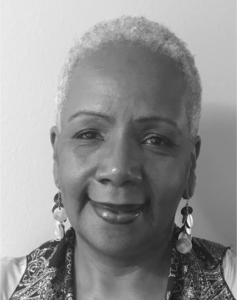 Renell Weathers, Michigan League for Public Policy (MLPP) Community Engagement Consultant. As community engagement consultant, Renell works with organizations throughout the state in connecting the impact of budget and tax policies to their communities. She is motivated by the belief that all children and adults deserve the opportunity to achieve their dreams regardless of race, ethnicity, religion or economic class.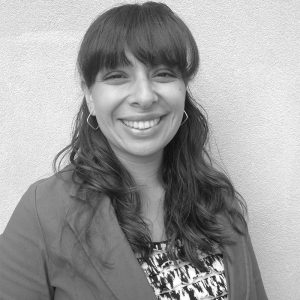
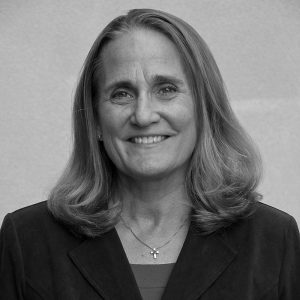

 Emily Jorgensen joined the Michigan League for Public Policy in July 2019. She deeply cares about the well-being of individuals and families and has a great love for Michigan. She is grateful that her position at the League enables her to combine these passions and work to help promote policies that will lead to better opportunities and security for all Michiganders.
 Megan Farnsworth joined the League’s staff in December 2022 as Executive Assistant. Megan is driven by work that is personally fulfilling, and feels honored to help support the work of an organization that pushes for more robust programming and opportunities for the residents of our state. She’s excited and motivated to gain overarching knowledge of the policies and agendas that the League supports.