DEEP DIVE: THE GOVERNOR’S 2026 STATE BUDGET PROPOSAL
Michiganders succeed when they are given the resources that allow them to go to school, work and participate in their community. Children have a difficult time learning if they are hungry or if they worry about whether their family can afford their next meal. Stable, safe, affordable housing is necessary to find and retain a job. Being able to access their basic needs helps Michiganders achieve better educational outcomes, live healthier lives and access economic prosperity.
For too long, our budget has disinvested in key areas that can have these lifelong beneficial impacts on the lives of our most important commodity — our people. The COVID-19 pandemic and our resulting recovery has shown policymakers the importance of investing in these social determinants of health and direct drivers of economic prosperity. When we prioritize state investments that help Michiganders afford their basic needs, put food on their tables and access safe housing, it has long-lasting impacts on the lives of Michigan’s families and children. The governor’s budget builds on current-year commitments to food access and safe, affordable housing, and makes key investments in programs to support direct cash payments, which would be the first significant investment since the program’s inception.
Please note, investments covering the basic needs of Michiganders cross many different areas of the state budget. If a department is not listed within the investment line, the program and funding falls within the budget for the Department of Health and Human Services (MDHHS).
BASIC CASH ASSISTANCE_____________________________
Michigan’s Family Independence Program (FIP) is the main way we provide basic cash assistance to Michiganders with no to very low incomes. After years of neglect of eligibility criteria and harmful policies enacted by the Legislature, the number of families served by the program dropped from nearly 80,000 per month in 2011 to about 12,500 per month — including nearly 21,500 children — in 2024. While the first significant investments in Michigan’s FIP were included in the current year budget, we are still waiting to see how those investments impacted the lives of Michigan families and kids.
THE GOVERNOR’S BUDGET RECOMMENDATION INCLUDES THE FOLLOWING FOR BASIC CASH ASSISTANCE PROGRAMS:
✓ Maintains funding for the Prenatal and Infant Support Program. Childbirth, even of a planned child, can cause significant financial strain on a family’s budget. The toxic stress of poverty can have long-lasting impacts on the lives of children. To help provide support for families during this precarious time, the current year budget provided a total of $20 million in federal dollars to target supplemental cash assistance to pregnant people and families living with low incomes that have children, which are local programs modeled after the Rx Kids program in Flint, and starting in 2025, the Prenatal and Infant Support Program is supporting new programs in Kalamazoo and in the eastern Upper Peninsula (Alger, Chippewa, Luce, Mackinac or Schoolcraft counties). This program provides direct supplemental income to pregnant people and families with young children, and Rx Kids participants in Flint have said they’ve used the funds to purchase baby supplies, food and clothing, or cover rent and utility bills, among other necessities. Surveys of participants also say that the support has helped them make ends meet, feel more secure in their finances, become more confident as parents and access healthcare for themselves or their children. The governor’s budget recommends continuing this $20 million investment.
✓ Invests in local fatherhood initiatives. The governor’s budget recommends spending $5 million in federal Temporary Assistance for Needy Families (TANF) funds to support local fatherhood organizations and other family support providers, training caseworkers to support fathers in their communities, and raising awareness within communities about the importance of fathers for young children.
✓ Increases investment in promotion of and education about the Michigan Achieving a Better Life Experience (MiABLE) program. The governor recommends increasing this investment by $2 million to a total of $5 million ongoing (General Fund). Funded at $3 million in the current year, MiABLE allows people who become disabled before age 26 to save money for disability-related expenses without affecting their eligibility for other public benefits programs (which typically limit disabled people to a mere $2,000 in assets). Very few eligible Michiganders are currently enrolled. This year, a federal law change will expand eligibility to all people disabled before age 46 – an additional 500,000 residents (Treasury).
✓ Invests in local fatherhood initiatives. The governor’s budget recommends spending $5 million in federal Temporary Assistance for Needy Families (TANF) funds to support local fatherhood organizations and other family support providers, training caseworkers to support fathers in their communities, and raising awareness within communities about the importance of fathers for young children.
✓ Increases investment in promotion of and education about the Michigan Achieving a Better Life Experience (MiABLE) program. The governor recommends increasing this investment by $2 million to a total of $5 million ongoing (General Fund). Funded at $3 million in the current year, MiABLE allows people who become disabled before age 26 to save money for disability-related expenses without affecting their eligibility for other public benefits programs (which typically limit disabled people to a mere $2,000 in assets). Very few eligible Michiganders are currently enrolled. This year, a federal law change will expand eligibility to all people disabled before age 46 – an additional 500,000 residents (Treasury).
WHAT’S MISSING?
X A paid family and medical leave program. During the governor’s August 2023 special address, she announced support for a state-level paid family and medical leave program that would allow all workers to access paid leave during illness, following the birth of a child, while caring for a family member, or for other purposes. Typically paid for by payroll taxes that are shared between the employer and the employee, state-administered paid leave programs provide at least partial replacement of wages that are lost due to family or medical leave needs. Legislation to implement such a policy has stalled in the Legislature.
HEALTHY FOOD ACCESS_____________________________
The ability to access and pay for healthy food is essential to a person’s health and ability to learn and go to work. The federally funded Supplemental Nutrition Assistance Program (SNAP) remains the state’s main way to help families afford groceries, and in 2024, the state removed barriers to access SNAP by eliminating the asset test that was used to determine eligibility. Building on this success, Michigan’s budget recognizes that Michiganders of all ages and stages in life could use extra support in ensuring healthy meals make it to their dinner tables.
THE GOVERNOR’S BUDGET RECOMMENDATION INCLUDES THE FOLLOWING FOR HEALTHY FOOD ACCESS:
✓ Maintaining current funding for the following effective nutrition incentive programs:
-
- Ten Cents a Meal, a competitive grant program that provides incentives for school districts and child care centers to purchase Michigan-grown produce ($4 million School Aid Fund; $500,000 General Fund).
- Double Up Food Bucks, a public-private partnership that allows shoppers using SNAP to double up to $20 in benefits per day by purchasing Michigan-grown produce at participating grocery stores and farmers markets ($5 million General Fund, which serves as a match for additional federal funds.)
✓ Continuing the healthy school meals program by investing $200 million to offer public pre-K through 12 schools the option to provide free breakfast and lunch to all students. The money covers all school meal costs that are not reimbursed by the federal government. Current budget year funding comprises $170 million from the School Aid Fund (SAF) and $30 million from the School Meals Reserve Fund. Under the proposed 2026 budget, the entire $200 million would come from the SAF.
WHAT’S MISSING?
X Funding to continue or expand the hunger-free campus program. The current year budget included $500,000 for a pilot program that provided grants of $125,000 each to Michigan State University, Northern Michigan University, Grand Rapids Community College, and Macomb Community College to reduce student hunger through establishment of campus food pantries, campus meal plan credit donations, and other policies (Lifelong Education, Advancement, and Potential).
SAFE, ATTAINABLE HOUSING_____________________________
Access to safe, affordable housing is a crucial factor in an individual’s health status, academic success and economic stability. Unfortunately, high housing costs and the lack of available, affordable housing has resulted in many Michiganders having to make tough decisions between housing, healthcare access, food access and other basic needs. While unaffordable housing costs disproportionately affect renters and households in urban communities, it is neither a new issue nor one that only affects certain demographic or geographic populations.
THE GOVERNOR’S BUDGET RECOMMENDATION INCLUDES THE FOLLOWING FOR ACCESS TO SAFE, AFFORDABLE HOUSING:
✓ Employer-assisted housing program. $25 million General Fund would create an employer-assisted housing financing program that would provide a 1:1 match for employers’ investments in housing support for workers up to 120% of area median income. Eligible investments would include housing acquisition, rental housing, down payment assistance and rehabilitation.
✓ Transitional housing for formerly incarcerated persons. A $2 million (one-time General Fund) investment would develop transitional housing sites to provide temporary housing to formerly incarcerated people upon returning to the community. The state would have to collaborate with private developers and nonprofit organizations to build new or renovate existing sites to meet needs in underserved areas (Corrections Budget).
✓ Funding for the expansion of the Michigan Energy Assistance Program (MEAP). Historically, MEAP has been supported by the Low-Income Energy Assistance Fund (LIEAF), which is subject to a $50 million cap and has been funded by a monthly surcharge of up to $1 on customer bills from participating utilities. The program assists families up to 150% of the Federal Poverty Level with energy bill payment and services that promote self-sufficiency. Recently enacted legislation expands eligibility beginning October 1, 2025; lifts the $50 million LIEAF cap; and allows for gradual increase of the monthly surcharge to cover services for the newly eligible families. The governor’s budget includes $75 million ($25 million one-time General Fund) for MEAP.
WHAT’S MISSING?
X Revival of the Emergency Rental Assistance (ERA) program that was in place during the pandemic. Federal emergency rental assistance helped pay rent and utility bills for nearly 263,000 Michiganders who experienced hardship resulting from the COVID-19 pandemic. But those funds have dried up and evictions and homelessness are on the rise again. Continued state investment in this effective program would keep struggling families safe, support landlords when their tenants’ ability to pay rent is uncertain and ensure stability of the rental market.
X Continued expansion of supportive housing (SH) for disabled people experiencing long-term homelessness. Over the last two budget years, the Legislature allocated $26 million to help meet Michigan’s substantial unmet SH needs. It’s important to build on those initial investments while the state works to leverage more Medicaid dollars for these long-term services and supports. As more Medicaid dollars flow into the system over time, the need for state funds will decrease.
X Adequate funding to support water affordability for families with low incomes. The 2025 budget includes $10 million for water bill assistance. For 2026, the governor proposes to reduce funding to $7 million General Fund ($6 million one-time; $1 million ongoing) for competitive grants to water service providers to assist residents with low incomes. The funds could be used to restore service, pay down water bill arrearages, support income-based water affordability plans and prevent shutoffs for at-risk households. Efforts to establish a sustainable water affordability program funded through a small customer surcharge are ongoing. In the meantime, a state appropriation is critical for continued resident access to service; however, with 370,000 Michigan households struggling to pay their water bills, gap funding needs could reach up to $60 million.

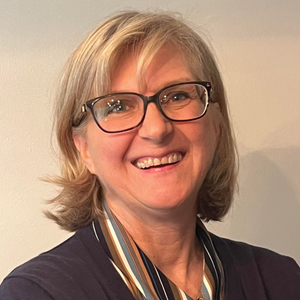 Betsy Zobl-Tar
  Jay Cutler joined the League in March 2026 as the Kids Count Senior Data Analyst, where he collects, analyzes, and prepares data for Kids Count in Michigan.
 Danielle Taylor-Basemore joined the League as the Development Data and Stewardship Coordinator in June 2025. She brings with her five years of nonprofit experience with a special focus on community engagement, data visualization and strategic programming. Prior to joining the League, Danielle served as the Business District, Safety, and Digital Manager at Jefferson East, Inc.
 Scott Preston is a Senior Policy Analyst with the Michigan League for Public Policy, where he leads the organization’s immigration and criminal justice reform portfolios. In the three years prior to joining the League, Scott facilitated the Southeast Michigan Refugee Collaborative and managed a small business economic development program at Global Detroit. His work included launching Michigan’s first Refugee Film Festival and building on a trusted connector model that linked marginalized communities with crucial resources. Scott’s work at the League is informed by his background in journalism and research. He spent four years covering the Syrian refugee crisis in the Middle East for publications such as The Economist, and later worked with unaccompanied refugee minors through Samaritas. Scott holds a master’s degree in international migration and public policy from the London School of Economics and Political Science.
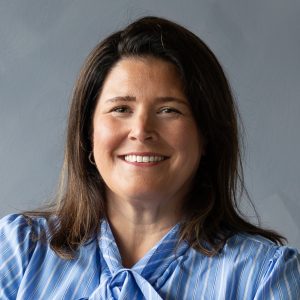 Kate Powers joined the League as the Chief Development Officer in February 2025. Prior to joining the League, Kate held leadership positions at many Michigan nonprofit organizations, most recently serving as the COO and Chief Development Officer of Ele’s Place. Kate has spent the bulk of her career in fundraising, with a short stint in the state Legislature as a legislative aide to members in both chambers. Kate is a graduate of Michigan State University’s James Madison College with a Bachelor of Arts in Social Relations and has a certificate in fundraising management from the Lilly Family School of Philanthropy at Indiana University. Additionally, Kate served on the East Lansing Public Schools Board of Education and is a past President of the Junior League of Lansing. In her free time, she enjoys traveling with her husband and her son and saving outfit of the day and home decor ideas on Pinterest.
  Nicholas Hess joined the League as the Fiscal Policy Analyst in September of 2024. In this role, Nicholas focuses on tax policy, government revenue, and their impact on working families and racial equity, including the effects of the Earned Income Tax Credit (EITC) and Child Tax Credit (CTC). Nicholas values the role that judicious fiscal policy can play in the improvement of people’s lives and the economy, alleviating inequities along the way.
 Audrey Matusz joined the League as the Visual Communications Specialist in September 2024. She supports the team with implementing social media strategies and brainstorming creative ways to talk about public policy. She brings with her nearly a decade of experience in producing digital products for evidence-based social justice initiatives.
  Jacob Kaplan
  Donald Stuckey
  Alexandra Stamm
 Amari Fuller
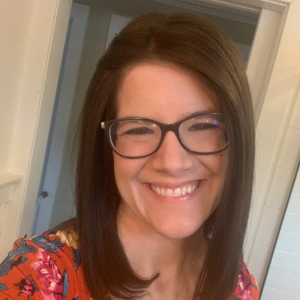 Mikell Frey is a communications professional with a passion for using the art of storytelling to positively impact lives. She strongly believes that positive social change can be inspired by the sharing of data-driven information coupled with the unique perspectives of people from all walks of life across Michigan, especially those who have faced extraordinary barriers.
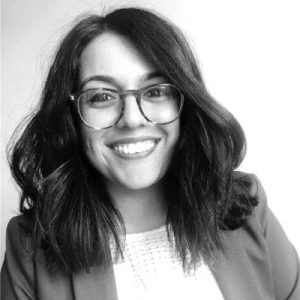


 Yona Isaacs (she/hers) is an Early Childhood Data Analyst for the Kids Count project. After earning her Bachelor of Science in Biopsychology, Cognition, and Neuroscience at the University of Michigan, she began her career as a research coordinator in pediatric psychiatry using data to understand the impacts of brain activity and genetics on children’s behavior and mental health symptoms. This work prompted an interest in exploring social determinants of health and the role of policy in promoting equitable opportunities for all children, families, and communities. She returned to the University of Michigan to complete her Masters in Social Work focused on Social Policy and Evaluation, during which she interned with the ACLU of Michigan’s policy and legislative team and assisted local nonprofit organizations in creating data and evaluation metrics. She currently serves as a coordinator for the Michigan Center for Youth Justice on a project aiming to increase placement options and enhance cultural competency within the juvenile justice system for LGBTQIA+ youth. Yona is eager to put her data skills to work at the League in support of data-driven policies that advocate for equitable access to healthcare, education, economic security, and opportunity for 0-5 year old children. In her free time, she enjoys tackling DIY house projects and trying new outdoor activities with her dog.
 Rachel Richards rejoined the League in December 2020 as the Fiscal Policy Director working on state budget and tax policies. Prior to returning to the League, she served as the Director of Legislative Affairs for the Michigan Department of Treasury, the tax policy analyst and Legislative Director for the Michigan League for Public Policy, and a policy analyst and the Appropriations Coordinator for the Democratic Caucus of the Michigan House of Representatives. She brings with her over a decade of experience in policies focused on economic opportunity, including workforce issues, tax, and state budget.
 Simon Marshall-Shah joined the Michigan League for Public Policy as a State Policy Fellow in August 2019. His work focuses on state policy as it relates to the budget, immigration, health care and other League policy priorities. Before joining the League, he worked in Washington, D.C. at the Association for Community Affiliated Plans (ACAP), providing federal policy and advocacy support to nonprofit, Medicaid health plans (Safety Net Health Plans) related to the ACA Marketplaces as well as Quality & Operations.

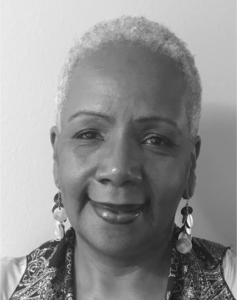 Renell Weathers, Michigan League for Public Policy (MLPP) Community Engagement Consultant. As community engagement consultant, Renell works with organizations throughout the state in connecting the impact of budget and tax policies to their communities. She is motivated by the belief that all children and adults deserve the opportunity to achieve their dreams regardless of race, ethnicity, religion or economic class.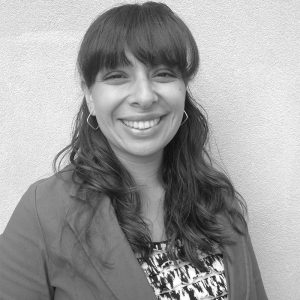
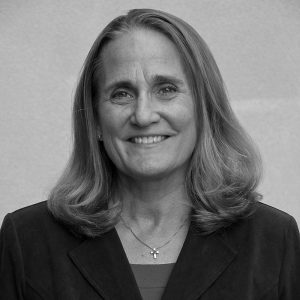
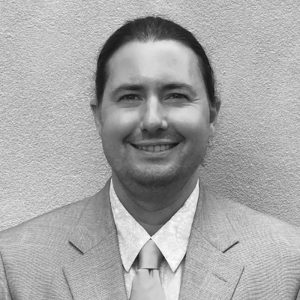

 Emily Jorgensen joined the Michigan League for Public Policy in July 2019. She deeply cares about the well-being of individuals and families and has a great love for Michigan. She is grateful that her position at the League enables her to combine these passions and work to help promote policies that will lead to better opportunities and security for all Michiganders.
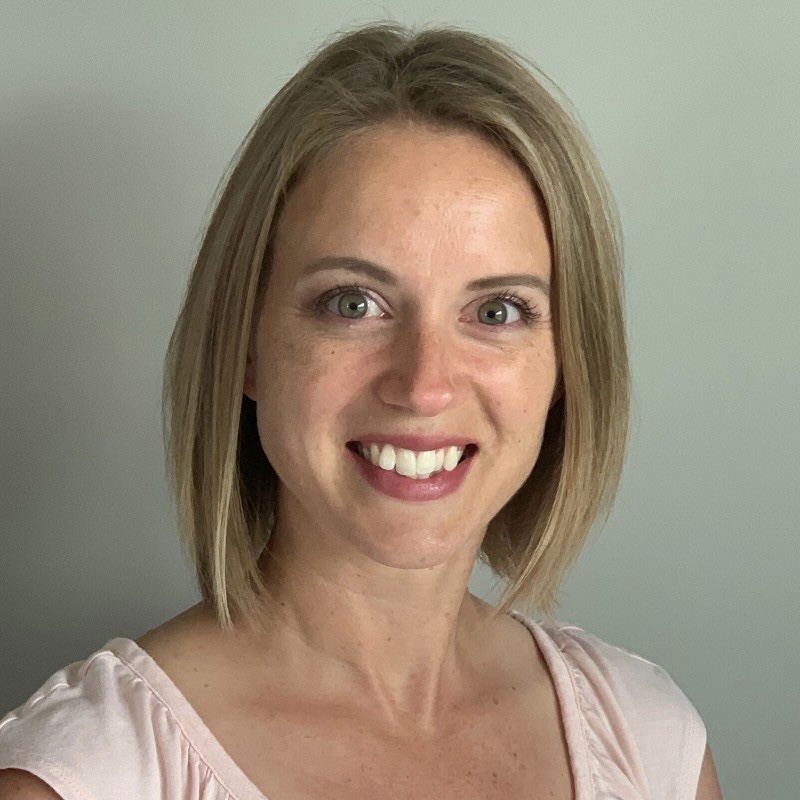 Megan Farnsworth joined the League’s staff in December 2022 as Executive Assistant. Megan is driven by work that is personally fulfilling, and feels honored to help support the work of an organization that pushes for more robust programming and opportunities for the residents of our state. She’s excited and motivated to gain overarching knowledge of the policies and agendas that the League supports.