THRIVING FAMILIES & COMMUNITIES
One in 10 kids in Michigan lives in a high-poverty area where more than 30% of households fall below the Federal Poverty Level. High-poverty areas experience a lack of revenue and investment, resulting in diminished access to healthy food, quality medical care, education and jobs. For many cities, the racial and economic segregation of neighborhoods is part of the legacy of redlining and white flight, both evidence of the long-lasting legacy of institutional racism and de facto segregation that continue to harm our communities.
A clean environment
Water that is safe to drink
Ten years since negligence and environmental racism allowed thousands of Flint residents to be exposed to lead-contaminated drinking water, communities across the state continue to see high rates of lead poisoning. Lead exposure is associated with developmental delays as well as learning and behavior problems.
In 2023, 3,460 toddlers in Michigan were confirmed to have elevated blood lead levels, but efforts to replace lead pipes can reduce many of these adverse outcomes. One recent analysis found a return on investment of $2.44 for every dollar invested in replacement costs.1 Filter First legislation passed in 2023 requires touchless hydration stations and faucet filters in schools and child care centers, but will require more state investment to ensure all children are safe.
An area of concern regarding environmental health is that lead testing rates fell during the pandemic so some exposures may have gone unaddressed.
Bipartisan legislation requiring universal lead testing was signed by Gov. Gretchen Whitmer in 2023 and came into effect in May 2025. The new law will require lead testing for all toddlers at ages 1 and 2 as well as at age 4 for children in high-risk geographies. This will help to identify elevated blood lead levels earlier and reduce the harm of lead exposure.
Clean air
Air pollution is especially harmful to children, whose brains and bodies are still developing. On average, 1,600 children ages birth to 14 are hospitalized for asthma each year across Michigan. Rates of asthma in children are highest for Black children as well as for children living in poverty.2
The harms of pollution are not equally felt, as segregated neighborhoods established through redlining and maintained through discriminatory mortgage lending practices leave some people of color disproportionately exposed to air pollution.3 Black, Asian and Latino neighborhoods are often located closer to highways, industrial plants and other sources of air pollution that undermine health and well-being.
Access to healthy food
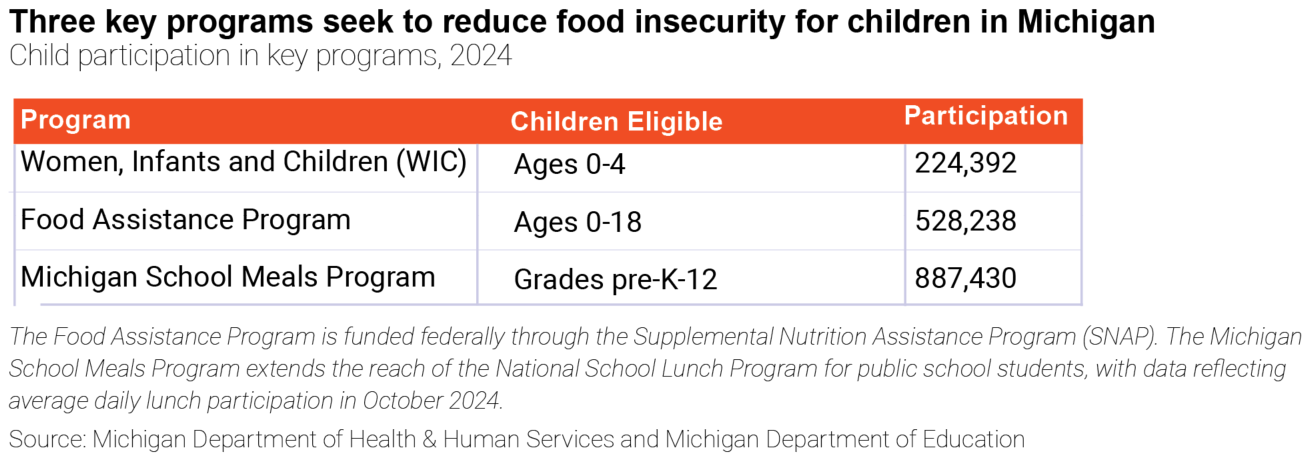
Food insecurity among children in Michigan has risen 26% compared to pre-pandemic levels after falling steadily for nearly a decade after the Great Recession. Childhood hunger can contribute to increased health problems, developmental disruptions and trouble focusing in school. Food insecurity is a systemic issue, not a personal failure. Labor force factors like unemployment or low wages as well as cost of living factors like expensive housing put households, especially those with children, at risk of food insecurity.
Numerous nutrition programs – like the Supplemental Nutrition Assistance Program (SNAP), Women, Infants and Children (WIC) and the National School Lunch program – are important tools for mitigating the harms of food insecurity. Michigan is one of just 10 states that has adopted Healthy School Meals for All in recent state budgets to ensure all public school students have access to a nutritious breakfast and lunch.
Children with access to SNAP are less likely to utilize emergency room services, have longer life expectancy, are less likely to repeat a grade and have increased food security into adulthood. Their families also benefit through reduced financial hardship, allowing them to pay for other nonfood essentials like housing and utilities.4
Food insecurity refers both to the lack of access to food generally and to food of high nutritional quality, the latter of which contributes to unhealthy diets and obesity. Obesity is influenced not just by nutrition but also social and environmental factors as well as genetics and other underlying health factors. One in 3 children in Michigan is overweight or obese, putting them at increased risk for health conditions like heart disease, Type 2 diabetes, asthma, joint problems, anxiety and depression.
Communities free from gun violence
Firearms are the leading cause of death of children and teens in Michigan. In 2023, firearms contributed to the deaths of 129 children and teens, a number that has risen by 34% since 2018. The easy availability of firearms exacerbates the challenges that already exist, contributing to a public health epidemic for young people experiencing poverty and mental illness.
Since shootings at Oxford High School and Michigan State University took the lives of seven students, state lawmakers passed 18 bills over the 2023-2024 legislative session addressing gun violence in an effort to make our schools and communities safer. Some of these include:
Extreme Risk Protection Law: From February to December 2024, courts issued 287 orders restraining an individual from possessing a firearm if they are at risk of harming themselves or others.5
Child Access Prevention Law: Michigan’s safe storage law requires firearm owners to safely store their firearms to prevent unintended access by children. In 2024 at least 24 unintentional shootings in Michigan were attributed to children, some as young as 2 years old.6
Background Check Law: Michigan joined 21 other states and Washington, D.C. in closing a loophole that allows individuals to purchase firearms without undergoing a background check, a policy change associated with lower rates of homicide, suicide and gun trafficking.7
Families kept together
Children do best when they grow up in safe, stable and secure families, but 8,552 children were removed from their homes due to substantiated maltreatment in 2024. Young children remain at the greatest risk of maltreatment; of 23,433 confirmed victims in 2022, 69% were ages birth to 10. Maltreatment in young children is especially harmful due to the increased risk of developmental challenges throughout life, but researchers have shown decreased instances of substantiated abuse and neglect in states with evidence-based economic and family planning support policies.8
Building on research showing children fare better when they are able to remain with family caregivers, the national Family First Prevention Services Act (Family First) that was passed in 2018 has sought to promote prevention services for children at risk of out-of-home placement as well as prioritize family foster care over congregate care settings.9 The share of children in foster care living in congregate care was already falling even before Family First took effect, but the improvements may continue as the state has more flexibility in funding to prioritize prevention and family preservation programs.
Limiting justice involvement
Although the U.S. still leads advanced economies in the rate at which we lock up young people, youth incarceration and confinement rates are rapidly declining. In Michigan, the number of young people confined in juvenile detention facilities dropped by nearly 80% from 2001 to 2021. The majority of young people in detention are charged with nonviolent crimes, including those who are charged with status offenses – such as running away, truancy or curfew violations – which are crimes only because the individuals charged are not adults. In Michigan, 1 in 5 young people in the juvenile justice system has been charged with a status offense.10
Michigan sees significant racial and ethnic disparities in the juvenile justice system. Black youth are five times as likely and American Indian youth are three times as likely to be incarcerated as their white peers as a result of racial bias in policing and harsher sentencing. Providing diversion opportunities like those supported by the bipartisan Justice for Kids and Communities package passed in 2023 may help to further reduce disparities in detention and overall justice involvement, which is associated with lower academic achievement, worsened health outcomes and future justice involvement.
End Notes
1 Corwin Rhyan, George Miller, Elin Betanzo and Mona Hanna-Attisha. “Removing Michigan’s Lead Water Service Lines: Economic Savings, Health Benefits, And Improved Health Equity.” Health Affairs 42, no. 8 (August 2023): 1162–72. https://doi.org/10.1377/hlthaff.2022.01594.
2 “Table 4-1 Percentage of Persons With Current Asthma by Age, United States: National Health Interview Survey, 2021.” Centers for Disease Control and Prevention (CDC). Accessed May 16, 2025. https://www.cdc.gov/asthma/nhis/2021/table4-1.htm.
3 ScienceDaily. “US Black and Hispanic Minorities Bear Disproportionate Burden from Air Pollution,” March 11, 2019. https://www.sciencedaily.com/releases/2019/03/190311152735.htm.
4 H. Luke Shaefer and Italo A. Gutierrez. “The Supplemental Nutrition Assistance Program and Material Hardships Among Low-Income Households with Children.” Social Service Review, December 1, 2013. https://www.rand.org/pubs/external_publications/EP51681.html.
5 “Extreme Risk Protection Order Act (2023 PA 38) 2024 Annual Report.” State Court Administrative Office, February 2025. https://www.courts.michigan.gov/49146f/siteassets/reports/erpo-2024-annual-report.pdf.
6 “#NotAnAccident Index.” Everytown for Gun Safety, March 16, 2025. https://everytownresearch.org/maps/notanaccident/.
7 “Firearm Background Checks.” Institute for Firearm Injury Prevention, September 2024. https://firearminjury.umich.edu/wp-content/uploads/2024/11/v6_Background-Check-One-Pager-1.pdf.
8 Gabriel Piña, Kristin Moore, Brittany Mihalec-Adkins, Kristen Darling, Fadumo Abdi and Alyssa Liehr. “State Policy Levers for Reducing Early Childhood Maltreatment: The Importance of Family Planning and Economic Support Policies.” Child Maltreatment, September 27, 2024, 10775595241267236. https://doi.org/10.1177/10775595241267236.
9 Rachel Rosenberg. “Children’s Rate of Entry Into Foster Care Has Declined Over Time.” Child Trends, May 27, 2025. https://www.childtrends.org/publications/childrens-rate-entry-foster-care-declined.
10 “Michigan Task Force on Juvenile Justice Reform: Report and Recommendations,” July 22, 2022. https://michigancommitteeonjuvenilejustice.com/wp-content/uploads/Michigan-Taskforce-on-Juvenile-Justice-Reform-Final-Report.pdf.

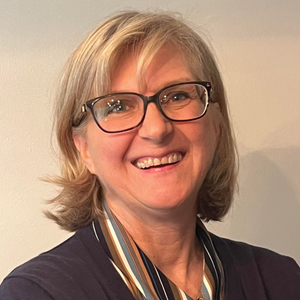 Betsy Zobl-Tar
  Jay Cutler joined the League in March 2026 as the Kids Count Senior Data Analyst, where he collects, analyzes, and prepares data for Kids Count in Michigan.
 Danielle Taylor-Basemore joined the League as the Development Data and Stewardship Coordinator in June 2025. She brings with her five years of nonprofit experience with a special focus on community engagement, data visualization and strategic programming. Prior to joining the League, Danielle served as the Business District, Safety, and Digital Manager at Jefferson East, Inc.
 Scott Preston is a Senior Policy Analyst with the Michigan League for Public Policy, where he leads the organization’s immigration and criminal justice reform portfolios. In the three years prior to joining the League, Scott facilitated the Southeast Michigan Refugee Collaborative and managed a small business economic development program at Global Detroit. His work included launching Michigan’s first Refugee Film Festival and building on a trusted connector model that linked marginalized communities with crucial resources. Scott’s work at the League is informed by his background in journalism and research. He spent four years covering the Syrian refugee crisis in the Middle East for publications such as The Economist, and later worked with unaccompanied refugee minors through Samaritas. Scott holds a master’s degree in international migration and public policy from the London School of Economics and Political Science.
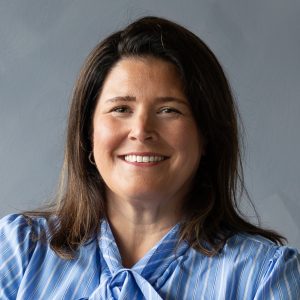 Kate Powers joined the League as the Chief Development Officer in February 2025. Prior to joining the League, Kate held leadership positions at many Michigan nonprofit organizations, most recently serving as the COO and Chief Development Officer of Ele’s Place. Kate has spent the bulk of her career in fundraising, with a short stint in the state Legislature as a legislative aide to members in both chambers. Kate is a graduate of Michigan State University’s James Madison College with a Bachelor of Arts in Social Relations and has a certificate in fundraising management from the Lilly Family School of Philanthropy at Indiana University. Additionally, Kate served on the East Lansing Public Schools Board of Education and is a past President of the Junior League of Lansing. In her free time, she enjoys traveling with her husband and her son and saving outfit of the day and home decor ideas on Pinterest.
  Nicholas Hess joined the League as the Fiscal Policy Analyst in September of 2024. In this role, Nicholas focuses on tax policy, government revenue, and their impact on working families and racial equity, including the effects of the Earned Income Tax Credit (EITC) and Child Tax Credit (CTC). Nicholas values the role that judicious fiscal policy can play in the improvement of people’s lives and the economy, alleviating inequities along the way.
 Audrey Matusz joined the League as the Visual Communications Specialist in September 2024. She supports the team with implementing social media strategies and brainstorming creative ways to talk about public policy. She brings with her nearly a decade of experience in producing digital products for evidence-based social justice initiatives.
  Jacob Kaplan
  Donald Stuckey
  Alexandra Stamm
 Amari Fuller
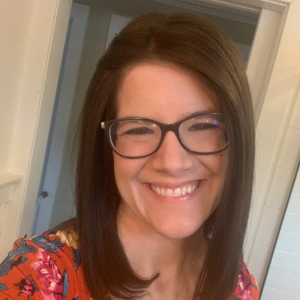 Mikell Frey is a communications professional with a passion for using the art of storytelling to positively impact lives. She strongly believes that positive social change can be inspired by the sharing of data-driven information coupled with the unique perspectives of people from all walks of life across Michigan, especially those who have faced extraordinary barriers.



 Yona Isaacs (she/hers) is an Early Childhood Data Analyst for the Kids Count project. After earning her Bachelor of Science in Biopsychology, Cognition, and Neuroscience at the University of Michigan, she began her career as a research coordinator in pediatric psychiatry using data to understand the impacts of brain activity and genetics on children’s behavior and mental health symptoms. This work prompted an interest in exploring social determinants of health and the role of policy in promoting equitable opportunities for all children, families, and communities. She returned to the University of Michigan to complete her Masters in Social Work focused on Social Policy and Evaluation, during which she interned with the ACLU of Michigan’s policy and legislative team and assisted local nonprofit organizations in creating data and evaluation metrics. She currently serves as a coordinator for the Michigan Center for Youth Justice on a project aiming to increase placement options and enhance cultural competency within the juvenile justice system for LGBTQIA+ youth. Yona is eager to put her data skills to work at the League in support of data-driven policies that advocate for equitable access to healthcare, education, economic security, and opportunity for 0-5 year old children. In her free time, she enjoys tackling DIY house projects and trying new outdoor activities with her dog.
 Rachel Richards rejoined the League in December 2020 as the Fiscal Policy Director working on state budget and tax policies. Prior to returning to the League, she served as the Director of Legislative Affairs for the Michigan Department of Treasury, the tax policy analyst and Legislative Director for the Michigan League for Public Policy, and a policy analyst and the Appropriations Coordinator for the Democratic Caucus of the Michigan House of Representatives. She brings with her over a decade of experience in policies focused on economic opportunity, including workforce issues, tax, and state budget.
 Simon Marshall-Shah joined the Michigan League for Public Policy as a State Policy Fellow in August 2019. His work focuses on state policy as it relates to the budget, immigration, health care and other League policy priorities. Before joining the League, he worked in Washington, D.C. at the Association for Community Affiliated Plans (ACAP), providing federal policy and advocacy support to nonprofit, Medicaid health plans (Safety Net Health Plans) related to the ACA Marketplaces as well as Quality & Operations.

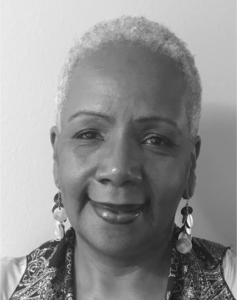 Renell Weathers, Michigan League for Public Policy (MLPP) Community Engagement Consultant. As community engagement consultant, Renell works with organizations throughout the state in connecting the impact of budget and tax policies to their communities. She is motivated by the belief that all children and adults deserve the opportunity to achieve their dreams regardless of race, ethnicity, religion or economic class.
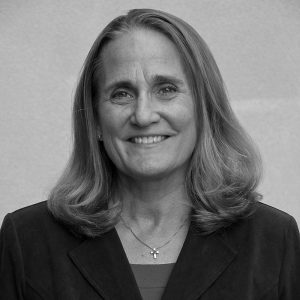


 Emily Jorgensen joined the Michigan League for Public Policy in July 2019. She deeply cares about the well-being of individuals and families and has a great love for Michigan. She is grateful that her position at the League enables her to combine these passions and work to help promote policies that will lead to better opportunities and security for all Michiganders.
 Megan Farnsworth joined the League’s staff in December 2022 as Executive Assistant. Megan is driven by work that is personally fulfilling, and feels honored to help support the work of an organization that pushes for more robust programming and opportunities for the residents of our state. She’s excited and motivated to gain overarching knowledge of the policies and agendas that the League supports.