

Click here for a PDF version of this report
The public health and economic crises brought on by a worldwide pandemic have made it abundantly clear that our early childhood workforce—including those in child care, home visiting and early intervention—are underpaid and undervalued. The essential work done by these individuals ensures that parents can work while their infants and toddlers have access to the high-quality care and education they need to take advantage of the unique window of brain growth that occurs in the first few years of life.
While many child care businesses remained open to help parents in essential jobs, and home visitors and early interventionists struggled to find ways to serve families remotely and safely, it became increasingly difficult to continue to provide high-quality services. This was in large part because the workforce caring for the state’s youngest children ages 0-2 aren’t compensated at a level that makes it possible to recruit and retain qualified staff.
The window of opportunity for rapid learning, including the development of brain synapses that form the very architecture of the brain, occurs during the first months and years of life. Despite this, few public resources are invested in the care and education of infants, toddlers and their families, and the early childhood workforce has been poorly compensated in jobs, with little room for advancement. To move Michigan forward, the state must confront the deep and chronic workforce issues in its early childhood system.
Think Babies Michigan is a collaborative of more than 1,800 members—leaders, experts, families, organizations and providers—working together to improve the lives of babies prenatally through age three. A top priority for Think Babies Michigan is a cross-sector workforce strategy that ensures that Michiganders who work with the state’s youngest children are adequately prepared for that challenging work and fairly compensated.

There are three primary sectors of the state’s early childhood workforce, including child care, home visiting and Early On® Michigan early intervention.
Child Care
- Michigan’s child care workforce of over 28,000 is available to provide care to both young and school-age children, including 333,798 infants and toddlers.1 Michigan had a child care workforce of 28,360 in 2019, including child care and preschool teachers, and administrators.2 Michigan’s early educators work in a variety of settings, including the state-funded preschool program—the Great Start Readiness Program—federally funded Head Start programs, community-based child care centers and homes, and placements with family, friends and neighbors. Different settings have different educational/training requirements, and wages vary as well.
- Low wages are endemic. The median wage for child care workers in the state was $11.13 in 2019—placing them among the lowest wage earners in Michigan. Nearly 1 of every 5 early educators lives in poverty, and many are eligible for some form of public assistance.3 Low wages have resulted in staffing turnover rates as high as 25-30%, affecting the quality of care for infants and toddlers.4
- The younger the child, the lower the pay for early educators. Michigan child care teachers with bachelor’s degrees are being paid 22% less than their colleagues in the K-8 system, with nearly 1 in 5 having incomes below the poverty line.5
- Low wages have led to staffing shortages. In a survey conducted between June 17 and July 5, 2021, 87% of child care centers indicated that they were experiencing staffing shortages that forced them to serve fewer children (49%), have a longer waitlist (38%), not open classrooms (25%), or reduce their operating hours (28%). Eight out of 10 centers identified wages as the main recruitment challenge.6
- Training requirements for early educators also vary by the age of children in the programs. Despite the indisputable evidence that the greatest learning growth occurs in the first few years of life, teachers who work with infants and toddlers have fewer education requirements. Teachers who work with preschool-aged children are more likely to have a bachelors’ degree (79%) compared to those who work with infants/toddlers (53%).7 In a 2018 survey, 73% of family child care providers and 76% of child care teachers expressed an interest in higher education, with the biggest barrier being the cost. Family child care providers faced the biggest barriers, including the need to take time off and the lack of substitute coverage.8
Home Visiting
- Michigan has a diverse continuum of home visiting programs. Michigan provides home visiting services through eight evidence-based models, including nurse visits after a child’s birth and support for parent/child interactions by a family educator. These professionals collectively serve nearly 30,000 families, with the range of services available varying from community to community. Of the children served, 59% were under the age of one, with an additional 33% between one and two years of age.9
One-third of the programs surveyed had waiting lists for services, and of those, four in 10 had 10 or more families waiting.10 Home visiting program staff indicate that the most significant barriers they face in serving families in their community include: (1) limited funding to hire enough staff; (2) problems recruiting staff from different linguistic, racial and cultural backgrounds that match the community served; and (3) staff turnover, with more than one in five programs reporting that they had one or more full-time home visitor positions vacant, and one in 10 had a part-time position open.11
- More information is needed on the staff that deliver home visiting services and the professional development systems that support them.12 A 2020 national study found that home visiting staff have strong qualifications, with 73% having a bachelor’s or higher degree. On average, home visitors earn less than workers in similar occupations, but earnings vary significantly by degree and field of study, with median weekly earnings of approximately $713 per week—similar to preschool teachers, but higher than child care workers.13
- Home visitors also have difficulties securing the training they want, and lack a clear career path. Home visiting staff are satisfied with their work with families, but dissatisfied with their job earnings and opportunities for promotion. Lacking are enough opportunities for advancement needed to help retain qualified staff, as well as such basic supports as pay for preparation time and reflective supervision.14
- Efforts to attract a more diverse workforce are ongoing. Approximately one-third of Michigan’s home visiting programs report that their staff reflects the diversity of the community they serve, and another third indicated that they were making progress toward that goal.15
Early On Michigan (Early Intervention)
- Early On Michigan provides early intervention services to families of infants and toddlers. Early On emphasizes early identification of children ages 0-3 with developmental delays or disabilities, and services that can enhance their development and take advantage of the significant brain growth that occurs during a child’s first three years of life. In 2019-20, 21,739 children statewide received Early On services.16 Depending on the individual child, families need personnel from diverse disciplines with education, experience, and skills to support them with their children who often have complex physical, social-emotional, and/or communication needs.
- There are significant shortages of qualified early intervention personnel available to work with families. Michigan is experiencing extreme shortages in school psychologists, speech-language pathologists, early childhood teachers and other personnel necessary to support families statewide. Early On needs a funded strategy to support the recruitment and preparation of early intervention personnel in Michigan.
- Due to Michigan’s dual eligibility (a sub-population of children in Early On is also eligible for Michigan Mandatory Special Education), there are significant disparities in the workforce serving children through Early On. With two systems serving birth to three early intervention, there are two sets of qualifications for personnel, with lesser qualifications for the broader Early On system. Shifting Early On to a unified and streamlined system, with one set of updated personnel standards, will help mitigate these workforce differences.
- Michigan’s recent increase in state funding for Early On is important, but not sufficient, making it difficult to provide the range of services necessary to meet the needs of eligible infants and toddlers and their families. Across states, the top three barriers to early intervention are: (1) lack of providers to meet a range of service needs (61%); (2) lack of staffing at the lead agency level (53%); and (3) insufficient funding for services (51%).17

- Too little is known about the early childhood workforce. One of the primary signs of the low value placed on the early childhood workforce is the failure to collect and make public sufficient data on compensation, training, and working conditions across the early childhood sectors of child care, home visiting, and Early On. Without comprehensive data, it is more difficult to craft a cross-sector workforce strategy and assess its implementation over time.
- Public investments in the people who work with infants and toddlers and their families fall far short. Despite the proven impact of early childhood programs on children’s learning and development, the high return on investment from intervening early and the long-term benefits or the state’s economy, Michigan does not adequately support a strong cross-sector early childhood workforce.
- Many early childhood workers struggle to obtain additional education and training, and lack a pathway for career advancement. Too few resources are available to ensure that early childhood workers can further their education and training, including needed credentials. The reality is that for many in the workforce, higher levels of education or training do not translate into higher wages or promotions.
- Gender and racial inequities have suppressed wages and ignored the high-level skills needed to work with very young children and their families. The early childhood workforce is disproportionately women—many of color—who are some of the lowest wage workers in the state.

- Workforce data: The state must begin to comprehensively collect and make public data on the early childhood workforce across sectors, including workers in both public and private settings. Included should be data—disaggregated by race, ethnicity, geography, and type of setting—on wages, benefits, professional development opportunities, and qualifications as they relate to salary. While the state has made progress in documenting some early childhood demographic and child outcome data through MI School Data, comprehensive workforce data across the early childhood sectors is needed, with the data updated regularly and made public.
- Compensation: Michigan must develop a strategy to improve compensation for the early childhood workforce, including phasing in wage increases that are based on a salary schedule that reflects the true cost of care—based on regularly updated cost-of-care analyses. For example, currently, child care teachers in Michigan do not have salary parity with teachers in pre-K through grade three settings, and the rates that child care businesses can charge depend largely on local income and property values—rather than the cost of providing services, making it difficult to raise wages. This market-based approach has suppressed wages and the quality of care in many lower-income communities in both urban and rural areas of the state. In addition, wages for early interventionists and home visitors often fall below the true cost of delivering services.
- Opportunities for professional development, education, training and credentialing to support existing child care workers and a career pathway: As part of the wage/salary schedule developed, Michigan should create and implement a career pipeline for the early childhood workforce that increases opportunities for education, training, and credentialing, while connecting additional qualifications to increased pay and access to needed benefits. As part of that pipeline, the following should be addressed:
- Recruitment strategies through high schools, vocational programs, colleges and universities that include coursework and credentialing across all professional roles in the prenatal-to-three workforce with a focus on equity and diversity. Additionally, the state should launch public education and outreach campaigns demonstrating the value of the early childhood workforce and the urgent need for more equitable compensation.
- Retention strategies that include compensation, professional recognition, manageable caseloads across programs, and support for leadership development for experienced members of the workforce.
- Growth opportunities, including professional development linked to promotion and increased compensation, and clear career pathways through a lens of equity, diversity and inclusion.
- Implement a plan to require and adequately resource implicit bias training for all early childhood employees and contractors at all levels as outlined by the Think Babies Michigan Implicit Bias Training Workgroup.

- The State of Michigan’s Babies, State of Babies Yearbook 2021, Zero to Three, Think Babies (2021)
- Early Childhood Workforce Index 2020 – Michigan, Center for the Study of Child Care Employment, University of California, Berkeley.
- Early Childhood Workforce Index 2020 – Michigan, Center for the Study of Child Care Employment, University of California, Berkeley.
- Caven, M., Khanani, N., Zhang, X., and Parker, C. Center- and Program-Level Factors Associated with Turnover in the Early Childhood Education Workforce (March 2021).
- Early Childhood Workforce Index 2020 – Michigan, Center for the Study of Child Care Employment, University of California, Berkeley.
- Progress and Peril: Child Care at a Crossroads, State Survey Data, National Association for the Education of Young Children (July 2021).
- Early Childhood Workforce Index 2020 – Michigan, Center for the Study of Child Care Employment, University of California, Berkeley.
- Roberts, A., Le, V., Schaack, D., Franko, M., and Morgan, K. Michigan Early Care and Education Workforce Study, Butler Institute for Families, Graduate School of Social Work, University of Denver.
- Families Served Through Evidence-Based Home Visiting in 2019, National Home Visiting Research Center State Profiles – Michigan, 2020 Home Visiting Yearbook, James Bell Associates and the Urban Institute.
- Michigan Home Visiting Needs Assessment 2020, Michigan Department of Health and Human Services Early Childhood Home Visiting Unit and the Michigan Public health Institute Center for Healthy Communities.
- Michigan Home Visiting Needs Assessment 2020, Michigan Department of Health and Human Services Early Childhood Home Visiting Unit and the Michigan Public health Institute Center for Healthy Communities.
- Sandstrom, H, et al., Home Visiting Career Trajectories, OPRE Report #2020-11, Urban Institute (February 2020).
- Sandstrom, H, et al., Home Visiting Career Trajectories, OPRE Report #2020-11, Urban Institute (February 2020).
- Sandstrom, H, et al., Home Visiting Career Trajectories, OPRE Report #2020-11 (February 2020).
- Michigan Home Visiting Needs Assessment 2020, Michigan Department of Health and Human Services Early Childhood Home Visiting Unit and the Michigan Public health Institute Center for Healthy Communities.
- Child Count Trend Statewide: 2019-20/Early On/All Children, MI School Data, the Center for Educational Performance and Information.
- Greer, M., 2020 Tipping Points Survey, IDEA Infant and Toddler Coordinators Association (2020).


 Betsy Zobl-Tar
  Jay Cutler joined the League in March 2026 as the Kids Count Senior Data Analyst, where he collects, analyzes, and prepares data for Kids Count in Michigan.
 Danielle Taylor-Basemore joined the League as the Development Data and Stewardship Coordinator in June 2025. She brings with her five years of nonprofit experience with a special focus on community engagement, data visualization and strategic programming. Prior to joining the League, Danielle served as the Business District, Safety, and Digital Manager at Jefferson East, Inc.
 Scott Preston is a Senior Policy Analyst with the Michigan League for Public Policy, where he leads the organization’s immigration and criminal justice reform portfolios. In the three years prior to joining the League, Scott facilitated the Southeast Michigan Refugee Collaborative and managed a small business economic development program at Global Detroit. His work included launching Michigan’s first Refugee Film Festival and building on a trusted connector model that linked marginalized communities with crucial resources. Scott’s work at the League is informed by his background in journalism and research. He spent four years covering the Syrian refugee crisis in the Middle East for publications such as The Economist, and later worked with unaccompanied refugee minors through Samaritas. Scott holds a master’s degree in international migration and public policy from the London School of Economics and Political Science.
 Kate Powers joined the League as the Chief Development Officer in February 2025. Prior to joining the League, Kate held leadership positions at many Michigan nonprofit organizations, most recently serving as the COO and Chief Development Officer of Ele’s Place. Kate has spent the bulk of her career in fundraising, with a short stint in the state Legislature as a legislative aide to members in both chambers. Kate is a graduate of Michigan State University’s James Madison College with a Bachelor of Arts in Social Relations and has a certificate in fundraising management from the Lilly Family School of Philanthropy at Indiana University. Additionally, Kate served on the East Lansing Public Schools Board of Education and is a past President of the Junior League of Lansing. In her free time, she enjoys traveling with her husband and her son and saving outfit of the day and home decor ideas on Pinterest.
  Nicholas Hess joined the League as the Fiscal Policy Analyst in September of 2024. In this role, Nicholas focuses on tax policy, government revenue, and their impact on working families and racial equity, including the effects of the Earned Income Tax Credit (EITC) and Child Tax Credit (CTC). Nicholas values the role that judicious fiscal policy can play in the improvement of people’s lives and the economy, alleviating inequities along the way.
 Audrey Matusz joined the League as the Visual Communications Specialist in September 2024. She supports the team with implementing social media strategies and brainstorming creative ways to talk about public policy. She brings with her nearly a decade of experience in producing digital products for evidence-based social justice initiatives.
  Jacob Kaplan
  Donald Stuckey
  Alexandra Stamm
 Amari Fuller
 Mikell Frey is a communications professional with a passion for using the art of storytelling to positively impact lives. She strongly believes that positive social change can be inspired by the sharing of data-driven information coupled with the unique perspectives of people from all walks of life across Michigan, especially those who have faced extraordinary barriers.



 Yona Isaacs (she/hers) is an Early Childhood Data Analyst for the Kids Count project. After earning her Bachelor of Science in Biopsychology, Cognition, and Neuroscience at the University of Michigan, she began her career as a research coordinator in pediatric psychiatry using data to understand the impacts of brain activity and genetics on children’s behavior and mental health symptoms. This work prompted an interest in exploring social determinants of health and the role of policy in promoting equitable opportunities for all children, families, and communities. She returned to the University of Michigan to complete her Masters in Social Work focused on Social Policy and Evaluation, during which she interned with the ACLU of Michigan’s policy and legislative team and assisted local nonprofit organizations in creating data and evaluation metrics. She currently serves as a coordinator for the Michigan Center for Youth Justice on a project aiming to increase placement options and enhance cultural competency within the juvenile justice system for LGBTQIA+ youth. Yona is eager to put her data skills to work at the League in support of data-driven policies that advocate for equitable access to healthcare, education, economic security, and opportunity for 0-5 year old children. In her free time, she enjoys tackling DIY house projects and trying new outdoor activities with her dog.
 Rachel Richards rejoined the League in December 2020 as the Fiscal Policy Director working on state budget and tax policies. Prior to returning to the League, she served as the Director of Legislative Affairs for the Michigan Department of Treasury, the tax policy analyst and Legislative Director for the Michigan League for Public Policy, and a policy analyst and the Appropriations Coordinator for the Democratic Caucus of the Michigan House of Representatives. She brings with her over a decade of experience in policies focused on economic opportunity, including workforce issues, tax, and state budget.
 Simon Marshall-Shah joined the Michigan League for Public Policy as a State Policy Fellow in August 2019. His work focuses on state policy as it relates to the budget, immigration, health care and other League policy priorities. Before joining the League, he worked in Washington, D.C. at the Association for Community Affiliated Plans (ACAP), providing federal policy and advocacy support to nonprofit, Medicaid health plans (Safety Net Health Plans) related to the ACA Marketplaces as well as Quality & Operations.


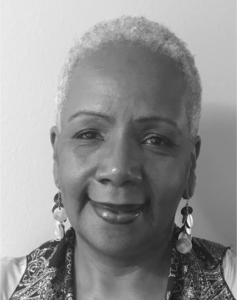 Renell Weathers, Michigan League for Public Policy (MLPP) Community Engagement Consultant. As community engagement consultant, Renell works with organizations throughout the state in connecting the impact of budget and tax policies to their communities. She is motivated by the belief that all children and adults deserve the opportunity to achieve their dreams regardless of race, ethnicity, religion or economic class.
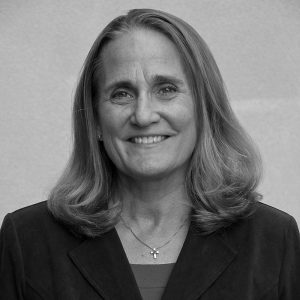


 Emily Jorgensen joined the Michigan League for Public Policy in July 2019. She deeply cares about the well-being of individuals and families and has a great love for Michigan. She is grateful that her position at the League enables her to combine these passions and work to help promote policies that will lead to better opportunities and security for all Michiganders.
 Megan Farnsworth joined the League’s staff in December 2022 as Executive Assistant. Megan is driven by work that is personally fulfilling, and feels honored to help support the work of an organization that pushes for more robust programming and opportunities for the residents of our state. She’s excited and motivated to gain overarching knowledge of the policies and agendas that the League supports.