Election 2026:
Ask Your Candidates
As we approach election season, it’s important to engage with candidates and find out what they think about the issues that matter to you. Our analysts put together this set of questions that will help you discover your candidates’ positions. Click below to easily access questions and policy information that you and your community are engaged in.
Mitigating Federal Harm
Q:
Would you support opportunities to reduce the harm done by federal Medicaid and SNAP cuts, such as maintaining Michigan’s robust Medicaid service coverage, using tools and flexibility to make it easier for Michiganders to comply with new federal requirements, and allocating state resources to fill the gap and support partners providing navigation services? Would you also oppose measures that would cut benefits for Michiganders relying on Medicaid and SNAP and that would make it harder for them to receive their benefits?
CONTEXT:
After the passage of H.R. 1, otherwise known as the One Big Beautiful Bill Act or OBBBA, states will have to make difficult decisions due to the reductions in federal Medicaid and the Supplemental Nutrition Assistance Program (SNAP) support. Additionally, states will be forced to implement incredibly harsh requirements on some beneficiaries, including strict work reporting requirements. Michiganders who are already struggling to make ends meet will further fall through the cracks, with hundreds of thousands at risk of losing their health care coverage and food assistance. The state also risks health care provider reductions and negative economic impacts on grocery stores and food supply. States have options to mitigate the harm being done through the federal legislation.
Q:
Would you resist significant property tax cuts that would affect a local government’s ability to provide vital services? And would you support expanding equitable opportunities for local governments to raise their own revenues?
CONTEXT:
Property taxes are the major source of revenue for Michigan communities, raising over $20 billion in 2024. These pay for our schools, emergency services, trash pickup, libraries and public parks. Recently, lawmakers from both sides of the aisle have proposed cuts to property taxes. Other proposals would eliminate property taxes altogether, which would be devastating for Michigan communities, who struggle to provide basic services amidst a long-running decline in revenue sharing.
Q:
Would you actively support a constitutional amendment to change Michigan’s income tax structure from a flat income tax rate to a graduated one?
CONTEXT:
The richest 1% of Michigan taxpayers pay a lower overall effective state and local tax rate, as a share of their income, than all other Michigan families. We can make Michigan’s tax structure more fair and equitable by adopting a graduated income tax which, like the federal system, would increase the tax rate as income rises. Changing our income tax system will take a constitutional amendment.
Q:
Would you support extending the state’s sales tax to services with a sales tax credit for filers with low wages?
CONTEXT:
Sales taxes are typically considered to be a highly regressive type of tax, costing individuals earning low wages a larger proportion of their income compared to wealthier individuals. Modernizing the sales tax to apply to services can serve to both increase revenue and make the sales tax less regressive. Even still, the sales tax will remain regressive, which is the reason some states offer sales tax credits to provide relief for individuals who earn the least.
Q:
Would you support exploring new revenue sources or expanding existing ones (for example, eliminating outdated and unnecessary tax exemptions or credits) to fund vital state services?
CONTEXT:
While Michigan’s actual tax revenues have grown, when adjusted for inflation, General Fund revenues are well below levels set in 2000, and the School Aid Fund is only slightly above levels set in 2000. At the same time, the costs of providing Michigan residents the most basic services have grown, increasing pressure on our budget. This has meant that funding for one program comes at the expense of others, furthering Michigan’s disinvestment in its communities, education and other services on which its residents and businesses rely.
Q:
Would you oppose efforts to cut or roll back Michigan’s income tax rate?
CONTEXT:
Michigan’s personal income tax contributes over $13 billion to our state coffers, representing the largest single source of state tax revenue. Some lawmakers have proposed steep cuts to our state income tax rate, putting at risk billions of dollars that are currently used to invest in our schools, infrastructure, healthcare and public safety. On top of limiting our ability to invest in the things we all rely on, income tax rate cuts disproportionately benefit high-income earners while providing little to families with low incomes.
Q:
Would you oppose new tax credits and business incentives for wealthy corporations?
CONTEXT:
Despite benefiting from state goods and services, like safe roads and good public schools, wealthy corporations in Michigan are not paying their fair share of taxes. The state is spending more each year on tax credits and business incentives even as corporate taxes continue to decline as a share of revenue, leaving little to invest in schools, roads or communities. Large tax incentives for wealthy businesses increase pressure on the state, which must make up the revenue through taxes on workers and families.
Q:
Would you support repealing the triggered income tax cuts and instead look at tax policies that encourage economic growth and help families with low incomes make ends meet, such as a graduated income tax, enhanced EITC or creation of a state Child Tax Credit?
CONTEXT:
A triggered income tax rate reduction — which would reduce income tax rates if state General Funds grow faster than the rate of inflation — was implemented as part of the 2015 road funding plan. In fact, the trigger was met in 2023, and the income tax rate reduced from 4.25% to 4.05% for 2023 only, reducing state income tax revenues by approximately $700 million. Triggered rate reductions may ultimately hurt Michigan’s economy, budget and residents because we do not know whether they will be affordable once triggered — and they can trigger during economic downturns or other times when revenues are badly needed. Additionally, they primarily benefit the top 1% of taxpayers, and enable policymakers to claim credit for cutting taxes while avoiding accountability for the consequences.
Support for Michiganders Struggling to Make Ends Meet
Q:
Would you support the appropriation of state funds for rental assistance and supportive services for people facing severe housing challenges, rather than increased criminalization of homelessness?
CONTEXT:
Since the Great Recession ended, housing prices have risen much more quickly than incomes. As a result, many families — especially those who rent — have to forego other necessities like healthcare and food, experience significant disruptions in school and work due to frequent moves, or become homeless.
During the COVID-19 pandemic, Michigan saw a historic drop in homelessness as the state used federal funds to provide emergency rental assistance and made other investments in increasing housing supply and affordability. But those federal funds have dried up and evictions and homelessness are on the rise again. Absent the resources to meet urgent housing needs, some communities are turning to outlawing many of the things unhoused people must do to survive – potentially subjecting them to fines they can’t pay and even incarceration.
Q:
Would you support a state law establishing a right to an attorney for renters facing eviction?
CONTEXT:
Nearly 200,000 eviction cases are filed in Michigan every year – 1 for every 6 renter households. While landlords almost always have attorneys to fight for their interests in housing court, tenants rarely do. Renters with low incomes typically don’t have the time, expertise, or other resources to effectively fight an unfair or illegal eviction on their own. When tenants have lawyers, they are less likely to receive an eviction judgment from the court.
Q:
Would you support a law to provide for the sealing or expungement of eviction records under certain conditions to strike a better balance between landlords’ right to know about prospective tenants and renters’ need for safe, stable housing?
CONTEXT:
Eviction filings are public records that landlords use to screen prospective tenants. The mere filing of an eviction case can lock families out of rental housing indefinitely, regardless of the circumstances or whether the case actually resulted in an eviction order. The majority of cases are dismissed or settled before an order is entered, and in some cases the court finds in favor of the tenant. Nonetheless, the existence of any history in housing court creates a stigma that may push families into unsafe homes or homelessness.
Q:
Would you support the use of state and available federal funds to increase payments and even support the use of additional funds to continue to improve the quality of child care?
CONTEXT:
High-quality child care can help children develop and be more ready for preschool and ultimately for school success, but for too many families, care is inaccessible or unaffordable. The number of families receiving child care assistance remains low in Michigan in part because of state-set eligibility rules and because payments to providers are low. Due to a historic influx of federal aid, the state was able to expand eligibility rules for child care assistance and increase reimbursement rates paid to providers. However, this funding expired in September 2023, worsening the situation for both families and child care providers.
Q:
Would you support tying the FIP standard of payment to an annually adjusted metric, such as the federal poverty guidelines, so the Legislature does not need to act every year to prevent the program from eroding?
CONTEXT:
The Family Independence Program (FIP) provides a lifeline to Michigan families in poverty. Poor policy decisions have resulted in the program eroding over time, with benefits remaining unchanged despite increases to the cost of living and fewer people being able to access the program. The 2025 state budget saw the first meaningful increase to the payment standard since the program’s inception. This will allow more families to access benefits while families currently enrolled will see a benefits increase. Despite recent gains, these benefits will begin to erode once again if they are not annually adjusted to any cost of living metric and will require legislative action every year to increase the standard of payment.
Q:
Some leaders in Michigan have proposed a state Child Tax Credit to refund families that are struggling to make ends meet. The credit would apply to each child under age 18 and would provide a bigger refund to families with children under age 6. Would you support a state Child Tax Credit like this in Michigan?
CONTEXT:
We saw a historic drop in child poverty during the pandemic thanks in large part to the federal expansion of the Child Tax Credit, which ensured families with little or no income were eligible. When the expanded credit expired at the end of 2021, many states took action to establish their own version of the credit, ranging from $100 per child in Oklahoma to $1,750 per child in Minnesota. Michigan currently has no state-level Child Tax Credit.
Addressing Education and Child Safety
Q:
Would you support adequate funding to support reading recovery efforts in areas with the most need?
CONTEXT:
In the 2025 school year, 37% of third-graders tested “not proficient” in reading, a key indicator of future academic success. There are significant disparities in outcomes by income, race, and ethnicity, with higher rates of children of color and children in families with low incomes scoring “not proficient.” Literacy has been the focus of legislation including the Third Grade Reading Law and the Dyslexia Law, both of which outline interventions and steps that schools must take to improve third-grade reading proficiency.
Q:
Would you support continuing to invest in a weighted school funding formula, in order to provide all kids with equitable access to the same education?
CONTEXT:
Numerous studies of school funding in Michigan have shown that the state is failing to provide the resources needed to guarantee a high-quality education for all students, and particularly for students in low-income schools, English-language learners and children with disabilities. The state has been moving towards a weighted funding system that provides an additional percentage of the per-pupil dollar amount for students who require more services to adequately educate, such as students who are English-language learners, economically disadvantaged or have disabilities. By targeting investments to these students who are most in need, schools can more appropriately staff and resource their classrooms. Weighted funding helps ensure that teachers have the support, materials, and specialist personnel necessary to meet each student’s individualized learning needs, which will ultimately close opportunity gaps and improve outcomes for the state’s most vulnerable learners.
Q:
Rx Kids currently operates in 35 different communities across Michigan, including the entire Upper Peninsula. Would you support implementing a statewide Rx Kids program?
CONTEXT:
Welcoming a new child into the world is a financially stressful endeavor. Research shows household income plummets and poverty spikes surrounding the birth of a child. In 2023, 19% of all children under the age of 5 fell under the federal poverty guidelines in Michigan.
Rx Kids is an unconditional, targeted, direct cash program right here in Michigan that seeks to reduce the financial stress of having a child and improve the well-being of children and families. The program gives one-time cash payments to all pregnant individuals and direct monthly payments during the first year of the child’s life. After one year in operation, 80% of Rx Kids participants say the program has helped them feel more secure in their finances, 59% report the program has made it easier to access healthcare and 72% say the program has helped improve their health and the health of their infant child.
Q:
Would you support additional state funds for proven programs for parents of very young children, including home visiting, parenting programs and Early On?
CONTEXT:
Michigan has been a leader in investments in preschool programs for 4-year-olds, but funding for families with infants and toddlers living in poverty or near poverty has not kept pace — despite scientific evidence that the first three years of life are when children’s brains are growing most rapidly, affecting their lifelong development, learning and achievement.
Q:
Would you support state investments to prevent child abuse and neglect, and support comprehensive strategies that have shown to reduce abuse and neglect, including an expansion of home visiting programs? Would you ensure youth transitioning out of foster care receive adequate support?
CONTEXT:
The rate of children confirmed as victims of abuse and neglect remains high: over 8,500 were placed in out-of-home care due to abuse and neglect in 2024. Children of color and young children are disproportionately affected, with Black children overrepresented in the foster care system in Michigan where they have longer lengths of stay. The trauma experienced can impact child development, health, and education outcomes, and youth transitioning out of foster care face additional challenges.
Jobs & Economy
Q:
Would you support further increasing the minimum wage to bring it more in line with a living wage?
CONTEXT:
Despite recent increases, minimum wage has not kept up with the cost of living. This has been true for many decades, with the Fight for $15 movement beginning in 2012. In 2027, Michigan will finally have a minimum wage of $15 per hour. However, $15 in 2012 would be worth over $21 in 2026. $15 per hour is no longer enough to live on in 2026. In fact, various estimates put a living wage in Michigan somewhere between $23 and $27 per hour.
Q:
Some leaders in Michigan have proposed creating a state paid family and medical leave policy to allow Michiganders up to 15 weeks of paid time off to care for a newborn, themselves, or a sick or disabled family member or friend. Would you support the creation of a similar policy?
CONTEXT:
In 2020, Michigan established 12 weeks of paid family leave for state employees. Since it was implemented, thousands of state workers have benefitted from this leave program. While state employees have access to these benefits, there is no statewide program that provides for paid family and medical leave to civilian workers. An estimated 63% of Michiganders are either ineligible or unable to afford the 12 weeks of unpaid leave under the Family and Medical Leave Act (FMLA). At the same time, 22.6% of adult Michiganders report they provide regular care for a friend or family member with health problems or disability. Nearly one-third of these individuals report providing more than 20 hours of caregiving per week. This means many Michiganders are making a choice between working, caregiving and their own mental and physical health. Thirteen states and the District of Columbia have already passed or enacted paid family and medical leave legislation and have seen a reduction in poverty among mothers of infants, reduced food insecurity and increased worker retention.
Healthcare
Q:
Would you support policies and state budget investments that aim to protect and fortify access to Medicaid?
CONTEXT:
When people lack access to health coverage, they face higher out-of-pocket costs, disruptions to care, and worse health outcomes. Across the life course, affordable and comprehensive health coverage is essential for accessing preventive services, treatment and medication.
Q:
Would you support the Michigan Momnibus or other similar legislation?
CONTEXT:
The Michigan “Momnibus” is a package of bills (Senate Bills 29–39) introduced in and passed by the Michigan Senate to improve equity, accountability and midwifery access in maternal healthcare. These bills are a bipartisan effort to strengthen perinatal care, antidiscrimination measures and patient protections.
Q:
Would you support policies that protect Michigan youth from accessing harmful tobacco and nicotine products? And would you consider legislation that would increase taxes on tobacco and vapor products in order to increase dedicated support to tobacco prevention and cessation programs?
CONTEXT:
Despite long-term declines in youth tobacco use, rates among Michigan youth remain too high and access remains too easy. Michigan is one of only nine states that does not require a license to sell tobacco or e-cigarettes, and one of only 16 states that does not tax vape products. Strengthening retailer accountability and shifting enforcement away from penalizing minors toward stopping illegal sales are critical steps to protecting kids.
Immigration
Q:
What policies and actions would you support to protect essential rights and freedoms? Would you support legislation creating safe spaces, like hospitals and places of worship, and prohibiting ICE agents from masking their identities? Do you support state and local cooperation with federal immigration enforcement?
CONTEXT:
The 2025 federal budget reconciliation package (“One Big Beautiful Bill Act”) provided unprecedented resources to federal immigration enforcement to go after what the administration has described as the “worst of the worst,” while 86% of detainees are considered “no threat level” according to ICE’s own system of categorization. Since then, the tactics of extremist immigration enforcement have eroded fundamental constitutional principles, including aggressive policing of peaceful protests, warrantless stops and home invasion, racial profiling and the killing of observers.
Q:
What policy solutions would you support to improve immigrant inclusion, retention and well-being in Michigan?
CONTEXT:
Over the past few decades, Michigan has struggled to increase its population: a 1% increase compared to 18% nationally, ranking 49th out of 50 states. Yet, international immigration has been the driver of any recent population growth in our state and is projected to contribute to hundreds of thousands more Michigan residents by 2050, per the Growing Michigan Together Council. Immigrants with all types of statuses contribute to their communities and the Michigan economy in the form of tax dollars, meeting labor demands and leveraging their spending power. However, the reach of immigrants’ contributions is limited by current exclusionary policies and limited investment in resources and programs.
Q:
Would you support restoring access to state IDs and driver’s licenses for all Michigan residents, regardless of immigration status?
CONTEXT:
Until 2008, all Michigan residents could obtain a driver’s license. Yet, current Michigan law requires all applicants for driver’s licenses and state identification to provide proof of “legal presence” that must be verified by the Department of State. Lack of access to driver’s licenses means that many immigrants who cannot prove legal status cannot insure or register their vehicles. In addition to providing access to amenities and opportunities beyond one’s immediate community, a driver’s license can provide security if one is stopped while driving to work, school or the grocery store, preventing arrest for driving without a license or even deportation. Access to driver’s licenses would provide social and economic support to immigrant communities and would make all Michigan roads safer because more drivers are tested and more vehicles are insured.
Criminal Justice
Q:
Do you support diversion programs, like the Mental Health Diversion Council, and improved mental health and substance abuse treatment programs within prison facilities to expand access for incarcerated people?
CONTEXT:
An estimated 20-25% of prisoners have been diagnosed with severe mental illness and many more with mental health problems. Nine of every 10 prisoners with severe mental illness also suffer from substance use disorders, and upwards of 65% of those with mental health symptoms do not receive treatment. Michigan has recognized the need for alternatives to incarceration for those suffering from behavioral health issues by implementing mental health courts and substance abuse programs for those serving time and on probation and parole.
Q:
Would you support legislation to eliminate the fee incarcerated individuals must pay for non-emergency healthcare visits?
CONTEXT:
The Michigan Department of Corrections charges incarcerated individuals a $5 copay for non-emergency healthcare visits — doctor visits, dental care, and optometry. $5 is an onerous fee for prisoners, who often make $1 a day. This limits preventative care, driving up healthcare costs.
Q:
Do you support pre-sentencing reform policies that would limit (with certain exceptions) the time that individuals are detained as they await trial, and would restrict cash bail to only those individuals who have been deemed by the court to be a safety threat or a flight risk?
CONTEXT:
In Michigan, courts often require people who have been arrested and are awaiting arraignment or sentencing to put up cash bail before releasing them from jail — ostensibly to ensure that they will show up for required court dates and will not endanger others or commit further crimes prior to their hearings. Unfortunately, too many of those arrested for nonviolent crimes and who pose no threat to society needlessly stay in jail. Of the people in Michigan in jail on any given day, half are awaiting trial, having not yet been convicted of a crime. While some of those are kept detained because they are ineligible for bail due to a safety or flight risk, many remain incarcerated simply because they do not have the means to put up cash bail — including individuals later found to be innocent of the crime for which they were arrested. This practice disproportionately punishes people of color and those with low incomes, while having no benefit to the communities in which they live.
Q:
Do you support expanding Clean Slate eligibility to information around arrests and charges for the expungement of criminal records?
CONTEXT:
Michigan’s Clean Slate law allows for automatic expungement of certain criminal convictions after a waiting period, sealing convictions records. However, Clean Slate has no mechanism for expunging charge and arrest records for those cases that never resulted in a conviction.


 Betsy Zobl-Tar
  Jay Cutler joined the League in March 2026 as the Kids Count Senior Data Analyst, where he collects, analyzes, and prepares data for Kids Count in Michigan.
 Danielle Taylor-Basemore joined the League as the Development Data and Stewardship Coordinator in June 2025. She brings with her five years of nonprofit experience with a special focus on community engagement, data visualization and strategic programming. Prior to joining the League, Danielle served as the Business District, Safety, and Digital Manager at Jefferson East, Inc.
 Scott Preston is a Senior Policy Analyst with the Michigan League for Public Policy, where he leads the organization’s immigration and criminal justice reform portfolios. In the three years prior to joining the League, Scott facilitated the Southeast Michigan Refugee Collaborative and managed a small business economic development program at Global Detroit. His work included launching Michigan’s first Refugee Film Festival and building on a trusted connector model that linked marginalized communities with crucial resources. Scott’s work at the League is informed by his background in journalism and research. He spent four years covering the Syrian refugee crisis in the Middle East for publications such as The Economist, and later worked with unaccompanied refugee minors through Samaritas. Scott holds a master’s degree in international migration and public policy from the London School of Economics and Political Science.
 Kate Powers joined the League as the Chief Development Officer in February 2025. Prior to joining the League, Kate held leadership positions at many Michigan nonprofit organizations, most recently serving as the COO and Chief Development Officer of Ele’s Place. Kate has spent the bulk of her career in fundraising, with a short stint in the state Legislature as a legislative aide to members in both chambers. Kate is a graduate of Michigan State University’s James Madison College with a Bachelor of Arts in Social Relations and has a certificate in fundraising management from the Lilly Family School of Philanthropy at Indiana University. Additionally, Kate served on the East Lansing Public Schools Board of Education and is a past President of the Junior League of Lansing. In her free time, she enjoys traveling with her husband and her son and saving outfit of the day and home decor ideas on Pinterest.
  Nicholas Hess joined the League as the Fiscal Policy Analyst in September of 2024. In this role, Nicholas focuses on tax policy, government revenue, and their impact on working families and racial equity, including the effects of the Earned Income Tax Credit (EITC) and Child Tax Credit (CTC). Nicholas values the role that judicious fiscal policy can play in the improvement of people’s lives and the economy, alleviating inequities along the way.
 Audrey Matusz joined the League as the Visual Communications Specialist in September 2024. She supports the team with implementing social media strategies and brainstorming creative ways to talk about public policy. She brings with her nearly a decade of experience in producing digital products for evidence-based social justice initiatives.
  Jacob Kaplan
  Donald Stuckey
  Alexandra Stamm
 Amari Fuller
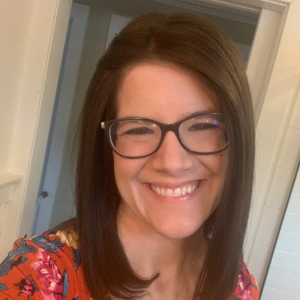 Mikell Frey is a communications professional with a passion for using the art of storytelling to positively impact lives. She strongly believes that positive social change can be inspired by the sharing of data-driven information coupled with the unique perspectives of people from all walks of life across Michigan, especially those who have faced extraordinary barriers.



 Yona Isaacs (she/hers) is an Early Childhood Data Analyst for the Kids Count project. After earning her Bachelor of Science in Biopsychology, Cognition, and Neuroscience at the University of Michigan, she began her career as a research coordinator in pediatric psychiatry using data to understand the impacts of brain activity and genetics on children’s behavior and mental health symptoms. This work prompted an interest in exploring social determinants of health and the role of policy in promoting equitable opportunities for all children, families, and communities. She returned to the University of Michigan to complete her Masters in Social Work focused on Social Policy and Evaluation, during which she interned with the ACLU of Michigan’s policy and legislative team and assisted local nonprofit organizations in creating data and evaluation metrics. She currently serves as a coordinator for the Michigan Center for Youth Justice on a project aiming to increase placement options and enhance cultural competency within the juvenile justice system for LGBTQIA+ youth. Yona is eager to put her data skills to work at the League in support of data-driven policies that advocate for equitable access to healthcare, education, economic security, and opportunity for 0-5 year old children. In her free time, she enjoys tackling DIY house projects and trying new outdoor activities with her dog.
 Rachel Richards rejoined the League in December 2020 as the Fiscal Policy Director working on state budget and tax policies. Prior to returning to the League, she served as the Director of Legislative Affairs for the Michigan Department of Treasury, the tax policy analyst and Legislative Director for the Michigan League for Public Policy, and a policy analyst and the Appropriations Coordinator for the Democratic Caucus of the Michigan House of Representatives. She brings with her over a decade of experience in policies focused on economic opportunity, including workforce issues, tax, and state budget.
 Simon Marshall-Shah joined the Michigan League for Public Policy as a State Policy Fellow in August 2019. His work focuses on state policy as it relates to the budget, immigration, health care and other League policy priorities. Before joining the League, he worked in Washington, D.C. at the Association for Community Affiliated Plans (ACAP), providing federal policy and advocacy support to nonprofit, Medicaid health plans (Safety Net Health Plans) related to the ACA Marketplaces as well as Quality & Operations.

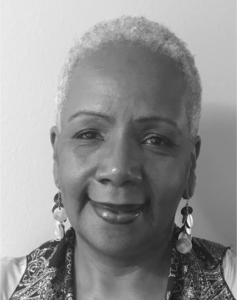 Renell Weathers, Michigan League for Public Policy (MLPP) Community Engagement Consultant. As community engagement consultant, Renell works with organizations throughout the state in connecting the impact of budget and tax policies to their communities. She is motivated by the belief that all children and adults deserve the opportunity to achieve their dreams regardless of race, ethnicity, religion or economic class.
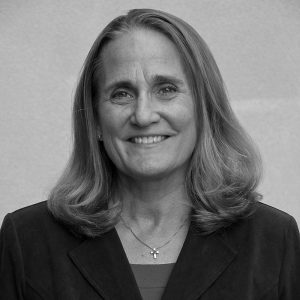
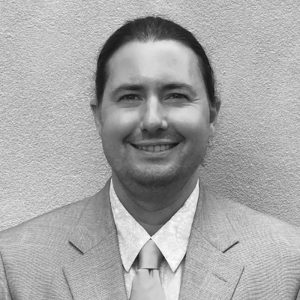

 Emily Jorgensen joined the Michigan League for Public Policy in July 2019. She deeply cares about the well-being of individuals and families and has a great love for Michigan. She is grateful that her position at the League enables her to combine these passions and work to help promote policies that will lead to better opportunities and security for all Michiganders.
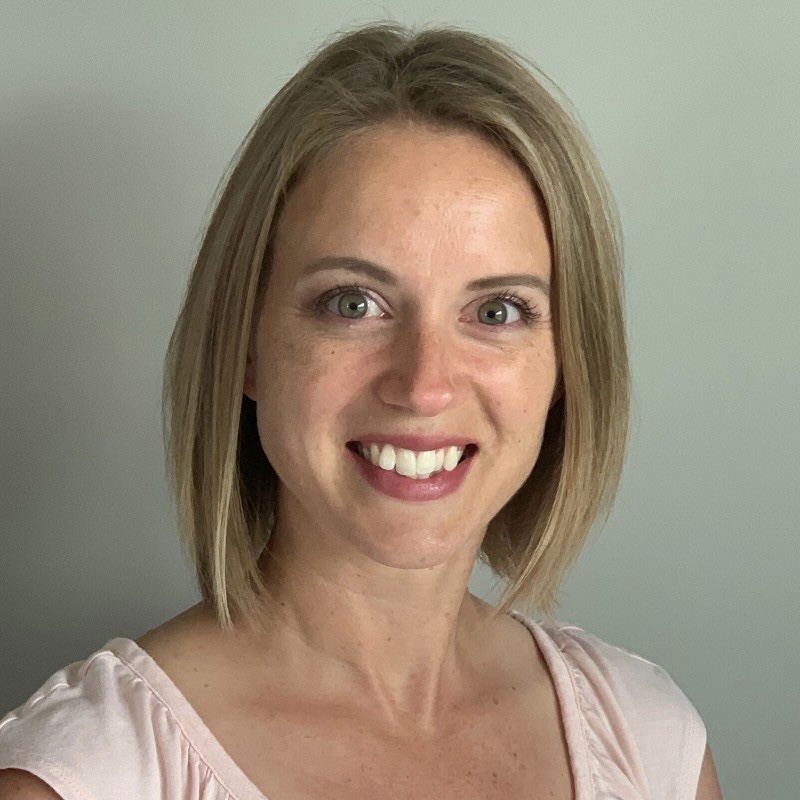 Megan Farnsworth joined the League’s staff in December 2022 as Executive Assistant. Megan is driven by work that is personally fulfilling, and feels honored to help support the work of an organization that pushes for more robust programming and opportunities for the residents of our state. She’s excited and motivated to gain overarching knowledge of the policies and agendas that the League supports.