Michiganders succeed when they are given the resources that allow them to go to school, work and participate in their community. Children have a difficult time learning if they are hungry or if they worry about whether their family can afford their next meal. Stable, safe, affordable housing is necessary to find and retain a job. Being able to access their basic needs helps Michiganders achieve better educational outcomes, live healthier lives and access economic prosperity.
For too long, our budget has disinvested in key areas that can have these lifelong beneficial impacts on the lives of our most important commodity—our people. The COVID-19 pandemic and our resulting recovery has shown policymakers the importance of investing in these social determinants of health and direct drivers of economic prosperity. While we still have a way to go, policymakers can use the 2023-24 budget as the starting point on the path to centering Michiganders’ basic needs.
Basic Cash Assistance
Michigan’s Family Independence Program (FIP) provides basic cash assistance to Michiganders with no to very low incomes. After years of neglect of eligibility criteria and harmful policies enacted by the Legislature, the number of families served by the program dropped from nearly 80,000 per month in 2011 to fewer than 12,000 per month (including about 22,100 children) in 2022.
The following is included in the final 2023-24 budget for basic cash assistance programs:
- Maintained support for the Diaper Assistance Program. The diaper assistance program funds entities that distribute diapers free of charge to qualifying families with children under 3 years of age. The final budget, in agreement with the governor’s proposal, maintains funding at $4.4 million, but swaps in $1.2 million from the General Fund for an equal amount of federal Temporary Aid for Needy Families (TANF) funds to allow for more of the funds to pay for administrative costs.
- Increased funding for the clothing allowance. The final budget adds $2.8 million in TANF funds to the annual back-to-school clothing allowance for eligible families with school-aged children.
- Retention of a modified young child supplement. The current year budget included $4.2 million to provide families receiving cash assistance a total payment of $600 per child under the age of 6. A current year supplemental included in the budget provides an additional $2.1 million in order to meet current needs based on caseloads. The 2023-24 budget includes a total of $6.2 million to provide families a total payment of at least $400 per child under the age of 6.
- Increased funding for staff to reduce case review waiting times for disability determinations. The final budget includes an increase of $7 million in federal funds to support an additional 43 full-time equivalents (FTEs), allowing for faster processing of applications for disability benefits.
Pilot program for RxKids in Flint. The final budget included a $16.5 million one-time TANF allocation for RxKids Flint, which will help draw down matching funds from foundations. The program will help support families in Flint by providing $7,500 total in cash payments, including a $1,500 payment to pregnant people and an additional $500 per month for infants, birth through 12 months. The pilot program will help test whether cash payments are a key to reducing the toxic stress and effects of poverty on kids, and may help scale a similar program statewide in the future. Despite there being no means testing to the program, this is an appropriate use of TANF funds due to the high concentration of child poverty in Flint, especially for children under the age of 5.
Healthy Food Access
The ability to access and pay for healthy food is essential to a person’s health and ability to learn and go to work. The federally funded Supplemental Nutrition Assistance Program (SNAP) remains the state’s main way to help families afford groceries, and earlier this year, the state removed barriers to access SNAP by eliminating the asset test that was used to determine eligibility. Building on this success, Michigan’s budget recognizes that Michiganders of all ages and stages in life could use extra support in ensuring healthy meals make it to their dinner tables. The final budget includes:
-
- Increased investment in Double Up Food Bucks (DUFB). The final budget restores DUFB funding to the previous level of $2 million annually, enabling the program to maximize federal matching funds. The program allows families receiving food assistance to double the value of benefits spent on Michigan-grown fresh produce at participating farmers markets and grocery stores. In the 2023 budget year, funding was reduced to $900,000. This budget provides $2 million in supplemental funds for 2023 as well as $2 million in ongoing funding for 2024 (Michigan Department of Agriculture and Rural Development budget).
- Funding for a pilot program to cover delivery costs associated with online SNAP purchases. Several years ago, Michigan received federal approval to allow SNAP participants to use their benefits to purchase groceries online; however, participants cannot use their SNAP benefits to pay the fees associated with curbside pickup or home delivery of online grocery orders. The budget provides $5 million for a food assistance delivery pilot program intended to improve access to healthy, nutritious food for SNAP participants. Under the pilot, the Michigan Department of Health and Human Services (MDHHS) will contract with providers to cover delivery costs of eligible SNAP purchases in Wayne and Kent counties.
- No funding to offset the loss of enhanced food assistance benefits. During the pandemic, the federal government funded a temporary boost in benefits for families that participate in SNAP. These emergency allotments ended earlier this year when the federal public health emergency declaration ended. The Senate had proposed $5 million from the General Fund to continue supplementing federal SNAP benefits, but the final budget does not include it.
-
- Increased funding for emergency food. The final budget increases ongoing funding to the Food Bank Council of Michigan by $10 million, bringing the total to $12 million (General Fund). Specifically, the funds are for procurement and distribution through the Michigan Agricultural Surplus System, which provides surplus produce from Michigan farmers to families with low incomes.
- Support for senior nutrition:
-
- For budget year 2024, the budget allocates $1 million in one-time funding to the area agencies on aging to provide home-delivered meals programming for older adults.
- The budget provides current year supplemental funding of $1.2 million in federal American Rescue Plan Act (ARPA) money for Senior Project Fresh enhancement. The program provides people at least 60 years old in households with low incomes with free nutrition education and coupons for healthy food sold at farmers markets and roadside stands. The supplemental funds are intended to facilitate electronic implementation of Senior Project Fresh, enhance nutrition education and develop alternatives for communities without internet accessibility.
- Provides breast milk delivery for babies whose parents are incarcerated. The budget includes $1 million and 1 FTE for a program through which the Department of Corrections will contract with Mama’s Mobile Milk to ensure that all postpartum incarcerated people have an opportunity to express breast milk for delivery to their children up to 18 months old.
- Investment in farm-to-school initiatives. The budget encourages the inclusion of local produce in healthy school meals through the following:
- The budget increases funding for the Ten Cents a Meal program from $4.8 million to $9.3 million ($8.8 million School Aid Fund; $500,000 General Fund). The program provides incentives for school districts to purchase fresh Michigan-grown foods. The final budget, however, does not make these funds ongoing, as proposed by the governor.
- For the 2023 budget year, the supplemental budget allocates an additional $1.1 million in federal ARPA funds to Michigan’s Farm to School State Formula Grant from the U.S. Department of Agriculture. The money is to support training, operations, equipment purchases, school garden development and implementation of farm-to-school programs.
Support Safe, Attainable Housing
Access to safe, affordable housing is a crucial factor in an individual’s health status, academic success and economic stability. Unfortunately, high housing costs and the lack of available, affordable housing has resulted in many Michiganders having to make tough decisions between housing, healthcare access, food access and other basic needs. While unaffordable housing costs disproportionately affect renters and households in urban communities, it is neither a new issue nor one that only affects certain demographic or geographic populations.
To help support housing access, the final 2023-24 budget includes:
-
- Expanded services for homeless and runaway youth. The budget includes $5.3 million ($1.1 million General Fund, $4.2 million in federal Temporary Assistance for Needy Families) for grants to support the expansion of runaway and homeless youth capacity. Of these funds, $3.2 million is earmarked for underserved and unserved counties. The remainder must be distributed to service providers across the state to provide 1) infrastructure support for expanded staff, supervision and training to meet complex mental health needs; and 2) technology and facility upgrades to maintain safety in youth shelter environments.
- Investments in home accessibility for older adults and people with disabilities in Detroit. The budget includes a one-time line item of $1.2 million from the General Fund for the City of Detroit to repair and renovate homes of city residents to ensure compliance with the Americans with Disabilities Act. Eligible individuals must be disabled or at least 65 years old (MDHHS budget).
- Funds to ensure safe water, affordable utilities and home health and safety, including the following:
-
-
- The governor’s recommendation to increase healthy homes funding by $22.5 million, bringing the total to $56.3 million (General Fund). The funds, along with 45 new FTEs, will support lead investigations and abatements, community-based testing, expanded lab capacity, and water distribution needs (MDHHS budget).
- $35 million (of the $40 million proposed by the governor) in federal ARPA funds in a 2023 supplemental to support community water systems in providing income-based assistance to residential customers at risk of losing water service. Eligible uses of the funds include capping or lowering water bills, reducing consumer debt, improving in-home plumbing, and protecting residents from water shutoffs. The funds are expected to last through the 2026 budget year.
- The 2023 supplemental includes an additional $82.5 million in federal Low Income Home Energy Assistance Program block grant funds to assist households with heat and electricity needs through the State Emergency Relief program.
- In a 2023 supplemental, $25 million in federal ARPA funds, as proposed by the governor, for improvements to prepare homes for weatherization, which reduces energy use and lowers utility bills.
- The budget does not include the governor’s recommendation to use $50 million in ARPA funds for deep energy retrofits and renewable energy access, and $212 million in federal Inflation Reduction Act funds for point-of-sale rebates for energy efficiency upgrades.
- Continued support for affordable housing access and downtown revitalization. For both 2023 and 2024, the budget includes $50 million in restricted funds, as recommended by the governor, for the Michigan Housing and Community Development Program. The program has been funded only sporadically throughout most of its history, but received a substantial one-time boost recently with the injection of federal ARPA funds. Subsequently, legislation was enacted to continue this investment by dedicating $50 million in corporate income tax revenue to the program every year.
-
- Grants for local projects to meet housing and shelter needs. The budget includes $39.3 million (General Fund) in grants for 11 specific local housing projects. Grantee projects include the development and preservation of affordable housing, homeless outreach and domestic violence services, and senior and workforce housing.
Additional Wraparound Support
While many students struggle with paying for college, many students also need additional support to connect with an appropriate college or training program, career counseling for post-college, or have other needs to allow them to remain in school, like food access or child care needs. To help support these students, the final budget includes:
- New funding of $5 million for career and education navigators for adult learners. Community colleges could partner with county governments to apply for grants through the Office of Sixty by 30 to supplement or create career and education navigators.
- New funding of $5 million for the Michigan Reconnect Entry Point Program. Community colleges could partner with county governments to apply for grants through the Office of Sixty by 30 to engage applicants who have been approved for Reconnect funding, but have not enrolled in an eligible program.
- New funding of $37.8 million to fund the College Success Fund and Student Wraparound Supports. Of this, $11.5 million would be required to go toward student wraparound services and basic needs supports that help students remain in college, such as child care, on-campus food pantries, housing or other emergency needs, mental health supports or funding to resolve institutional barriers to college success. The remaining would be provided for competitive grants to implement best practices at improving student retention and graduation rates. The governor had recommended $55 million total for these purposes, including $30 million for student wraparound services and basic needs support.
A continuing problem: Use of School Aid Fund Dollars for Postsecondary Education
Both the community colleges and the public universities budgets continue the problematic practice, begun in budget year 2010, of using a significant amount of School Aid Fund (SAF) dollars to supplant General Fund dollars. Although constitutionally allowed, this is money that has historically been meant to support K-12 public education; when Michigan residents voted by ballot to raise their taxes in 1994 to strengthen the SAF, they did so with the understanding that the money would go to support the public K-12 school system, not universities and community colleges.
Taken together, the two postsecondary education budgets for 2023-24 use a total of more than $1 billion to support the operations of postsecondary institutions—the highest diversion of SAF dollars since the practice began. With the enacted budget, a total of more than $8.5 billion will have been diverted out of K-12 education this way during the past fifteen years.

 Betsy Zobl-Tar
  Jay Cutler joined the League in March 2026 as the Kids Count Senior Data Analyst, where he collects, analyzes, and prepares data for Kids Count in Michigan.
 Danielle Taylor-Basemore joined the League as the Development Data and Stewardship Coordinator in June 2025. She brings with her five years of nonprofit experience with a special focus on community engagement, data visualization and strategic programming. Prior to joining the League, Danielle served as the Business District, Safety, and Digital Manager at Jefferson East, Inc.
 Scott Preston is a Senior Policy Analyst with the Michigan League for Public Policy, where he leads the organization’s immigration and criminal justice reform portfolios. In the three years prior to joining the League, Scott facilitated the Southeast Michigan Refugee Collaborative and managed a small business economic development program at Global Detroit. His work included launching Michigan’s first Refugee Film Festival and building on a trusted connector model that linked marginalized communities with crucial resources. Scott’s work at the League is informed by his background in journalism and research. He spent four years covering the Syrian refugee crisis in the Middle East for publications such as The Economist, and later worked with unaccompanied refugee minors through Samaritas. Scott holds a master’s degree in international migration and public policy from the London School of Economics and Political Science.
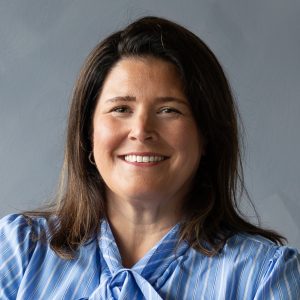 Kate Powers joined the League as the Chief Development Officer in February 2025. Prior to joining the League, Kate held leadership positions at many Michigan nonprofit organizations, most recently serving as the COO and Chief Development Officer of Ele’s Place. Kate has spent the bulk of her career in fundraising, with a short stint in the state Legislature as a legislative aide to members in both chambers. Kate is a graduate of Michigan State University’s James Madison College with a Bachelor of Arts in Social Relations and has a certificate in fundraising management from the Lilly Family School of Philanthropy at Indiana University. Additionally, Kate served on the East Lansing Public Schools Board of Education and is a past President of the Junior League of Lansing. In her free time, she enjoys traveling with her husband and her son and saving outfit of the day and home decor ideas on Pinterest.
  Nicholas Hess joined the League as the Fiscal Policy Analyst in September of 2024. In this role, Nicholas focuses on tax policy, government revenue, and their impact on working families and racial equity, including the effects of the Earned Income Tax Credit (EITC) and Child Tax Credit (CTC). Nicholas values the role that judicious fiscal policy can play in the improvement of people’s lives and the economy, alleviating inequities along the way.
 Audrey Matusz joined the League as the Visual Communications Specialist in September 2024. She supports the team with implementing social media strategies and brainstorming creative ways to talk about public policy. She brings with her nearly a decade of experience in producing digital products for evidence-based social justice initiatives.
  Jacob Kaplan
  Donald Stuckey
  Alexandra Stamm
 Amari Fuller
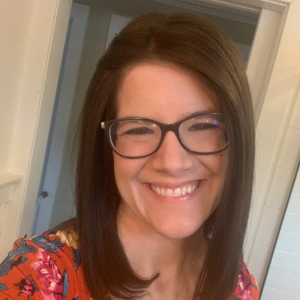 Mikell Frey is a communications professional with a passion for using the art of storytelling to positively impact lives. She strongly believes that positive social change can be inspired by the sharing of data-driven information coupled with the unique perspectives of people from all walks of life across Michigan, especially those who have faced extraordinary barriers.
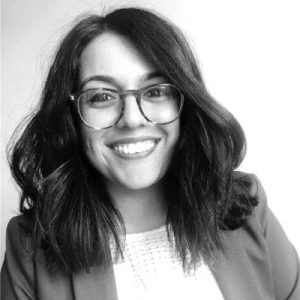


 Yona Isaacs (she/hers) is an Early Childhood Data Analyst for the Kids Count project. After earning her Bachelor of Science in Biopsychology, Cognition, and Neuroscience at the University of Michigan, she began her career as a research coordinator in pediatric psychiatry using data to understand the impacts of brain activity and genetics on children’s behavior and mental health symptoms. This work prompted an interest in exploring social determinants of health and the role of policy in promoting equitable opportunities for all children, families, and communities. She returned to the University of Michigan to complete her Masters in Social Work focused on Social Policy and Evaluation, during which she interned with the ACLU of Michigan’s policy and legislative team and assisted local nonprofit organizations in creating data and evaluation metrics. She currently serves as a coordinator for the Michigan Center for Youth Justice on a project aiming to increase placement options and enhance cultural competency within the juvenile justice system for LGBTQIA+ youth. Yona is eager to put her data skills to work at the League in support of data-driven policies that advocate for equitable access to healthcare, education, economic security, and opportunity for 0-5 year old children. In her free time, she enjoys tackling DIY house projects and trying new outdoor activities with her dog.
 Rachel Richards rejoined the League in December 2020 as the Fiscal Policy Director working on state budget and tax policies. Prior to returning to the League, she served as the Director of Legislative Affairs for the Michigan Department of Treasury, the tax policy analyst and Legislative Director for the Michigan League for Public Policy, and a policy analyst and the Appropriations Coordinator for the Democratic Caucus of the Michigan House of Representatives. She brings with her over a decade of experience in policies focused on economic opportunity, including workforce issues, tax, and state budget.
 Simon Marshall-Shah joined the Michigan League for Public Policy as a State Policy Fellow in August 2019. His work focuses on state policy as it relates to the budget, immigration, health care and other League policy priorities. Before joining the League, he worked in Washington, D.C. at the Association for Community Affiliated Plans (ACAP), providing federal policy and advocacy support to nonprofit, Medicaid health plans (Safety Net Health Plans) related to the ACA Marketplaces as well as Quality & Operations.

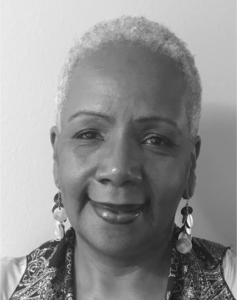 Renell Weathers, Michigan League for Public Policy (MLPP) Community Engagement Consultant. As community engagement consultant, Renell works with organizations throughout the state in connecting the impact of budget and tax policies to their communities. She is motivated by the belief that all children and adults deserve the opportunity to achieve their dreams regardless of race, ethnicity, religion or economic class.
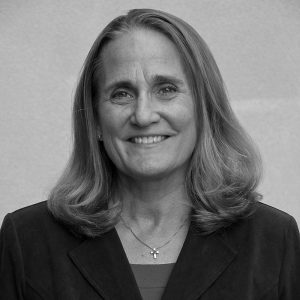


 Emily Jorgensen joined the Michigan League for Public Policy in July 2019. She deeply cares about the well-being of individuals and families and has a great love for Michigan. She is grateful that her position at the League enables her to combine these passions and work to help promote policies that will lead to better opportunities and security for all Michiganders.
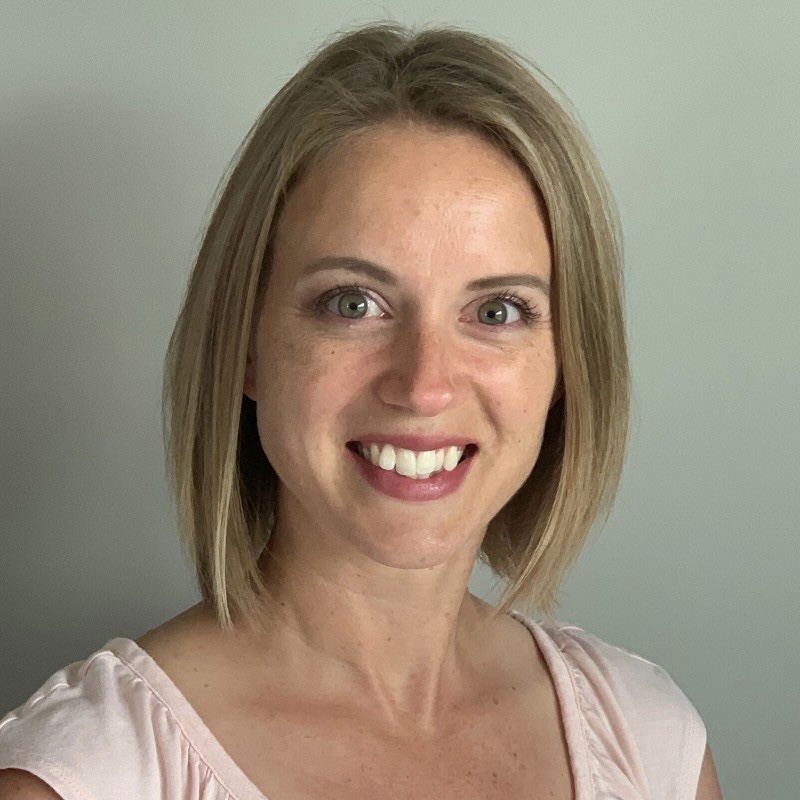 Megan Farnsworth joined the League’s staff in December 2022 as Executive Assistant. Megan is driven by work that is personally fulfilling, and feels honored to help support the work of an organization that pushes for more robust programming and opportunities for the residents of our state. She’s excited and motivated to gain overarching knowledge of the policies and agendas that the League supports.