Michigan succeeds when all of its residents have access to what they need to thrive—high quality education, healthcare, support for their basic needs and opportunities to engage in the economy. This also needs to extend to our justice-involved youth and adults. While policymakers have enacted a number of criminal legal system reforms over the past five years—including raising the age for who is considered an adult under our legal system and allowing for expungement of certain prior convictions—the state budget provides an opportunity to provide direct support to those currently involved in the justice system. The 2023-23 budget includes a number of investments to support this population.
Adult Correctional Facilities and Services (Dept. of Corrections)
Responsible for the operation and maintenance of the state’s 27 correctional facilities, the Michigan Department of Corrections (MDOC) supervises a total of 75,145 people (a net increase of 2% since last year): 32,750 people who are incarcerated, 33,250 people on probation and 9,145 people on parole. This year’s budget provides increases in key funding areas that support everyday programming, services and even oversight that are needed in MDOC facilities. These include investments in access to higher education; expanded medication-assisted treatment (MAT) and Hepatitis C treatment; body-worn cameras for frontline corrections staff; and a new Prison Rape Elimination Act (PREA) and Harassment Investigations Division.
In addition, the final budget allocates a number of one-time investments. Many of the programs that are funded (between $400,000 to $2 million) are for reentry services to support returning citizens across the state. Such investments not only equip community-based organizations with the resources they need to be successful and pilot new programming, but also seek to reduce recidivism for the long term.
The final 2023-24 budget includes:
Continued support for operations of and frontline workers at state correctional facilities.
- Maintained support for our State Correctional facilities. The final budget maintains $1.1 billion to fund Michigan’s 27 correctional facilities, including their staffing. Savings of $48.9 million (general fund) is the result of the closures of both the Michigan Reformatory ($33.2 million) and the south side of the Gus Harrison Correctional Facility ($15.7 million), which were completed in November 2022. Partial funding is retained to cover the costs of maintenance and utilities at these sites.
- In addition, $1 million (general fund) has been included to more effectively detect and confiscate contraband (e.g., drugs, weapons, and cell phones) to reduce and prevent criminal activity from occurring in correctional facilities.
- Increased support for frontline workers through recruitment and retention efforts and wellness programming. The budget does not include any increase, with Coronavirus funds, for frontline workers’ payroll. Yet, $12 million in one-time federal Coronavirus funds have been allocated to support signing and retention bonuses. Plus, to improve recruitment and retention efforts, $4.7 million (general fund) has been included to cover costs associated with increased compensation for certain Civil Service classifications, including healthcare, skilled trades and transportation. In addition, employee wellness programming has recently been funded at $2 million. The final budget maintains current funding (general fund), but does not include a one-time boost ($567,600) that was proposed by the Senate.
- Purchasing body-worn cameras. The final budget includes $7.1 million (general fund) to purchase body-worn cameras for frontline corrections staff ($3.3 million one-time). This one-time funding will be used for hardware, licensing, warranty costs and storage. The other $3.8 million (general fund, ongoing) will be used to hire personnel to develop plans for training, implementation and deployment of the cameras in correctional facilities.
- Establishment of the Prison Rape Elimination Act (PREA) and Harassment Investigations Division. The final budget includes $3.3 million (general fund) to establish the specialized division within the department and hire staff to investigate all reported allegations of sexual abuse within prisons as well as discriminatory harassment and retaliation in the workplace. The total number of investigations has averaged 1,674 per year for the last four years.
- Reduced funding for the Public Safety Initiative: The final budget reduces funding for this program—which assists Genesee County and the City of Flint with jail beds, Flint City Lock-Up and electronic tether services—by $2 million (general fund), bringing total funding to $2 million.
A Note on Recidivism in Michigan
Over the last two decades, Michigan’s recidivism rate (individuals released who have returned to prison within three years) has continued to decrease by about 10 percent every 10 years. Per the Michigan Department of Corrections, the rate has declined over the last four years to 22.1 percent in 2023—the lowest rate in state history. Recidivism as a result of a technical violation, which results from someone not meeting a requirement placed on their probation or parole, consistently accounts for half of the total cases of those returning to prison. Examples of a technical violation include missing a meeting with a supervision officer, failing to pay a fine, or failing a drug test.
Addressing recidivism must include preparing incarcerated individuals for reentry, which includes ensuring that basic needs can be met when they return to their communities. One strategy is to focus on prison programming, especially programs that focus on career readiness, jobs skills, and securing employment post-release. Although such programs do not exist in a silo—because the availability of community resources, social supports and job opportunities also contributes to individuals’ success after incarceration—they can ensure prisoners are released with core educational and vocational skills.
The Michigan Department of Corrections has an “Offender Success Model” with a core goal of providing such programming. Longstanding examples include Goodwill Flip the Script and the Vocational Village program. The latter was established in 2016, is an intensive skilled trades and technical training program that has seen impressive results: an employment rate of 69% for graduates active on parole and a return to prison rate of just 11.1% as of 2022, well under the state’s total recidivism rate.
The final 2024 budget also includes funding for prisoners to access higher education through comprehensive bachelor’s degree programs as well as a number of one-time investments for reentry support programs. These are new, important investments to ensure that incarcerated individuals are successful and have the supports they need upon release.
1 Summary of Michigan Department of Corrections Statistical Reports; Offender Management Network Information by House Fiscal Agency, December 27, 2022, https://house.mi.gov/hfa/PDF/Corrections/Corrections_Data_Outcomes_of_Parolees.pdf.
2Karley Abramson, “Formerly Incarcerated Individuals and the Threat to Public Safety: What Recidivism Data Actually Shows,” Citizens Research Council of Michigan, January 24, 2023, https://crcmich.org/formerly-incarcerated-individuals-and-the-threat-to-public-safety-what-recidivism-data-actually-shows
Educational and workforce supports for justice-involved adults and returning citizens
- Programming to help individuals who are incarcerated to access higher education in prison. The final budget provides $1.5 million (general fund)—$1.3 million of which is ongoing—to be allocated to state 4-year colleges or universities that opt in to provide prisoners with the opportunity to participate in comprehensive bachelor’s degree programs. Funding will be used for eligible expenses including staffing, supplies and tuition. The remaining $250,000 in one-time funding is guaranteed to Eastern Michigan University.
- One-time funding for Come Out Stay Out. The final budget provides $400,000 in one-time funding (general fund) to provide education, employment and housing services to returning citizens.
- One-time funding for Nation Outside. The final budget invests $2 million in one-time funding (general fund) to create a statewide peer-led reentry program to assist people on parole with housing, education, employment and access to healthcare and insurance.
- Rebidding of “Offender Success” contracts. The final budget includes $975,000 to cover increased contract costs after they are rebid. This programming helps prepare prisoners with vocational and educational skills prior to release, reducing the likelihood of recidivism and helping them to lead stable and fulfilling lives. The contracted services include housing for returning citizens, job placement, social supports and behavioral and mental health supports.
- Increased one-time funding for Goodwill Flip the Script. The final budget includes a $1.4 million one-time (general fund) investment and maintains current-year funding of $1.25 million for the program, which focuses on education, job placement and life skills for justice-involved individuals while providing wrap-around services to overcome barriers to employment.
- One-time funding for Silent Cry. The final budget provides $400,000 in one-time funding (general fund) for the Michigan- and New York-based organization to establish the Harvesting Hope Healing Trauma pilot project, which will assist returning citizens with ongoing mental health issues, reacclimating after release and building skills to reduce recidivism through an agricultural model.
Support for health and mental health care for individuals who are incarcerated
- Improved funding for healthcare of individuals who are incarcerated. Health care funding within the MDOC supports the delivery of healthcare services and treatments – for both physical and medical health – to individuals who are incarcerated as well as necessary administrative functions. The final budget includes:
- $343.9 million ($343.2 million general fund) for health care for individuals who are incarcerated, including $105.5 million for continuing healthcare services. This total includes an additional $10.7 million (general fund) for increased costs (including inflationary increases) of a healthcare services contract with Grand Prairie, which covers onsite medical and behavioral health care, specialty care and pharmaceutical services. The contract will be renegotiated due to recently increased medical costs.
- $1.7 million (general fund) for Hepatitis C treatment for individuals who are incarcerated, raising total funding to $10.5 million. This investment will allow the department to treat an additional 104 cases and manage the increase and backlog in cases.
- $11.2 million (general fund) to increase access to medication-assisted treatment (MAT) in state correctional facilities. An estimated 60% of individuals under MDOC supervision have moderate to severe substance use disorder. Expanding the use of MAT programs has been recommended by the Michigan Opioids Task Force, and this investment will establish at least three clinics, enabling the department to retreat up to 1,200 additional prisoners (400 per site).
- Funding for the Breast Milk Program to provide breast milk delivery for babies whose parents are incarcerated. The final budget includes a $1 million one-time (general fund) increase for MDOC to work with the Mama’s Mobile Milk program to transport the breast milk of people who are postpartum and incarcerated to their newborn infants.
Justice-Involved Youth Supports
Over the past several years, Michigan has enacted a number of policies to help reform our juvenile justice system, including raising the age of automatic adult adjudication and improving county services for justice-involved youth. However, Michigan still detains youth at one of the highest rates in the nation, especially for non-criminal behavior, and because of systemic barriers and racial bias, youth of color are disproportionately impacted by juvenile justice policies. A bipartisan Task Force on Juvenile Justice Reform was created in June of 2021, relied on data- and research-backed analysis, and presented a number of reforms that can help both deter delinquency and improve rehabilitation of justice-involved youth. A key recommendation from the Task Force will help incent the use of community-based organizations rather than state-run or privately-owned residential placements, keeping justice-involved youth in their communities where they can receive the support they need. The 2023-24 budget includes a number of the recommendations presented by the task force to improve community safety, reduce disparities and improve youth outcomes.
Including in the 2023-24 budget are:
- Supporting efforts to resentence justice-involved youth serving a life sentence without the possibility of parole. The final budget, in alignment with the governor’s recommendation, includes an additional $2.5 million in funding for the State Appellate Defender Office to help support the resentencing of justice-involved youth currently serving a life sentence without the possibility of parole.
- Implementation of the Task Force on Juvenile Justice Reform recommendations. The final budget—in alignment with the governor’s recommendation—provides funding for several of the recommendations made by the Task Force on Juvenile Justice Reform, including:
- $1.6 million for the Office of the Child Advocate to enhance oversight and outreach support for youth in the juvenile justice system and expand the office’s role.
- $31.5 million to restructure the Child Care Fund to support higher reimbursement rates to local governments for community-based treatment options for youth involved with or at risk of becoming involved with the juvenile justice system. This will increase the reimbursement rate from 50% to 75%. Currently, the cost share does not provide any incentive for community-based options over residential placement or incarceration. Based on a review of juvenile placements from 2015 to 2018, nearly 90% of those who began in a state-run facility and nearly 70% of those who were initially placed in a privately-run facility had a length of stay of more than 9 months.
-
- $2 million to establish a Juvenile Justice Services Division within the State Court Administrative Office to coordinate statewide court policies, data collection and reporting, develop screening and assessment tools and provide technical assistance and quality assurance.
- Just over $0.5 million for the creation of a juvenile justice unit within the State Appellate Defender Office to provide appellate counsel for indigent youth in juvenile justice cases.
A note on data
Finding and analyzing data on justice-involved Michiganders has been challenging for a number of reasons: it’s not available or if it is available, it’s incomplete or it cannot be compared across communities because there’s no standardization. Unfortunately, this means we rely on incomplete data or data from other states to form policy recommendations. To truly create improved outcomes for Michiganders across the state, we need adequate, comparable, and available data. This is especially important to determine whether the changes will equitably impact disproportionately affected individuals and communities.

 Betsy Zobl-Tar
  Jay Cutler joined the League in March 2026 as the Kids Count Senior Data Analyst, where he collects, analyzes, and prepares data for Kids Count in Michigan.
 Danielle Taylor-Basemore joined the League as the Development Data and Stewardship Coordinator in June 2025. She brings with her five years of nonprofit experience with a special focus on community engagement, data visualization and strategic programming. Prior to joining the League, Danielle served as the Business District, Safety, and Digital Manager at Jefferson East, Inc.
 Scott Preston is a Senior Policy Analyst with the Michigan League for Public Policy, where he leads the organization’s immigration and criminal justice reform portfolios. In the three years prior to joining the League, Scott facilitated the Southeast Michigan Refugee Collaborative and managed a small business economic development program at Global Detroit. His work included launching Michigan’s first Refugee Film Festival and building on a trusted connector model that linked marginalized communities with crucial resources. Scott’s work at the League is informed by his background in journalism and research. He spent four years covering the Syrian refugee crisis in the Middle East for publications such as The Economist, and later worked with unaccompanied refugee minors through Samaritas. Scott holds a master’s degree in international migration and public policy from the London School of Economics and Political Science.
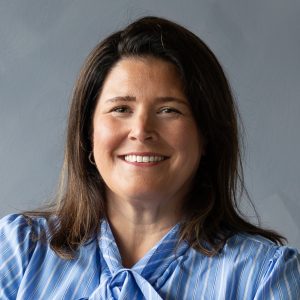 Kate Powers joined the League as the Chief Development Officer in February 2025. Prior to joining the League, Kate held leadership positions at many Michigan nonprofit organizations, most recently serving as the COO and Chief Development Officer of Ele’s Place. Kate has spent the bulk of her career in fundraising, with a short stint in the state Legislature as a legislative aide to members in both chambers. Kate is a graduate of Michigan State University’s James Madison College with a Bachelor of Arts in Social Relations and has a certificate in fundraising management from the Lilly Family School of Philanthropy at Indiana University. Additionally, Kate served on the East Lansing Public Schools Board of Education and is a past President of the Junior League of Lansing. In her free time, she enjoys traveling with her husband and her son and saving outfit of the day and home decor ideas on Pinterest.
  Nicholas Hess joined the League as the Fiscal Policy Analyst in September of 2024. In this role, Nicholas focuses on tax policy, government revenue, and their impact on working families and racial equity, including the effects of the Earned Income Tax Credit (EITC) and Child Tax Credit (CTC). Nicholas values the role that judicious fiscal policy can play in the improvement of people’s lives and the economy, alleviating inequities along the way.
 Audrey Matusz joined the League as the Visual Communications Specialist in September 2024. She supports the team with implementing social media strategies and brainstorming creative ways to talk about public policy. She brings with her nearly a decade of experience in producing digital products for evidence-based social justice initiatives.
  Jacob Kaplan
  Donald Stuckey
  Alexandra Stamm
 Amari Fuller
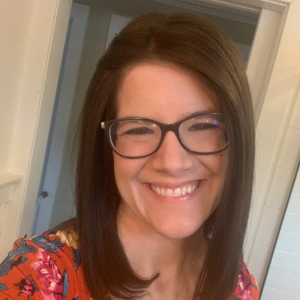 Mikell Frey is a communications professional with a passion for using the art of storytelling to positively impact lives. She strongly believes that positive social change can be inspired by the sharing of data-driven information coupled with the unique perspectives of people from all walks of life across Michigan, especially those who have faced extraordinary barriers.



 Yona Isaacs (she/hers) is an Early Childhood Data Analyst for the Kids Count project. After earning her Bachelor of Science in Biopsychology, Cognition, and Neuroscience at the University of Michigan, she began her career as a research coordinator in pediatric psychiatry using data to understand the impacts of brain activity and genetics on children’s behavior and mental health symptoms. This work prompted an interest in exploring social determinants of health and the role of policy in promoting equitable opportunities for all children, families, and communities. She returned to the University of Michigan to complete her Masters in Social Work focused on Social Policy and Evaluation, during which she interned with the ACLU of Michigan’s policy and legislative team and assisted local nonprofit organizations in creating data and evaluation metrics. She currently serves as a coordinator for the Michigan Center for Youth Justice on a project aiming to increase placement options and enhance cultural competency within the juvenile justice system for LGBTQIA+ youth. Yona is eager to put her data skills to work at the League in support of data-driven policies that advocate for equitable access to healthcare, education, economic security, and opportunity for 0-5 year old children. In her free time, she enjoys tackling DIY house projects and trying new outdoor activities with her dog.
 Rachel Richards rejoined the League in December 2020 as the Fiscal Policy Director working on state budget and tax policies. Prior to returning to the League, she served as the Director of Legislative Affairs for the Michigan Department of Treasury, the tax policy analyst and Legislative Director for the Michigan League for Public Policy, and a policy analyst and the Appropriations Coordinator for the Democratic Caucus of the Michigan House of Representatives. She brings with her over a decade of experience in policies focused on economic opportunity, including workforce issues, tax, and state budget.
 Simon Marshall-Shah joined the Michigan League for Public Policy as a State Policy Fellow in August 2019. His work focuses on state policy as it relates to the budget, immigration, health care and other League policy priorities. Before joining the League, he worked in Washington, D.C. at the Association for Community Affiliated Plans (ACAP), providing federal policy and advocacy support to nonprofit, Medicaid health plans (Safety Net Health Plans) related to the ACA Marketplaces as well as Quality & Operations.

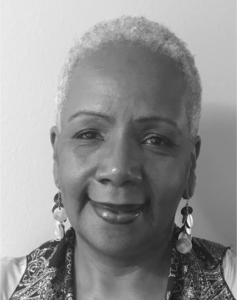 Renell Weathers, Michigan League for Public Policy (MLPP) Community Engagement Consultant. As community engagement consultant, Renell works with organizations throughout the state in connecting the impact of budget and tax policies to their communities. She is motivated by the belief that all children and adults deserve the opportunity to achieve their dreams regardless of race, ethnicity, religion or economic class.


 Emily Jorgensen joined the Michigan League for Public Policy in July 2019. She deeply cares about the well-being of individuals and families and has a great love for Michigan. She is grateful that her position at the League enables her to combine these passions and work to help promote policies that will lead to better opportunities and security for all Michiganders.
 Megan Farnsworth joined the League’s staff in December 2022 as Executive Assistant. Megan is driven by work that is personally fulfilling, and feels honored to help support the work of an organization that pushes for more robust programming and opportunities for the residents of our state. She’s excited and motivated to gain overarching knowledge of the policies and agendas that the League supports.