For a long time, I did not think I was an activist. I could not match my perceptions of activism with my own reality. I thought activists were energetic, megaphone-wielding extroverts with larger-than-life personalities. I pictured speeches rousing masses and marchers chanting in the faces of oncoming police.
I am a quiet and introspective person. I came to life as a political being in Washington, DC, where I did my best to become a revolutionary rabble-rouser, only to find that I could not fit myself into that mold. When I moved back home to Grand Rapids, Michigan, I found space for my quiet activism. Here I am learning the art of introverted leadership, and my journey has shown me that stories and long-term relationship-building comprise the foundation of any successful grassroots movement. Luckily, Grand Rapids is a great place for listening and developing friendships.
A Big, Small Town
I think of Grand Rapids as a big, small town. Our city is growing rapidly. There is no shortage of new things to see and people to meet, but when you walk into a coffee shop, you will most likely run into someone you know. As our city grows, it is becoming more progressive. It is hard to miss the ever-increasing presence of rainbow flags and “Black Lives Matter” yard signs. Unfortunately, these shining symbols often cover up deep issues of discrimination and gentrification in our community. Still, we are a shifting people and I have hope for continued progress.

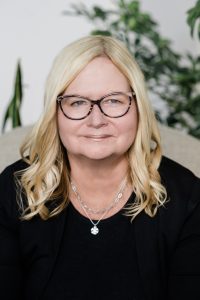
Jenny’s quiet leadership style does not exclude public speaking. Here she presents at a NOW event in Grand Rapids.
Having lived in Washington, DC, for a few years, I am grateful for the home I have found in Grand Rapids culture. Relationships in DC often feel transactional – find out what people do and build your bubble accordingly. In Grand Rapids, my conversations usually start with something like – “How is your day?” “Are you enjoying the sunshine?” “I love your garden. Did you do it yourself?” My heart has opened up to a wide variety of people in this big, small town. I am a liberal, atheist, hater of athletics who has become close friends with ministers, Republicans and yoga instructors. Grand Rapids provides ample opportunity to step outside of my bubble.
Joys & Hardships of Hanging Out
Several memories stick out as examples of how Grand Rapids has taught me to become a whole person and a political activist.
In 2010, something big happened that changed the way local organizations worked together in Grand Rapids. The Affordable Care Act passed, transforming the world of healthcare, and organizations had to partner with one another to understand the law and get the community enrolled. As a volunteer enrollment counselor with Planned Parenthood at the time, I set my sights on working with Bethany Christian Services Refugee Program. This was particularly important given the fact that these two organizations had never worked together. It is common in Grand Rapids, a city with a large, faith-based nonprofit sector, to have tensions between faith-based and non-faith-based organizations. Building new bridges in this arena was a focus of my work at Planned Parenthood. We came together, at first nervous and skeptical, to discuss the pressing healthcare needs of immigrants and refugees in Grand Rapids.
Out of this conversation came an unlikely partnership. It became clear that we needed one another. We found a shared goal that bridged a deep divide, and we strengthened our relationship as joint education and enrollment began. We met in Bethany’s space. They recruited their clients who needed health insurance and we provided our expertise in the form of trained certified application counselors. It was a wonderful example of sharing space but dividing labor and leadership roles based on expertise.
We became friends, and since this was a difficult program, we shared joyful ups and heartbreaking downs. We faced technological challenges when the healthcare website broke down and computers wouldn’t work. We faced language barriers, having to arrange for translation for refugees who spoke rare languages and facing the task of explaining complicated processes in multiple languages. Most devastating, though, were the cases where the system itself was not built to cope with the unique challenges faced by these people and we had to turn them away or delay getting them help that they needed. Despite all of these challenges, each time one of our certified application counselors successfully enrolled a family in the health insurance program, we celebrated the accomplishment of a shared mission and felt deeply the impact that we were having on the lives of the people we were working with. We got to know over 100 people during enrollment, and their stories and friendships kept us going, challenging us to keep breaking down barriers.
Taking the time to listen and share stories builds political power. On a night shortly after the Planned Parenthood shooting in Colorado, I invited a group of Planned Parenthood and Black Lives Matter volunteers to my home. This was a difficult and personal conversation that did not need to happen in public. We came to my living room already knowing and trusting one another, but we also came very explicitly as community leaders who wanted to create change in local work and conversation. We sat in my little living room and talked for a couple of hours, delving into our dreams and nightmares as controversial activists. For a blip of time, my living room felt like a sanctuary floating above the world’s daily violence.

Kinne promotes listening and bonding as powerful tools in making political change. Here, she bonds with fellow activists.
Hanging out isn’t always a love-filled dreamscape. Sometimes, hanging out means you are going to be called out. As a board member of the local chapter of the National Organization for Women, I invited a renowned racial justice advocate, Chaka Holley, to be a part of our annual fundraiser. Chaka blew us all away with her intelligence, kindness and sense of humor. What I admire most about Chaka is her ability to speak hard truth in a way that opens up paths to friendship and hope. She called out the feminist community of Grand Rapids for failing to prioritize racial equity and inclusion within our organizations. This hurt for a lot of people in my feminist community, and we had many conversations about how to listen. Chaka gave us information that was necessary but hard to hear, so we needed to train our hearts to pay attention and objectively look at solutions posed, rather than getting defensive. These conversations made us better people and activists. Listening and hanging out isn’t always easy, but I think it pays off every time.
Sit down, Shut up, and Listen
With all that said, hanging out is not enough. We have to hang out and listen to one another. We miss too much when we are busy talking. We miss thoughts, values and experiences that have shaped our friends and neighbors. We will neither understand fault lines nor build bridges without deep listening.
We certainly need eloquent and extroverted leaders in our movements for social change, but we also need quiet movers and shakers. We need to value our listeners and storytellers in the same way we do our tireless figureheads. Activists who take the time to rest and form relationships through asking questions are pivotal to sustainable grassroots movements.
Forming relationships and sharing stories builds bridges and cultivates political power. I feel lucky to have learned this at a young age, and I look forward to a lifetime of introverted activism. After a long time of trying to fit myself into an activism mold that didn’t fit, I am proud to finally embrace my personality. I am quiet. I am a listener. I am a leader.
Editor’s Note: A longer version of this piece was included in the book Grand Rapids Grassroots: An Anthology, which is available here: http://beltmag.com/grand-rapids-grassroots-anthology-now-available/.
— Jenny Kinne

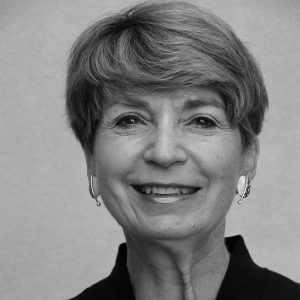
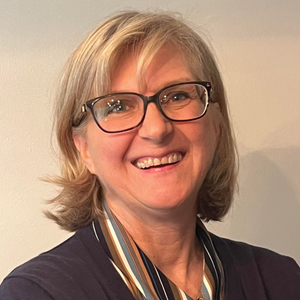 Betsy Zobl-Tar
 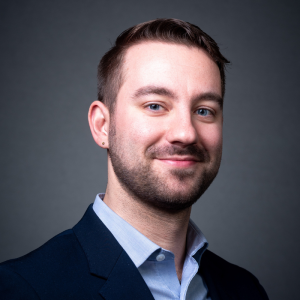 Jay Cutler joined the League in March 2026 as the Kids Count Senior Data Analyst, where he collects, analyzes, and prepares data for Kids Count in Michigan.
 Danielle Taylor-Basemore joined the League as the Development Data and Stewardship Coordinator in June 2025. She brings with her five years of nonprofit experience with a special focus on community engagement, data visualization and strategic programming. Prior to joining the League, Danielle served as the Business District, Safety, and Digital Manager at Jefferson East, Inc.
 Scott Preston is a Senior Policy Analyst with the Michigan League for Public Policy, where he leads the organization’s immigration and criminal justice reform portfolios. In the three years prior to joining the League, Scott facilitated the Southeast Michigan Refugee Collaborative and managed a small business economic development program at Global Detroit. His work included launching Michigan’s first Refugee Film Festival and building on a trusted connector model that linked marginalized communities with crucial resources. Scott’s work at the League is informed by his background in journalism and research. He spent four years covering the Syrian refugee crisis in the Middle East for publications such as The Economist, and later worked with unaccompanied refugee minors through Samaritas. Scott holds a master’s degree in international migration and public policy from the London School of Economics and Political Science.
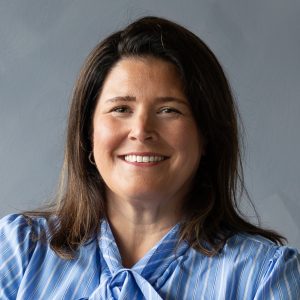 Kate Powers joined the League as the Chief Development Officer in February 2025. Prior to joining the League, Kate held leadership positions at many Michigan nonprofit organizations, most recently serving as the COO and Chief Development Officer of Ele’s Place. Kate has spent the bulk of her career in fundraising, with a short stint in the state Legislature as a legislative aide to members in both chambers. Kate is a graduate of Michigan State University’s James Madison College with a Bachelor of Arts in Social Relations and has a certificate in fundraising management from the Lilly Family School of Philanthropy at Indiana University. Additionally, Kate served on the East Lansing Public Schools Board of Education and is a past President of the Junior League of Lansing. In her free time, she enjoys traveling with her husband and her son and saving outfit of the day and home decor ideas on Pinterest.
  Nicholas Hess joined the League as the Fiscal Policy Analyst in September of 2024. In this role, Nicholas focuses on tax policy, government revenue, and their impact on working families and racial equity, including the effects of the Earned Income Tax Credit (EITC) and Child Tax Credit (CTC). Nicholas values the role that judicious fiscal policy can play in the improvement of people’s lives and the economy, alleviating inequities along the way.
 Audrey Matusz joined the League as the Visual Communications Specialist in September 2024. She supports the team with implementing social media strategies and brainstorming creative ways to talk about public policy. She brings with her nearly a decade of experience in producing digital products for evidence-based social justice initiatives.
 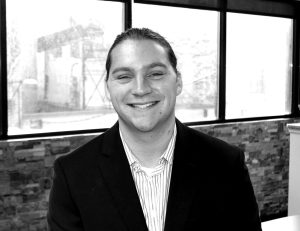 Jacob Kaplan
  Donald Stuckey
  Alexandra Stamm
 Amari Fuller
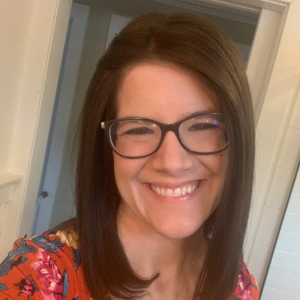 Mikell Frey is a communications professional with a passion for using the art of storytelling to positively impact lives. She strongly believes that positive social change can be inspired by the sharing of data-driven information coupled with the unique perspectives of people from all walks of life across Michigan, especially those who have faced extraordinary barriers.
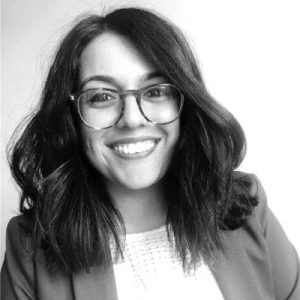


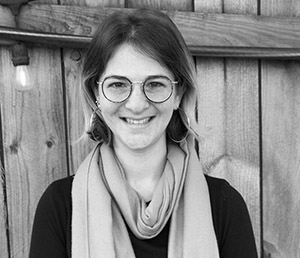 Yona Isaacs (she/hers) is an Early Childhood Data Analyst for the Kids Count project. After earning her Bachelor of Science in Biopsychology, Cognition, and Neuroscience at the University of Michigan, she began her career as a research coordinator in pediatric psychiatry using data to understand the impacts of brain activity and genetics on children’s behavior and mental health symptoms. This work prompted an interest in exploring social determinants of health and the role of policy in promoting equitable opportunities for all children, families, and communities. She returned to the University of Michigan to complete her Masters in Social Work focused on Social Policy and Evaluation, during which she interned with the ACLU of Michigan’s policy and legislative team and assisted local nonprofit organizations in creating data and evaluation metrics. She currently serves as a coordinator for the Michigan Center for Youth Justice on a project aiming to increase placement options and enhance cultural competency within the juvenile justice system for LGBTQIA+ youth. Yona is eager to put her data skills to work at the League in support of data-driven policies that advocate for equitable access to healthcare, education, economic security, and opportunity for 0-5 year old children. In her free time, she enjoys tackling DIY house projects and trying new outdoor activities with her dog.
 Rachel Richards rejoined the League in December 2020 as the Fiscal Policy Director working on state budget and tax policies. Prior to returning to the League, she served as the Director of Legislative Affairs for the Michigan Department of Treasury, the tax policy analyst and Legislative Director for the Michigan League for Public Policy, and a policy analyst and the Appropriations Coordinator for the Democratic Caucus of the Michigan House of Representatives. She brings with her over a decade of experience in policies focused on economic opportunity, including workforce issues, tax, and state budget.
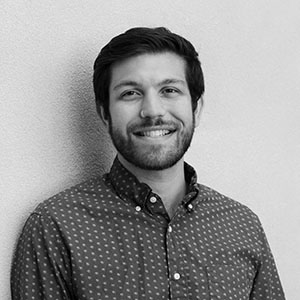 Simon Marshall-Shah joined the Michigan League for Public Policy as a State Policy Fellow in August 2019. His work focuses on state policy as it relates to the budget, immigration, health care and other League policy priorities. Before joining the League, he worked in Washington, D.C. at the Association for Community Affiliated Plans (ACAP), providing federal policy and advocacy support to nonprofit, Medicaid health plans (Safety Net Health Plans) related to the ACA Marketplaces as well as Quality & Operations.
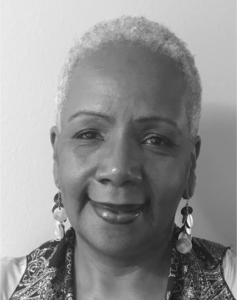 Renell Weathers, Michigan League for Public Policy (MLPP) Community Engagement Consultant. As community engagement consultant, Renell works with organizations throughout the state in connecting the impact of budget and tax policies to their communities. She is motivated by the belief that all children and adults deserve the opportunity to achieve their dreams regardless of race, ethnicity, religion or economic class.
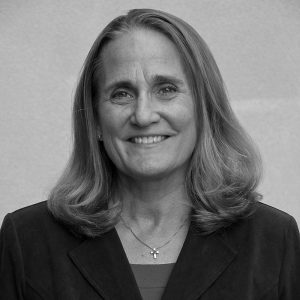
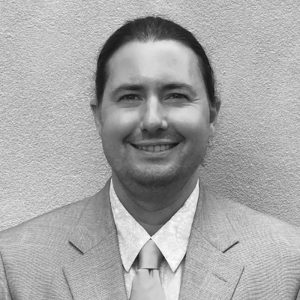

 Emily Jorgensen joined the Michigan League for Public Policy in July 2019. She deeply cares about the well-being of individuals and families and has a great love for Michigan. She is grateful that her position at the League enables her to combine these passions and work to help promote policies that will lead to better opportunities and security for all Michiganders.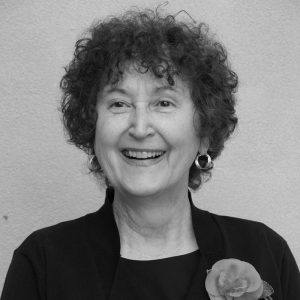
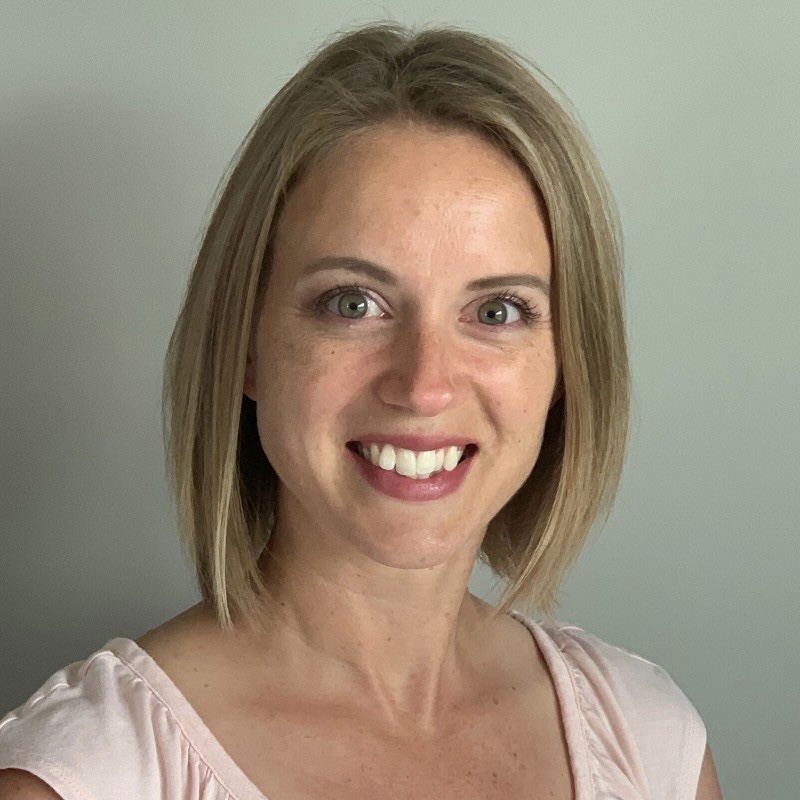 Megan Farnsworth joined the League’s staff in December 2022 as Executive Assistant. Megan is driven by work that is personally fulfilling, and feels honored to help support the work of an organization that pushes for more robust programming and opportunities for the residents of our state. She’s excited and motivated to gain overarching knowledge of the policies and agendas that the League supports.