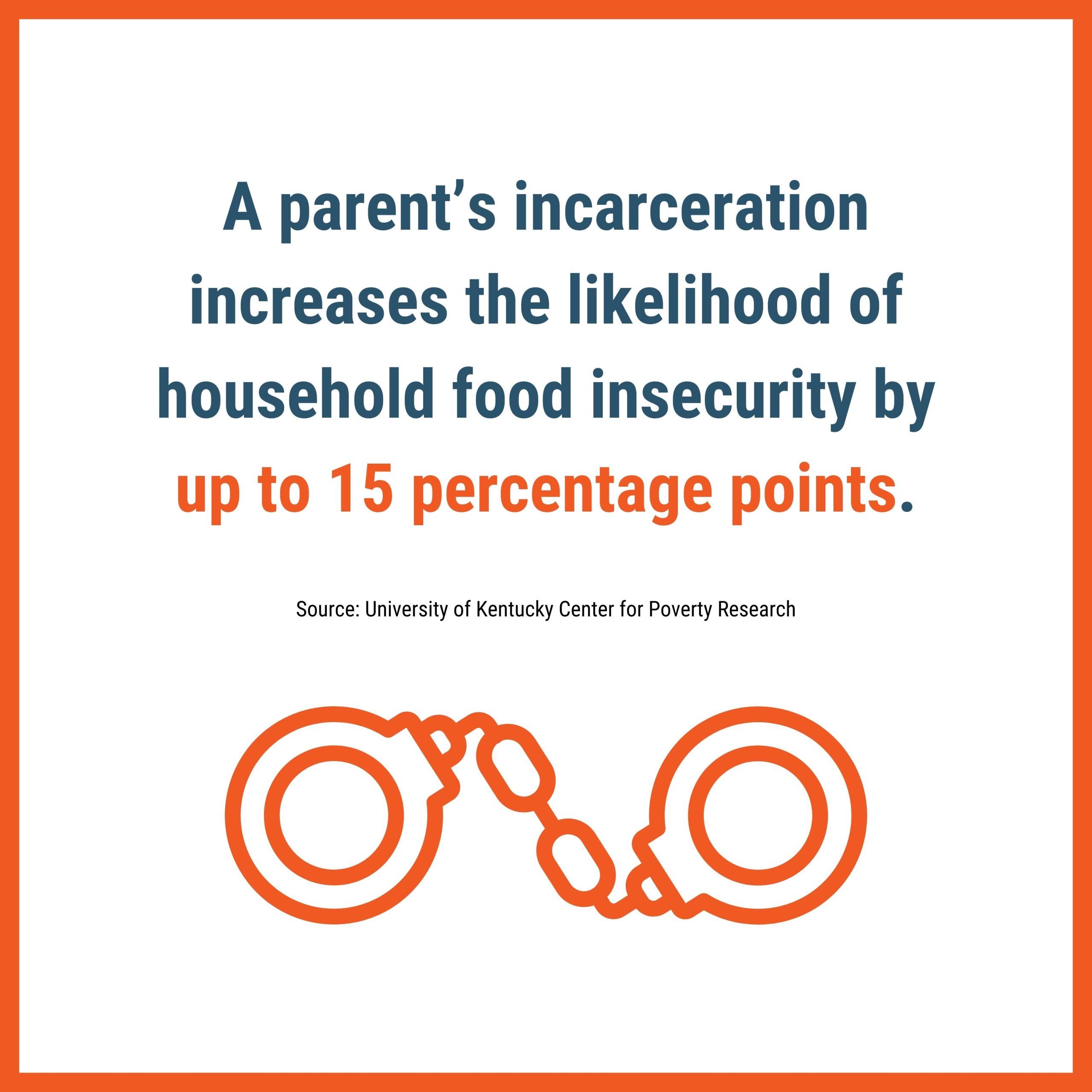
The 2023 Farm Bill presents an opportunity to strengthen food access for kids and parents in families affected by drug-related involvement with the criminal legal system.
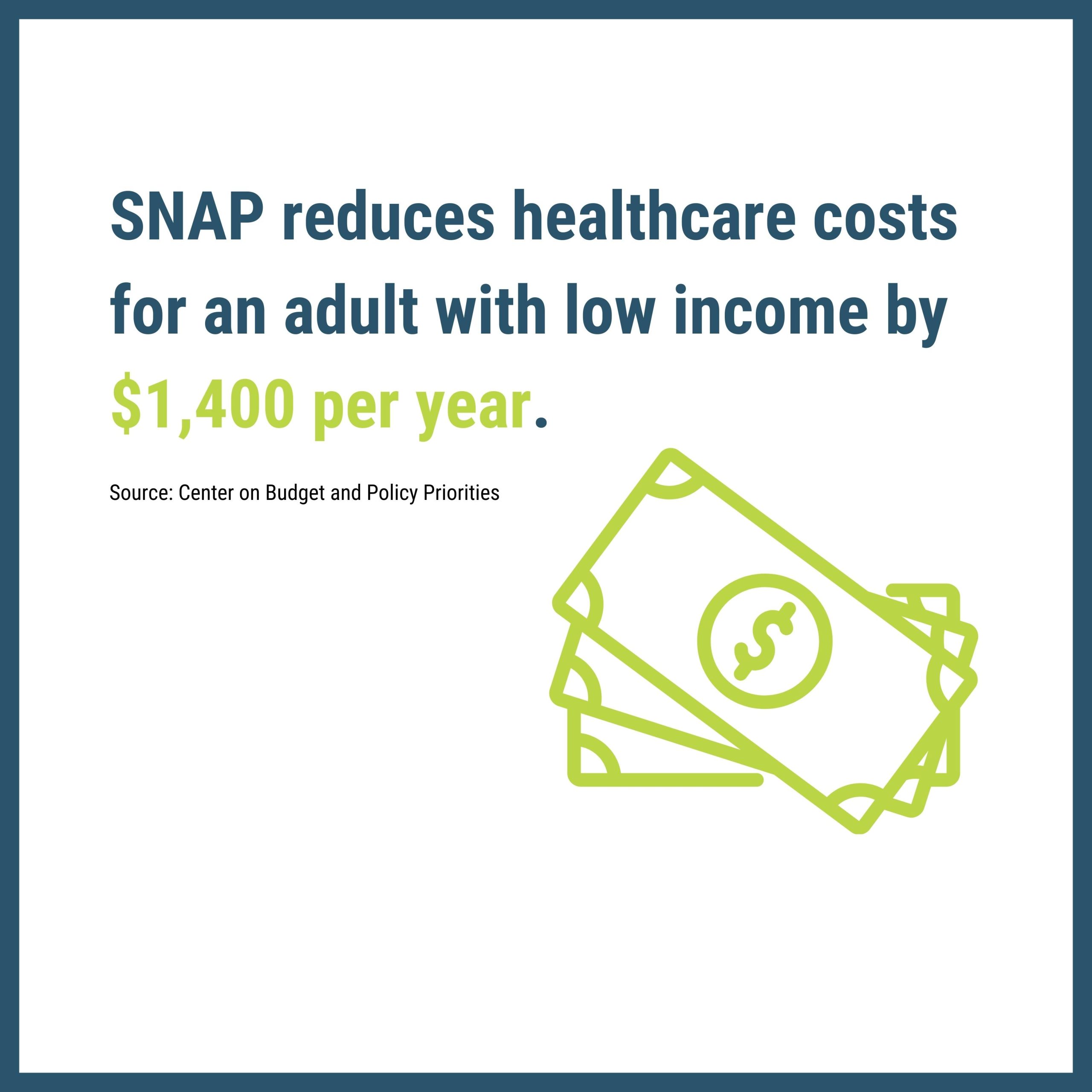
Supplemental Nutrition Assistance Program (SNAP): The largest federal nutrition program. Provides monthly benefits to families with low incomes to buy food.
Farm Bill: The main legislation impacting U.S. food systems. Authorizes certain nutrition programs like SNAP, farm subsidies and supports, and agricultural environmental conservation programs. Renewed about every five years.
Call to Action: Urge your members of Congress to include the Re-Entry Support Through Opportunities for Resources and Essentials (RESTORE) Act in the Farm Bill to ensure that families harmed by the war on drugs have access to SNAP benefits!

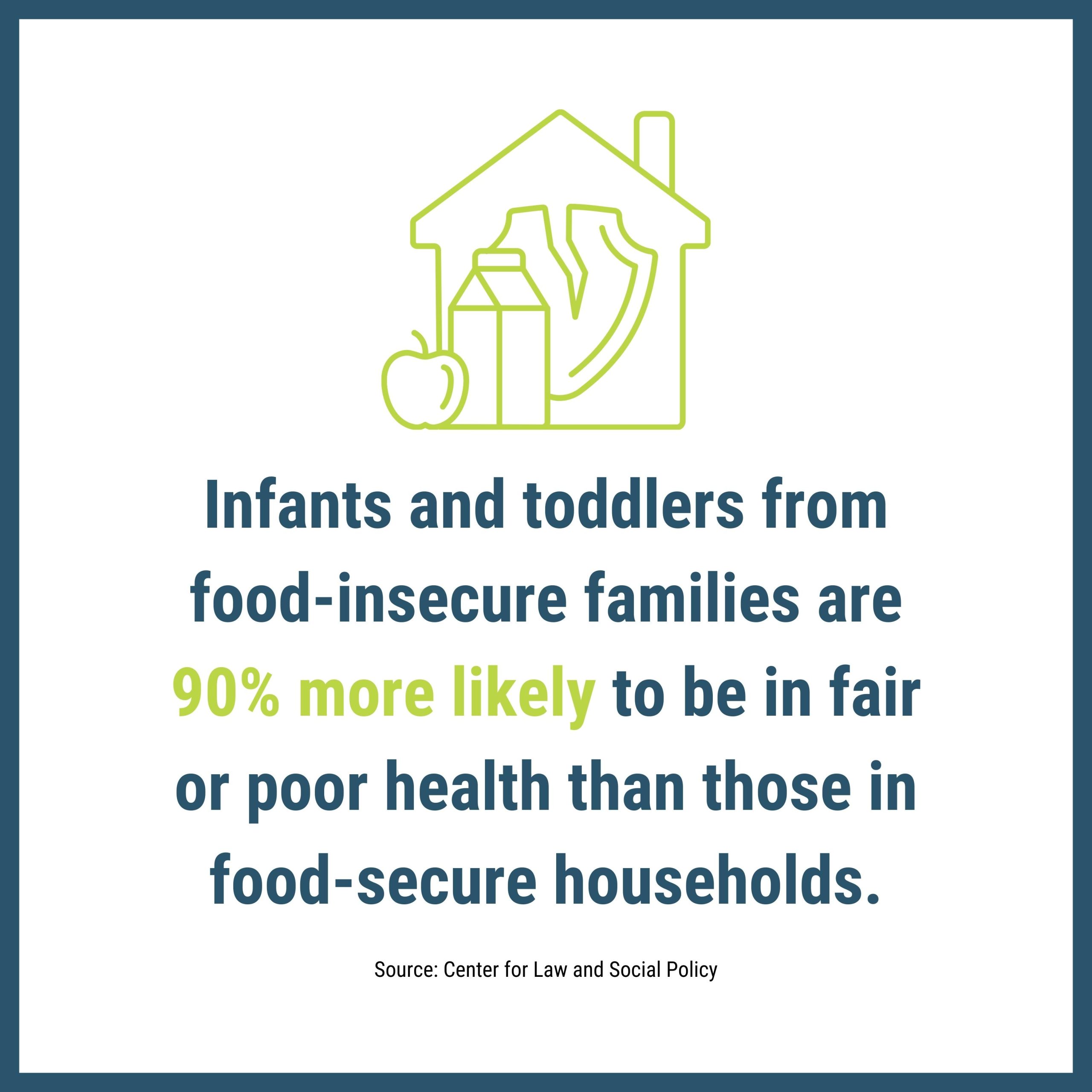
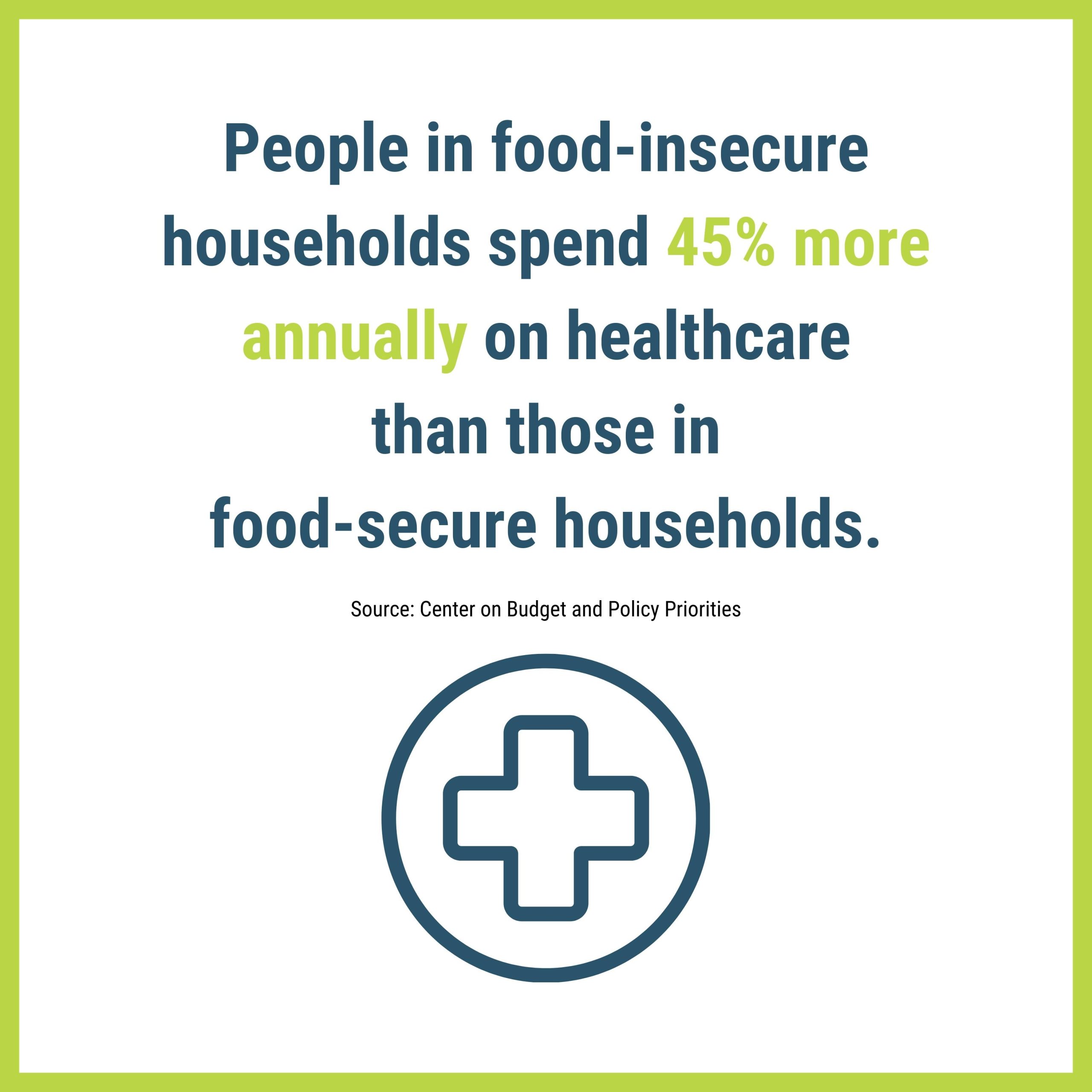
Hunger contributes to poor maternal and child health outcomes in the U.S.
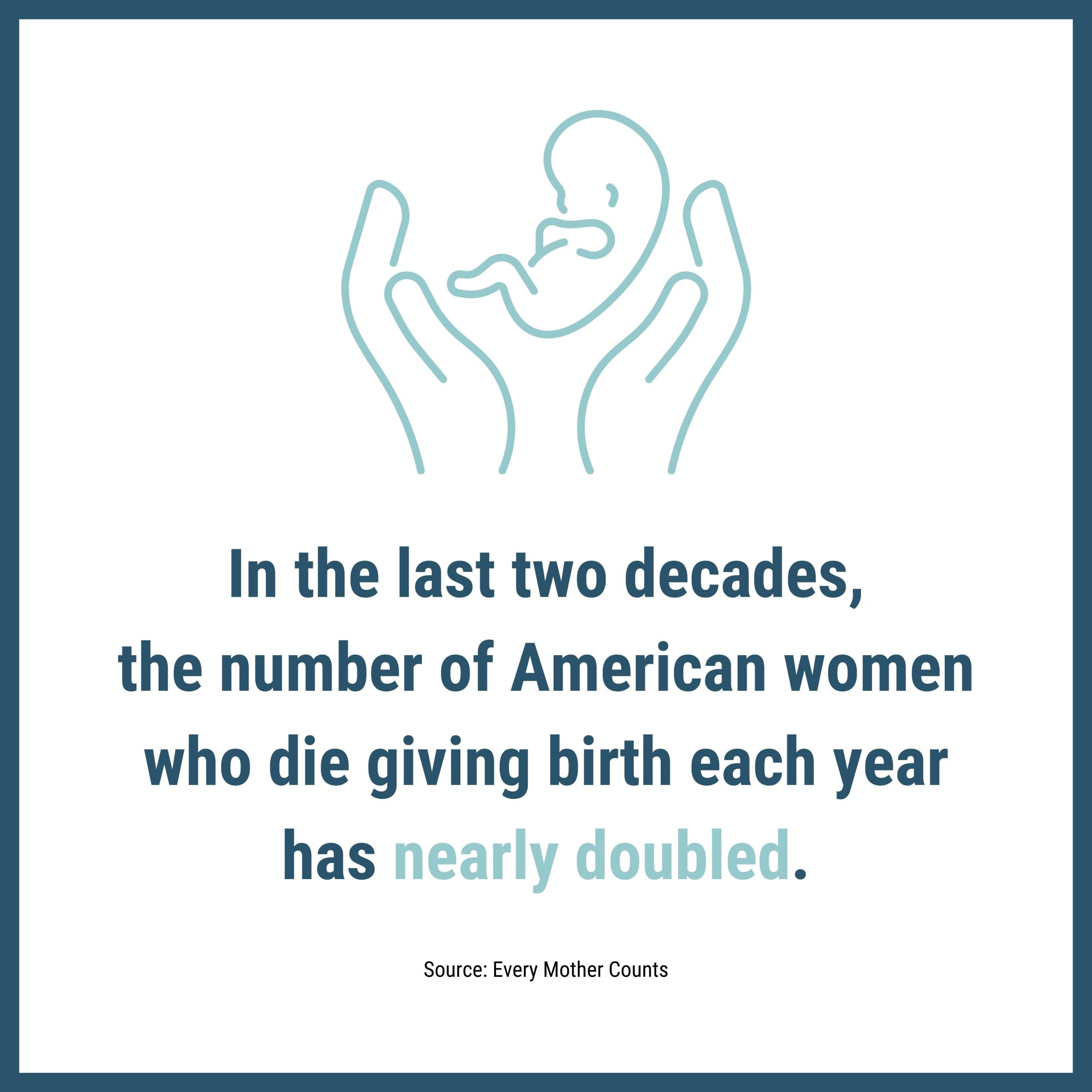
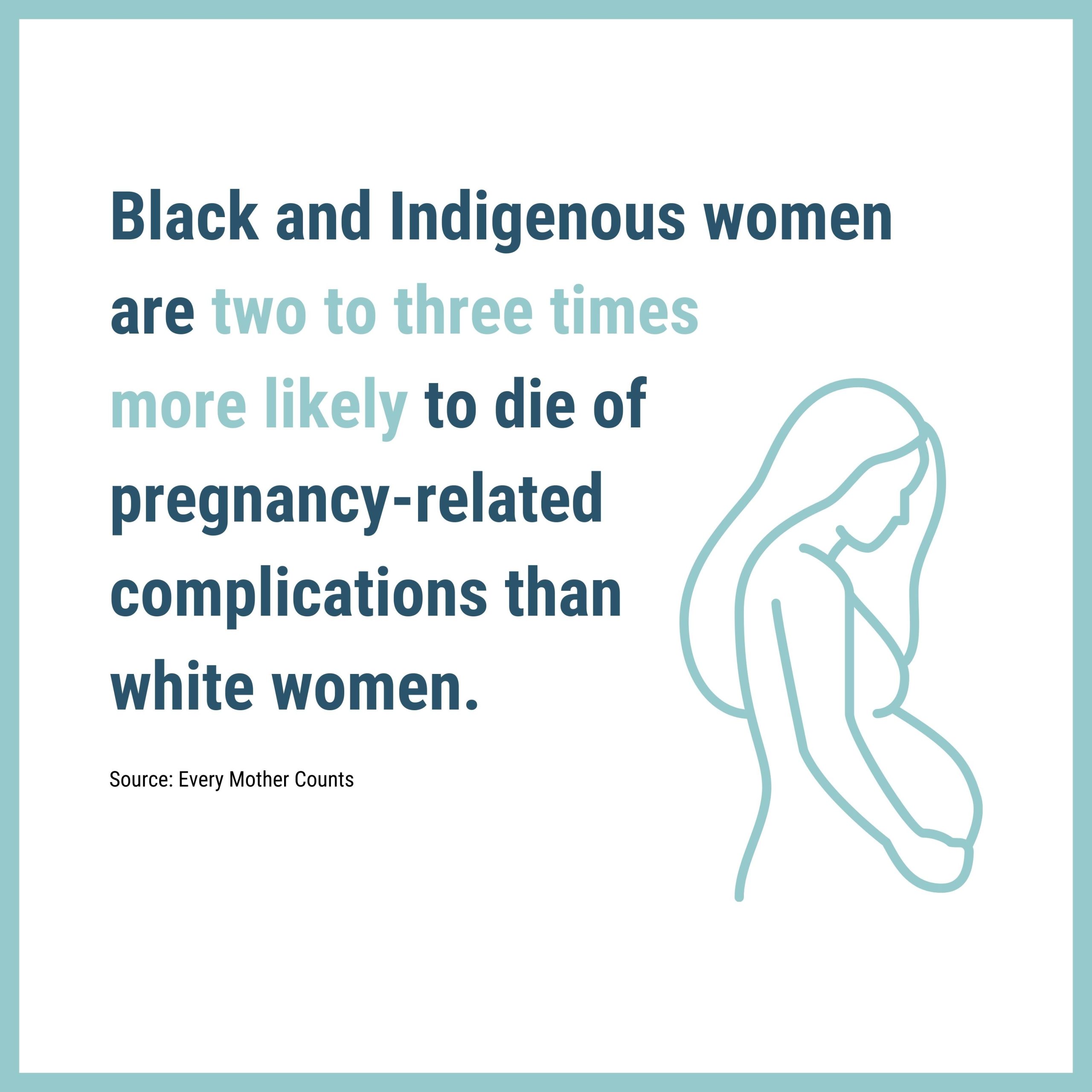
A prosperous society depends on everyone having healthy food to live and thrive, especially children and the people who birth and raise them. Due to systemic barriers, however, households with kids particularly families of color–have lower nutrition access. Maternal and child health outcomes are infamously poor in the U.S.1 and hunger is a significant factor. A federal policy allowing states to ban people with felony drug convictions from benefits under the Supplemental Nutrition Assistance Program (SNAP) can compound hunger and health challenges for moms and kids. In this year’s Farm Bill, our lawmakers in Washington, D.C. can advance health and racial equity through SNAP by repealing the harmful policy allowing states to deny food assistance to families in which someone has a felony drug conviction.
Food insecurity and other systemic disparities lead to worse health outcomes for babies and moms of color, especially Black and multiracial people.
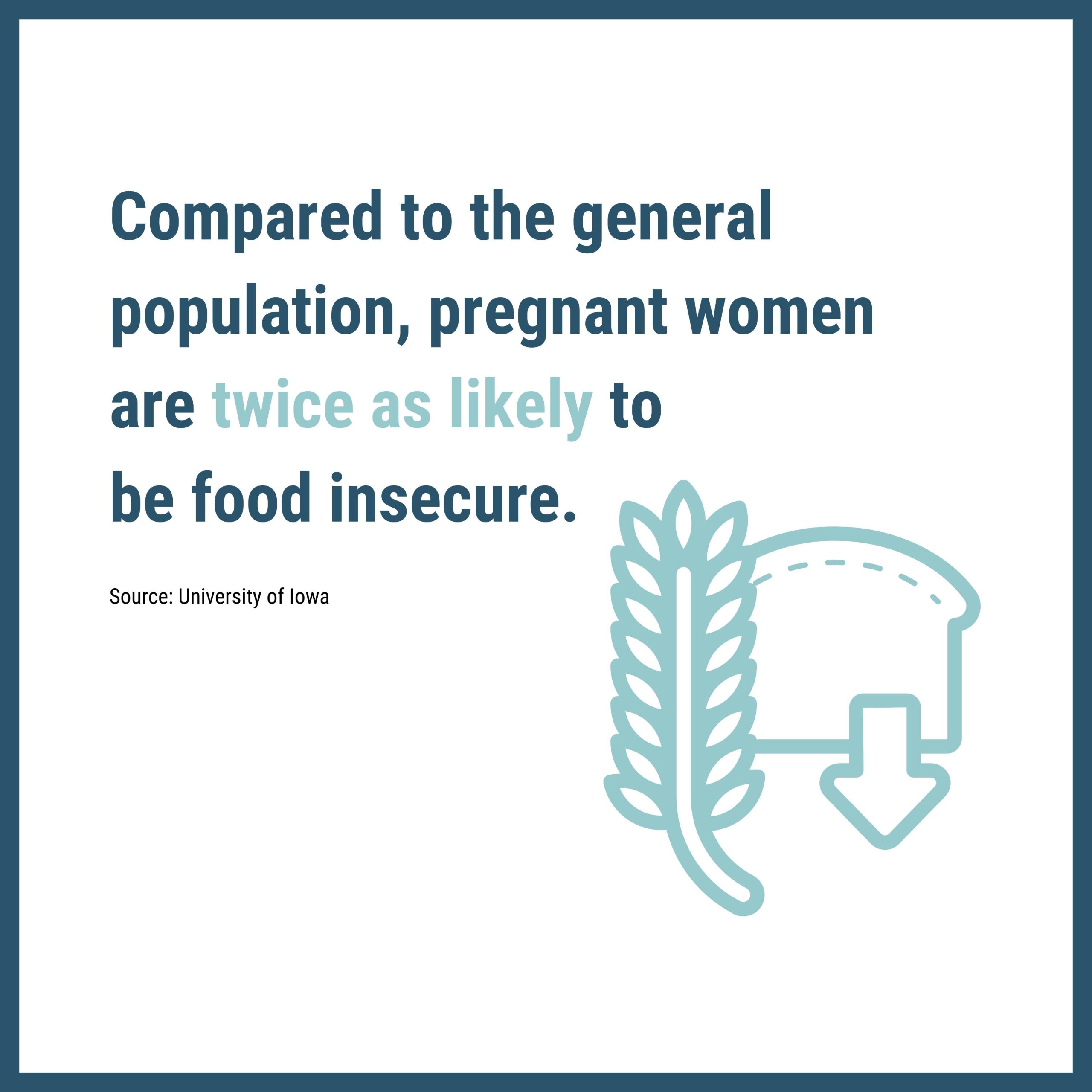
Access to food assistance during pregnancy and a child’s early years has lifelong health benefits that promote academic success and economic security over generations. Among pregnant people, improved food security from supports like SNAP are linked to healthier blood pressure;9 a lower risk of gestational diabetes;10 and reduced levels of stress, anxiety and depression.11 Food assistance provides developing fetuses with the nutrients they need for growth, lowering the risk of congenital disabilities, diabetes and coronary heart disease.12 It also promotes initiation and duration of breastfeeding13 and decreases the odds of preterm birth, low birthweight and infant mortality.14 Young children in struggling families benefit from food assistance, with decreased vulnerability to lead poisoning,15 lower rates of anemia,16 fewer serious asthma episodes17 and improved cognitive development.18
All of this leads to greater academic success, better health and self-sufficiency in adulthood. Rather than restricting SNAP access, we should recognize its value in mitigating the larger social costs of the drug trade and substance use disorder in our communities.
Federal SNAP policy makes it hard for families in many states to move forward. Since 1996, federal law has prohibited individuals with felony drug convictions from receiving SNAP benefits. However, states are allowed to partially or fully waive this restriction. In the past, Michigan waived the ban for people with only one felony drug conviction, but those with two or more arising from separate incidents that occurred after August 22, 1996 were barred for life from receiving food assistance. Through a bipartisan vote, Michigan waived the ban completely in 2020. Today, South Carolina still has a full SNAP ban and 21 other states have a partial ban.2
The ban is unfair in that it punishes people long after they serve their sentences and subjects entire families to hunger. It’s also ineffective: recidivism is lower when people returning to their communities have supports like SNAP3 that make survival needs attainable.
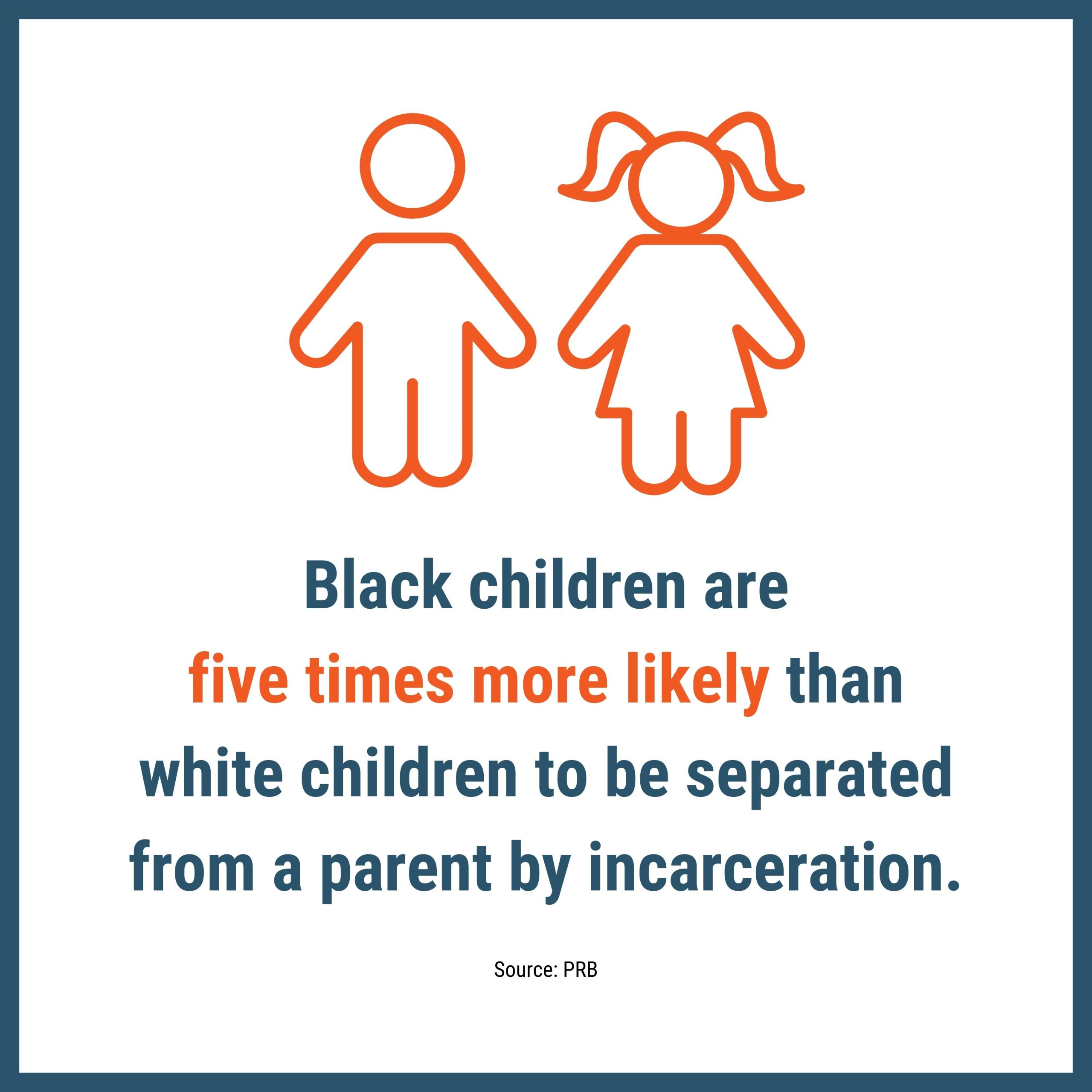
The U.S. war on drugs and, by extension, the SNAP ban have disproportionately targeted people of color, especially Black4 and Indigenous people,5 people with disabilities6 and parents.7 These groups are already less food secure because of systemic disparities. Incarceration and denial of food assistance worsen the resulting health concerns.
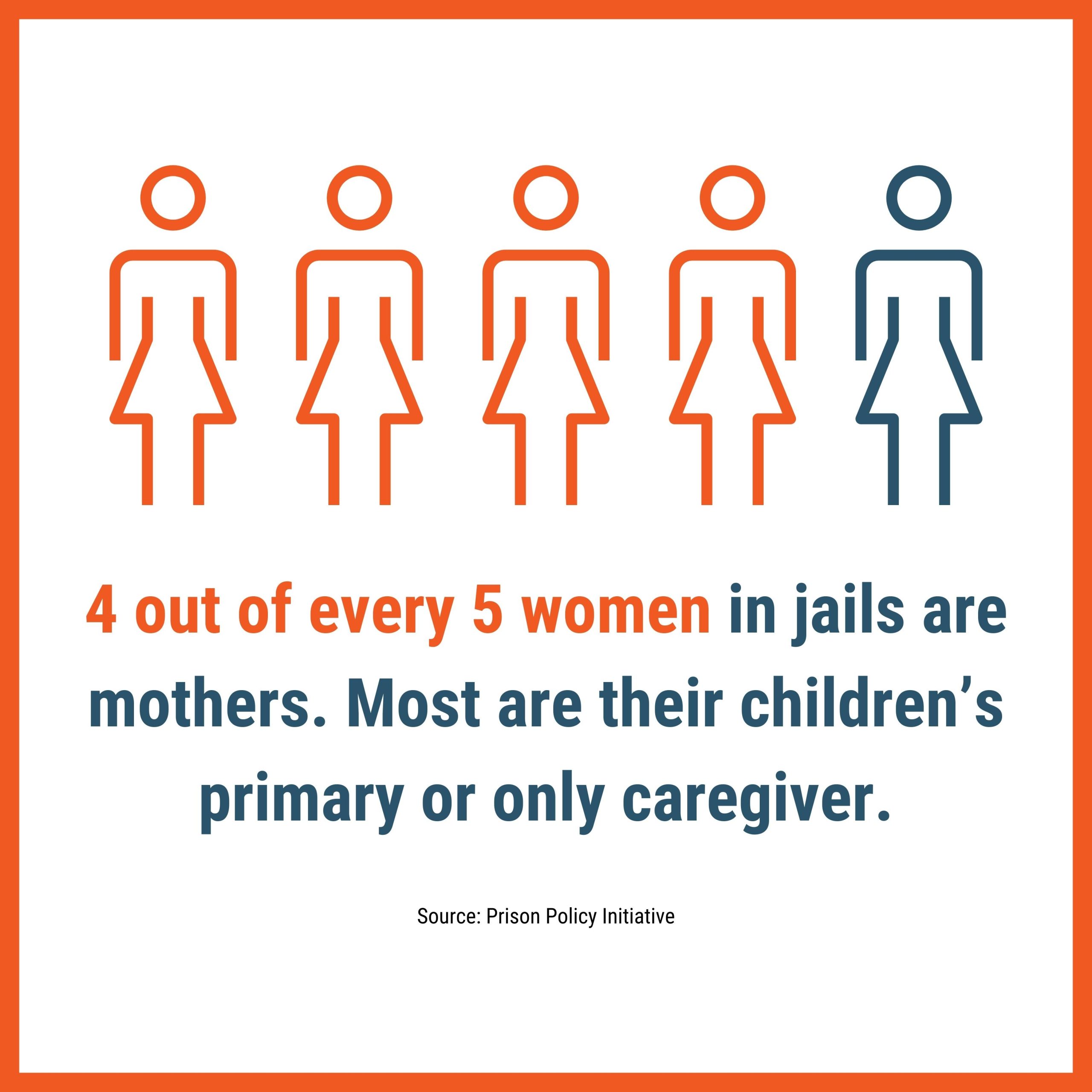
Because the work of raising children remains skewed toward female parents, the impacts of the war on drugs, including hunger, disproportionately ripple out to moms (whether they have a conviction themselves or are supporting a partner with a conviction) and kids. Women are more likely than men to be incarcerated for a drug-related offense.8 Employment opportunities upon release may be even more severely limited, as many female dominated fields like paid caregiving explicitly exclude workers with a criminal history.
The RESTORE Act offers hope. “Tough on crime” policies like the SNAP ban often cause more harm than the actions they supposedly aim to deter. Eliminating the ban is one of the easiest ways to disrupt this destructive dynamic and improve health, especially for moms and kids.
Bipartisan, bicameral federal legislation to repeal the ban nationwide was introduced in May 2023. The measure, named the Re-Entry Support Through Opportunities for Resources and Essentials (RESTORE) Act, could be incorporated into the Farm Bill or enacted separately. No matter how it’s done, Congress must seize this opportunity to advance public safety, food security and health justice for families, no matter which state they call home. End the state option to deny food assistance to families harmed by the failed war on drugs.
End Notes
1 Taylor, Jamila; Novoa, Cristina; and Hamm, Katie. Center for American Progress. (2019). Eliminating Racial Disparities in Maternal and Infant Mortality: A Comprehensive Policy Blueprint. Accessed September 5, 2023.
2 Center for Law and Social Policy. (April 2022). No More Double Punishments: Lifting the Ban on SNAP and TANF for People With Prior Felony Drug Convictions. Accessed August 20, 2023.
3 Yang, Crystal S. (2017). Does public assistance reduce recidivism? American Economic Review, 107(5), 551–555. https://doi.org/10.1257/aer.p20171001
4 Taifa, Nkechi. Brennan Center for Social Justice. (May 10, 2021). Race, Mass Incarceration, and the Disastrous War on Drugs. Accessed August 31, 2023.
5 Daniels, Colleen; Aluso, Aggrey; Burke-Shyne, Naomi; Koram, Kojo; Rajagopalan, Suchitra; Robinson, Imani; Shelly, Shaun; Shirley-Beavan, Sam; and Tandon, Tripti. (2021). Decolonizing Drug Policy. Harm Reduction Journal, 18(1). https://doi.org/10.1186/s12954-021-00564-7
6 Liebowitz, Sarah; Eliasberg, Peter J.; Burnim, Ira A.; and Read, Emily B. ACLU of Southern California and the Bazelon Center for Mental Health Law. (July 2014). A Way Forward: Diverting People with Mental Illness from Inhumane and Expensive Jails into Community-Based Treatment That Works, p. 1. Accessed August 31, 2023.
7 Drug Policy Alliance. (2021). Snapshot: The War on Drugs Meets the Child Welfare System. Accessed August 31, 2023.
8 Kajstura, Aleks and Sawyer, Wendy. Prison Policy Initiative. (2023). Women’s Mass Incarceration: The Whole Pie 2023. Accessed August 31, 2023.
9 Morales, Mary E., Epstein, Michael H., Marable, Danelle E. Oo, Sarah A., and Berkowitz, Seth A. (2016). Food Insecurity and Cardiovascular Health in Pregnant Women: Results From the Food for Families Program, Chelsea, Massachusetts, 2013–2015. Preventing Chronic Disease 13(1): E152. doi:10.5888/pcd13.160212. http://dx.doi.org/10.5888/pcd13.160212
10 Schulz, Eliza and Taylor, Jamila. Center for American Progress. (2018). The Benefits of Nutrition Assistance for African American Maternal and Infant Health. Accessed September 22, 2023.
11 Laraia, Barbara A.; Gamba, Ryan; Saraiva, Carina; Dove, Melanie. S; Marchi, Kristen; and Braveman, Paula. (2022). Severe maternal hardships are associated with food insecurity among low-income/lower-income women during pregnancy: Results from the 2012–2014 California maternal infant health assessment. BMC Pregnancy and Childbirth, 22(1). https://doi.org/10.1186/s12884-022-04464-x
12 Ibid.
13 Schmit, Stephanie; Ullrich, Rebecca; Cole, Patricia; and Gebhard, Barbara. Center for Law and Social Policy. (2017). Nutrition Assistance: A Critical Support for Infants, Toddlers, and Families, p. 2. Accessed on September 22, 2023.
14 Schulz, Eliza and Taylor, Jamila. Center for American Progress. (2018). The Benefits of Nutrition Assistance for African American Maternal and Infant Health. Accessed September 22, 2023.
15 Michigan State University Extension. (2016). Fight Lead With Nutrition. Accessed September 22, 2023.
16 Schmit, Stephanie; Ullrich, Rebecca; Cole, Patricia; and Gebhard, Barbara. Center for Law and Social Policy. (2017). Nutrition Assistance: A Critical Support for Infants, Toddlers, and Families, p. 2. Accessed on September 22, 2023.
17 Heflin, Colleen; Arteaga, Irma; Hodges, Leslie; Ndashiyme, Jean Felix; and Rabbitt, Matthew P. (2019). SNAP benefits and childhood asthma. Social Science and Medicine, 220, 203–211. https://doi.org/10.1016/j.socscimed.2018.11.001
18 Schmit, Stephanie; Ullrich, Rebecca; Cole, Patricia; and Gebhard, Barbara. Center for Law and Social Policy. (2017). Nutrition Assistance: A Critical Support for Infants, Toddlers, and Families, p. 2. Accessed on September 22, 2023.


 Betsy Zobl-Tar
  Jay Cutler joined the League in March 2026 as the Kids Count Senior Data Analyst, where he collects, analyzes, and prepares data for Kids Count in Michigan.
 Danielle Taylor-Basemore joined the League as the Development Data and Stewardship Coordinator in June 2025. She brings with her five years of nonprofit experience with a special focus on community engagement, data visualization and strategic programming. Prior to joining the League, Danielle served as the Business District, Safety, and Digital Manager at Jefferson East, Inc.
 Scott Preston is a Senior Policy Analyst with the Michigan League for Public Policy, where he leads the organization’s immigration and criminal justice reform portfolios. In the three years prior to joining the League, Scott facilitated the Southeast Michigan Refugee Collaborative and managed a small business economic development program at Global Detroit. His work included launching Michigan’s first Refugee Film Festival and building on a trusted connector model that linked marginalized communities with crucial resources. Scott’s work at the League is informed by his background in journalism and research. He spent four years covering the Syrian refugee crisis in the Middle East for publications such as The Economist, and later worked with unaccompanied refugee minors through Samaritas. Scott holds a master’s degree in international migration and public policy from the London School of Economics and Political Science.
 Kate Powers joined the League as the Chief Development Officer in February 2025. Prior to joining the League, Kate held leadership positions at many Michigan nonprofit organizations, most recently serving as the COO and Chief Development Officer of Ele’s Place. Kate has spent the bulk of her career in fundraising, with a short stint in the state Legislature as a legislative aide to members in both chambers. Kate is a graduate of Michigan State University’s James Madison College with a Bachelor of Arts in Social Relations and has a certificate in fundraising management from the Lilly Family School of Philanthropy at Indiana University. Additionally, Kate served on the East Lansing Public Schools Board of Education and is a past President of the Junior League of Lansing. In her free time, she enjoys traveling with her husband and her son and saving outfit of the day and home decor ideas on Pinterest.
  Nicholas Hess joined the League as the Fiscal Policy Analyst in September of 2024. In this role, Nicholas focuses on tax policy, government revenue, and their impact on working families and racial equity, including the effects of the Earned Income Tax Credit (EITC) and Child Tax Credit (CTC). Nicholas values the role that judicious fiscal policy can play in the improvement of people’s lives and the economy, alleviating inequities along the way.
 Audrey Matusz joined the League as the Visual Communications Specialist in September 2024. She supports the team with implementing social media strategies and brainstorming creative ways to talk about public policy. She brings with her nearly a decade of experience in producing digital products for evidence-based social justice initiatives.
  Jacob Kaplan
  Donald Stuckey
  Alexandra Stamm
 Amari Fuller
 Mikell Frey is a communications professional with a passion for using the art of storytelling to positively impact lives. She strongly believes that positive social change can be inspired by the sharing of data-driven information coupled with the unique perspectives of people from all walks of life across Michigan, especially those who have faced extraordinary barriers.



 Yona Isaacs (she/hers) is an Early Childhood Data Analyst for the Kids Count project. After earning her Bachelor of Science in Biopsychology, Cognition, and Neuroscience at the University of Michigan, she began her career as a research coordinator in pediatric psychiatry using data to understand the impacts of brain activity and genetics on children’s behavior and mental health symptoms. This work prompted an interest in exploring social determinants of health and the role of policy in promoting equitable opportunities for all children, families, and communities. She returned to the University of Michigan to complete her Masters in Social Work focused on Social Policy and Evaluation, during which she interned with the ACLU of Michigan’s policy and legislative team and assisted local nonprofit organizations in creating data and evaluation metrics. She currently serves as a coordinator for the Michigan Center for Youth Justice on a project aiming to increase placement options and enhance cultural competency within the juvenile justice system for LGBTQIA+ youth. Yona is eager to put her data skills to work at the League in support of data-driven policies that advocate for equitable access to healthcare, education, economic security, and opportunity for 0-5 year old children. In her free time, she enjoys tackling DIY house projects and trying new outdoor activities with her dog.
 Rachel Richards rejoined the League in December 2020 as the Fiscal Policy Director working on state budget and tax policies. Prior to returning to the League, she served as the Director of Legislative Affairs for the Michigan Department of Treasury, the tax policy analyst and Legislative Director for the Michigan League for Public Policy, and a policy analyst and the Appropriations Coordinator for the Democratic Caucus of the Michigan House of Representatives. She brings with her over a decade of experience in policies focused on economic opportunity, including workforce issues, tax, and state budget.
 Simon Marshall-Shah joined the Michigan League for Public Policy as a State Policy Fellow in August 2019. His work focuses on state policy as it relates to the budget, immigration, health care and other League policy priorities. Before joining the League, he worked in Washington, D.C. at the Association for Community Affiliated Plans (ACAP), providing federal policy and advocacy support to nonprofit, Medicaid health plans (Safety Net Health Plans) related to the ACA Marketplaces as well as Quality & Operations.

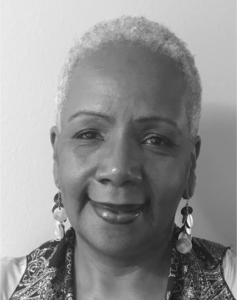 Renell Weathers, Michigan League for Public Policy (MLPP) Community Engagement Consultant. As community engagement consultant, Renell works with organizations throughout the state in connecting the impact of budget and tax policies to their communities. She is motivated by the belief that all children and adults deserve the opportunity to achieve their dreams regardless of race, ethnicity, religion or economic class.
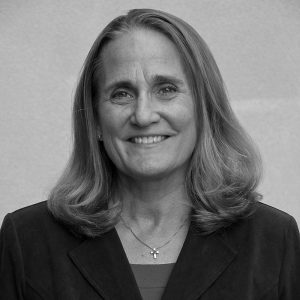


 Emily Jorgensen joined the Michigan League for Public Policy in July 2019. She deeply cares about the well-being of individuals and families and has a great love for Michigan. She is grateful that her position at the League enables her to combine these passions and work to help promote policies that will lead to better opportunities and security for all Michiganders.
 Megan Farnsworth joined the League’s staff in December 2022 as Executive Assistant. Megan is driven by work that is personally fulfilling, and feels honored to help support the work of an organization that pushes for more robust programming and opportunities for the residents of our state. She’s excited and motivated to gain overarching knowledge of the policies and agendas that the League supports.