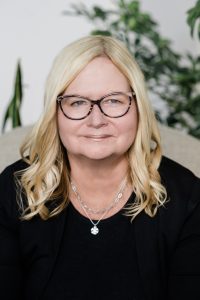
We’re pleased to feature this guest column from Dr. Nicole Hamp, a developmental behavioral pediatric fellow at the University of Michigan/Mott’s Children’s Hospital, and a member of the Think Babies Michigan Collaborative.
A version of this column originally appeared in Bridge Michigan.

Dr. Nicole Hamp
One would think that when I became a parent, I would have been fairly prepared for what was coming my way. After all, in addition to being a board-certified pediatrician, I am receiving additional training as a fellow in developmental-behavioral pediatrics – meaning I have survived four years of medical school, three years of a pediatric residency, and have voluntarily signed up for an additional three years of training in child development and behavior.
Three days after I was discharged from the hospital, and roughly six weeks before I was scheduled for a postpartum check-up with my obstetrician, I had a visit from a home-visiting nurse. It was one visit, a couple of hours long, and it is no exaggeration to say that this single visit substantially changed the course of my postpartum recovery and the next few months with my son. I don’t remember the woman’s name, but I will never forget her face or the kind and patient advice she offered. My son is now almost 2 years old and his father and I still reflect on that visit and how grateful we feel for having been offered the opportunity.
My home visitor was affiliated with the hospital where I delivered. However, home visiting programs exist throughout the state. They are designed to help women have healthy pregnancies and to support families through the early years of raising a child. Home visitors can educate and coach families on issues related to parenting, children’s health and development, and community resources that are available in their area.
The service is free, voluntary, and acts to fulfill a simple goal: build a safe, healthy, and stimulating environment for Michigan children and their parents. Programs are evidence-based and have been linked to promising outcomes for the children and families who participate, including improved parenting capacity, increased school readiness and completion of high school, decreased smoking rates for parents, reduced rates of child abuse, and improved access to prenatal and postpartum care.
Home visiting programs in Michigan served nearly 27,000 families in 2019 – an impressive figure. However, when you consider the overall need for these programs, Michigan is falling short.
For example, in 2020, 2,631 families were enrolled in home visiting programs in Wayne County, but there were an estimated 20,422 families eligible and in need of home visiting services. That means that only 13 percent of eligible Wayne County families were utilizing the program to support their parenting needs. Many other counties throughout the state, particularly those that encompass a large rural area and/or have lower median household incomes, see a need that far outstrips current enrollment. Therefore, it is essential to expand access to evidence-based home visiting services statewide.
In order to maintain and expand home visiting services, Michigan policymakers need to support state general fund dollars of approximately $16 million for evidence-based home visiting programs, as well as the governor’s recommendation to invest an additional $7.4 million in expansion of home visiting and related infrastructure needs. This funding supports eight evidence-based models that deliver services to families across the state in partnership with six state agencies.
Finally, there are significant, and widening, health disparities facing people of color and individuals with low incomes. Home visiting programs can also help ameliorate some of the significant disparities in maternal health outcomes, preterm birth rates, low birth weights, and overall infant mortality/morbidity. Therefore, the state needs to implement policies and procedures that allow for flexibility across programs to support an equitable approach to serve families in ways that address racial, health and geographic disparities.
This is clearly a policy issue that can and should transcend party and county lines. While the governor and the Legislature are continuing to negotiate the 2022 state budget, the initial budget bills passed by the House and Senate included Gov. Gretchen Whitmer’s recommended funding for home visiting.
Parents and medical professionals – and in my case, both – agree that expanding the state’s home visiting program will have many positive benefits on our kids, our families and our state as a whole. I hope all policymakers will continue to make this investment a priority as budget discussions continue.

 Betsy Zobl-Tar
  Jay Cutler joined the League in March 2026 as the Kids Count Senior Data Analyst, where he collects, analyzes, and prepares data for Kids Count in Michigan.
 Danielle Taylor-Basemore joined the League as the Development Data and Stewardship Coordinator in June 2025. She brings with her five years of nonprofit experience with a special focus on community engagement, data visualization and strategic programming. Prior to joining the League, Danielle served as the Business District, Safety, and Digital Manager at Jefferson East, Inc.
 Scott Preston is a Senior Policy Analyst with the Michigan League for Public Policy, where he leads the organization’s immigration and criminal justice reform portfolios. In the three years prior to joining the League, Scott facilitated the Southeast Michigan Refugee Collaborative and managed a small business economic development program at Global Detroit. His work included launching Michigan’s first Refugee Film Festival and building on a trusted connector model that linked marginalized communities with crucial resources. Scott’s work at the League is informed by his background in journalism and research. He spent four years covering the Syrian refugee crisis in the Middle East for publications such as The Economist, and later worked with unaccompanied refugee minors through Samaritas. Scott holds a master’s degree in international migration and public policy from the London School of Economics and Political Science.
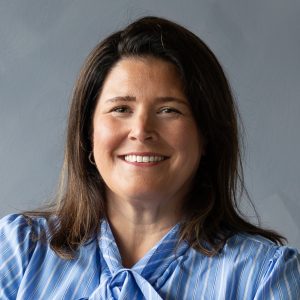 Kate Powers joined the League as the Chief Development Officer in February 2025. Prior to joining the League, Kate held leadership positions at many Michigan nonprofit organizations, most recently serving as the COO and Chief Development Officer of Ele’s Place. Kate has spent the bulk of her career in fundraising, with a short stint in the state Legislature as a legislative aide to members in both chambers. Kate is a graduate of Michigan State University’s James Madison College with a Bachelor of Arts in Social Relations and has a certificate in fundraising management from the Lilly Family School of Philanthropy at Indiana University. Additionally, Kate served on the East Lansing Public Schools Board of Education and is a past President of the Junior League of Lansing. In her free time, she enjoys traveling with her husband and her son and saving outfit of the day and home decor ideas on Pinterest.
  Nicholas Hess joined the League as the Fiscal Policy Analyst in September of 2024. In this role, Nicholas focuses on tax policy, government revenue, and their impact on working families and racial equity, including the effects of the Earned Income Tax Credit (EITC) and Child Tax Credit (CTC). Nicholas values the role that judicious fiscal policy can play in the improvement of people’s lives and the economy, alleviating inequities along the way.
 Audrey Matusz joined the League as the Visual Communications Specialist in September 2024. She supports the team with implementing social media strategies and brainstorming creative ways to talk about public policy. She brings with her nearly a decade of experience in producing digital products for evidence-based social justice initiatives.
  Jacob Kaplan
  Donald Stuckey
  Alexandra Stamm
 Amari Fuller
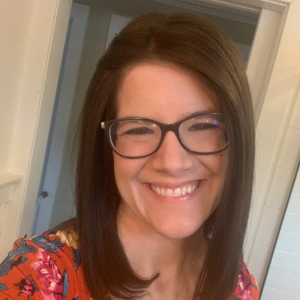 Mikell Frey is a communications professional with a passion for using the art of storytelling to positively impact lives. She strongly believes that positive social change can be inspired by the sharing of data-driven information coupled with the unique perspectives of people from all walks of life across Michigan, especially those who have faced extraordinary barriers.



 Yona Isaacs (she/hers) is an Early Childhood Data Analyst for the Kids Count project. After earning her Bachelor of Science in Biopsychology, Cognition, and Neuroscience at the University of Michigan, she began her career as a research coordinator in pediatric psychiatry using data to understand the impacts of brain activity and genetics on children’s behavior and mental health symptoms. This work prompted an interest in exploring social determinants of health and the role of policy in promoting equitable opportunities for all children, families, and communities. She returned to the University of Michigan to complete her Masters in Social Work focused on Social Policy and Evaluation, during which she interned with the ACLU of Michigan’s policy and legislative team and assisted local nonprofit organizations in creating data and evaluation metrics. She currently serves as a coordinator for the Michigan Center for Youth Justice on a project aiming to increase placement options and enhance cultural competency within the juvenile justice system for LGBTQIA+ youth. Yona is eager to put her data skills to work at the League in support of data-driven policies that advocate for equitable access to healthcare, education, economic security, and opportunity for 0-5 year old children. In her free time, she enjoys tackling DIY house projects and trying new outdoor activities with her dog.
 Rachel Richards rejoined the League in December 2020 as the Fiscal Policy Director working on state budget and tax policies. Prior to returning to the League, she served as the Director of Legislative Affairs for the Michigan Department of Treasury, the tax policy analyst and Legislative Director for the Michigan League for Public Policy, and a policy analyst and the Appropriations Coordinator for the Democratic Caucus of the Michigan House of Representatives. She brings with her over a decade of experience in policies focused on economic opportunity, including workforce issues, tax, and state budget.
 Simon Marshall-Shah joined the Michigan League for Public Policy as a State Policy Fellow in August 2019. His work focuses on state policy as it relates to the budget, immigration, health care and other League policy priorities. Before joining the League, he worked in Washington, D.C. at the Association for Community Affiliated Plans (ACAP), providing federal policy and advocacy support to nonprofit, Medicaid health plans (Safety Net Health Plans) related to the ACA Marketplaces as well as Quality & Operations.

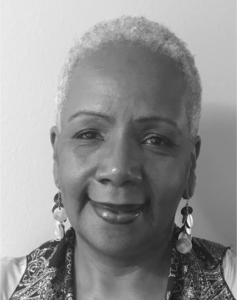 Renell Weathers, Michigan League for Public Policy (MLPP) Community Engagement Consultant. As community engagement consultant, Renell works with organizations throughout the state in connecting the impact of budget and tax policies to their communities. She is motivated by the belief that all children and adults deserve the opportunity to achieve their dreams regardless of race, ethnicity, religion or economic class.
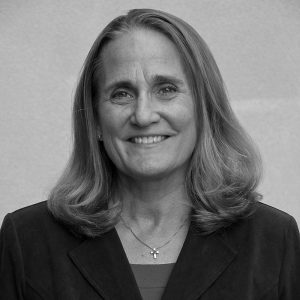


 Emily Jorgensen joined the Michigan League for Public Policy in July 2019. She deeply cares about the well-being of individuals and families and has a great love for Michigan. She is grateful that her position at the League enables her to combine these passions and work to help promote policies that will lead to better opportunities and security for all Michiganders.
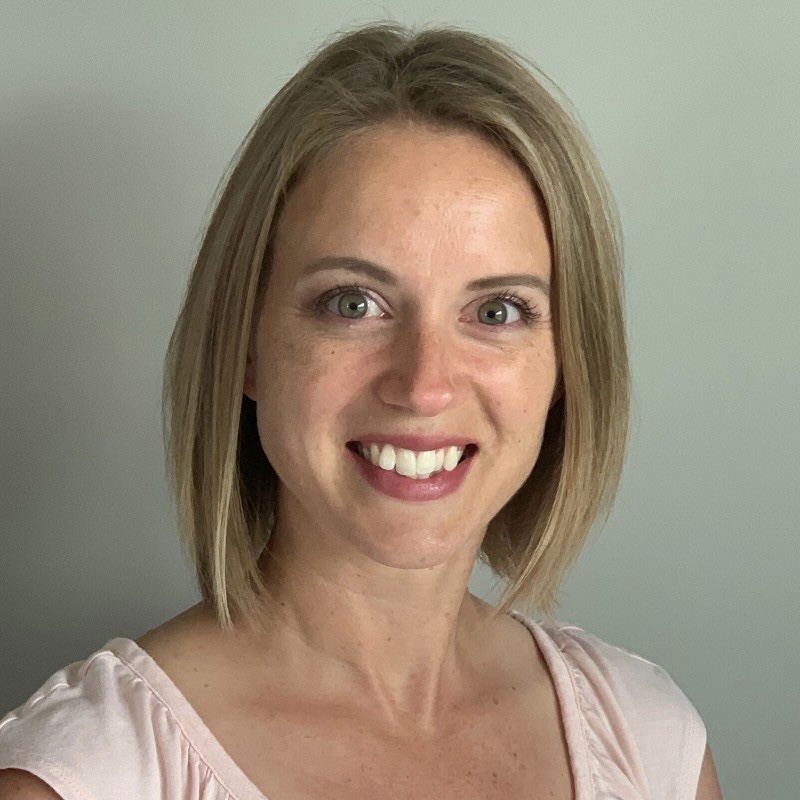 Megan Farnsworth joined the League’s staff in December 2022 as Executive Assistant. Megan is driven by work that is personally fulfilling, and feels honored to help support the work of an organization that pushes for more robust programming and opportunities for the residents of our state. She’s excited and motivated to gain overarching knowledge of the policies and agendas that the League supports.