As the Legislature gets closer to finalizing the 2017 state budget, the League continues to advocate for services for low-income children and families, unemployed adults and persons with disabilities. The League’s priorities for 2017 include a restoration of cuts in food assistance benefits, better access to preventive dental services for children and adults, an expansion of the school clothing allowance for children in families receiving income assistance, and more funding to prevent child abuse and neglect.
 Both the House and Senate have approved their versions of the 2017 budget for the Department of Health and Human Services (DHHS). On May 17th, state economists and budget experts will meet with legislators to reassess expected state revenues and set final spending targets. With legislators on the fast track—determined to send final budgets to the governor by the end of May—joint House/Senate conference committees are expected to meet right after the May 17th Consensus Revenue Estimating Conference to iron out differences between the House and Senate versions.
This report highlights the DHHS budgets that were approved by the House and Senate, with a focus on decisions that will need to be made before the budget is finalized.
Health
Flint Emergency Funds: In response to Flint’s lead exposure crisis, the governor recommended $15.1 million ($9.1 million in state funds) for partial-year funding of public health services. Funds are to be used for food inspections and nutritional services, child and adolescent health centers and school health services, community mental health services for children with elevated lead levels, and lead investigations and abatements. Additional funding could come from a $50 million Flint Emergency Reserve Fund in the Department of Technology, Management and Budget.
- Senate: The Senate included the governor’s recommended funding for public health services for Flint. The Senate also included a placeholder in the budget to ensure discussion of potential increases for Michigan’s 2-1-1 system during conference committee deliberations.
- House: The House agreed with the governor on public health funding for Flint. The House also included a $950,000 increase in state funding for Michigan’s 2-1-1 system, with $500,000 as one-time funding for additional support during emergency and disaster events.
The League supports the governor’s funding recommendations related to the Flint crisis in multiple state departments, including public health enhancements in the DHHS 2017 budget. Investments in Flint in the 2017 budget are only a part of the solution to the long-term health, infrastructure, housing and economic needs in Flint and other Michigan communities. The state must evaluate and reform its tax system to ensure that adequate resources are available to fix the problems in Flint and prevent similar crises in other areas of the state.
Healthy Kids Dental: The governor recommended an investment of $25.6 million ($8.9 million in state funds) to complete the expansion of the Healthy Kids Dental program to the estimated 131,000 Medicaid-eligible children in Kent, Oakland and Wayne counties who are not currently eligible for the program.
- Both the House and Senate agreed with the governor on the Healthy Kids Dental expansion.
The League supports this much-needed expansion that will make the program available to all eligible children statewide. Tooth decay is the most prevalent chronic disease in children, resulting in lost school days as well as the potential for long-term health consequences.
Adult Dental: The governor did not recommend an increase in funding for adult dental services in his 2017 budget proposal.
- Senate: The Senate included $23 million ($8 million in state funds) for a contract with a managed care organization for the administration of the Medicaid adult dental benefit. The program would begin in July of 2017 and would address the problems adults insured by Medicaid have finding dentists who will provide their care.
- House: The House followed the governor’s lead and did not provide additional funding for adult dental care.
The League supports the Senate budget expansion of access to dental services for adults. Nationwide, the erosion of private dental insurance, the increased cost of dental care and the limited number of dentists that accept public insurance have resulted in increased emergency room visits related to dental emergencies and barriers to employment.
Healthy Michigan Plan: The governor included the state funds needed to continue the Healthy Michigan Plan when federal funding declines from 100% to 95% on January 1, 2017—approximately $109 million.
- Senate: The Senate funded the state portion of the Healthy Michigan Plan. In addition, the Senate allocated $1 million to Medicaid health plans to inform residents about Healthy Michigan Plan incentives shown to improve health outcomes, but prohibited the department from using funds to advertise enrollment in the Healthy Michigan Plan.
- House: The House followed the governor’s lead and included the state’s required contribution to the Healthy Michigan Plan. In addition, the House removed $19.5 million ($5.6 million in state funds) for the Healthy Michigan Plan call center, and reduced marketing and advertising for the program by $1 million ($500,000 in state funding).
The League supports the governor’s recommendation to provide the needed state funds to continue the Healthy Michigan Plan and opposes House and Senate proposals to limit outreach for the program.
Funding for Specialty Drugs for Medicaid Enrollees: The governor added $195 million total ($70 million in state funds) to cover the Medicaid cost of drugs now available to treat Hepatitis C and cystic fibrosis. Total state costs are expected to exceed $394 million next year. The governor also included $86 million in a reserve fund to cover potential costs related to other emerging drugs.
- Senate: The Senate retained the governor’s recommendation for specialty drugs, for total spending of $394 million in the 2017 budget year. The Senate reduced the reserve fund from the governor’s recommendation of $86 million to approximately $57 million.
- House: The House added $113 million for specialty drugs (down from the governor’s recommendation of an additional $195 million), with expected total spending in 2017 of $246 million. The House cut the governor’s proposed reserve fund by half to $43 million.
The League supports adequate funding for specialty drugs for Medicaid enrollees, as well as the reserve fund recommended by the governor. These new drugs, while expensive, have the potential to prolong life, and in the case of Hepatitis C, potentially cure.
Proposal to Integrate Physical and Behavioral Health Services: The governor included budget language to transfer funding for all mental health and substance use disorder services for Medicaid and Healthy Michigan Plan beneficiaries, as well as autism services, to Medicaid Health Plans by September 30, 2017. The governor’s proposal required Medicaid health plans to contract with Community Mental Health Services programs for specialty services and supports.
- Senate: The Senate replaced the governor’s proposal with new budget language that requires a workgroup to develop plans for increasing the integration of behavioral and physical healthcare and related reforms.
- House: The House also rejected the governor’s budget language and instead established a process for determining the best financing model and policies to integrate behavioral and physical health services for persons with mental illnesses, developmental disabilities and substance use disorders. The House established goals for the process, and recommended pilot projects prior to statewide implementation.
The League supports a thorough and thoughtful planning process to determine the best approach to the integration of behavioral and physical health services that includes all major stakeholders. The League is a member of the current DHHS behavioral health workgroup addressing the issue.
Selected Medicaid Provider Rates: Both the House and Senate included rate increases for some Medicaid providers that were not in the governor’s budget.
- Senate: The Senate added $21.3 million ($7.4 million in state funds) to increase Medicaid primary care provider rates by 6%. The Senate also increased Medicaid private duty nursing rates by 20% at a cost of $6.6 million ($2.3 million in state funds), restored funding ($2.5 million in state funds) for hospice services, and included a placeholder in the budget to ensure discussion in conference committee of a wage increase for mental health direct care workers.
- House: The House included $3.3 million ($1.2 million in state funds) for a 10% rate increase for private duty nursing services for Medicaid beneficiaries under the age of 21. The House also includes $1.8 million in state funding to support a 1.5% increase in non-Medicaid mental health services provided by Community Mental Health Services programs. Finally, the House requires the DHHS to commission a study on funding strategies to maximize Medicaid reimbursements for children eligible for early intervention services through Early On.
The League supports the Senate proposal to increase Medicaid primary care provider rates. Access to primary care is a problem in both rural and some urban areas, and addressing Medicaid reimbursement rates for primary care physicians is a critical step toward comprehensive, preventive care for families and individuals.
The League supports state funding for early intervention services through Early On, beginning with a study of the feasibility of maximizing that investment through Medicaid. Michigan’s Early On program has been historically underfunded and serves only one-third of the estimated 53,000 infants and toddlers, birth to age 3, with established developmental delays or conditions.
The League supports Senate increases for private duty nurses for Medicaid beneficiaries as a way to ensure high- quality services and allow children and adults with complex medical needs to remain in the most homelike setting possible, as well as increases in hospice services and payments for mental health direct care workers.
Human Services
Food Assistance: The governor’s budget projected a drop in the number of families receiving food assistance through the Food Assistance Program (FAP), and failed to address policies that have restricted access to food—including an asset test for FAP recipients, and the state’s decision to not participate in the federal “Heat and Eat” program after federal changes increased the state cost slightly.
- Senate: The Senate concurred with the governor.
- House: The House included $141 million ($3.2 million in state funds) to restore cuts in FAP benefits for about 150,000 families as a result of the state’s decision in 2014 to not participate in the federal “Heat and Eat” program.
The League supports the House restoration of federally funded food assistance benefits. By investing approximately $3 million in state funds, Michigan will be able to draw down $140 million in federal dollars and restore approximately $76 per month in food assistance for 150,000 low-income households. The League also strongly supports the removal of the state asset test for FAP. Michigan is one of a dwindling number of states that imposes the test for the 100% federally funded program.
Income Assistance: The governor recommended an increase in the school clothing allowance for children living in families receiving benefits from the Family Independence Program (FIP), at an additional cost of $6.1 million. The governor expanded eligibility for the program to an estimated 25,000 school-age children by providing benefits to all children instead of only those living with grandparents or other caretakers not receiving FIP benefits. The governor also increased the annual benefit from $140 per child to $200.
The governor’s budget did not reverse state policies that have resulted in a drop in the number of families receiving FIP assistance from nearly 80,000 in 2011 to an estimated 25,000 next year, including strict lifetime limits on the receipt of assistance, and the sanctioning of an entire family if one child is truant.
- Senate: The Senate included $3.4 million to expand the FIP clothing allowance to all school-age children, but left the per-child annual benefit at its current level of $140.
- House: The House agreed with the governor’s proposal to expand the FIP school clothing allowance to all school-age children, but increased the per-child annual benefit from $140 to $170, at a cost of $4.8 million.
The League supports the governor’s proposal to expand the school clothing allowance. The maximum monthly FIP payment for a family of three is $492, or less than one-third of the federal poverty level, making it nearly impossible for families to provide basic school clothing for their children without additional support.
Child Abuse and Neglect: The governor provided $10 million in federal funding for an expansion of family preservation programs, including the Parent Partner Program and Family Reunification. The programs prevent the need for foster care and ensure that children are more quickly reunified with their parents when it is safe to do so.
- Senate: The Senate included $3.1 million in federal funds for the expansion of family preservation services.
- House: The House included a $3.4 million increase in federal funding for family preservation programs.
The League supports the governor’s proposal to expand family preservation programs by $10 million. While the number of children in families investigated for child abuse and neglect, as well as the number of victims, rose between 2006 and 2014, funding for prevention services has declined or remained stagnant.

 Jay Cutler joined the League in March 2026 as the Kids Count Senior Data Analyst, where he collects, analyzes, and prepares data for Kids Count in Michigan.
 Danielle Taylor-Basemore joined the League as the Development Data and Stewardship Coordinator in June 2025. She brings with her five years of nonprofit experience with a special focus on community engagement, data visualization and strategic programming. Prior to joining the League, Danielle served as the Business District, Safety, and Digital Manager at Jefferson East, Inc.
 Scott Preston is a Senior Policy Analyst with the Michigan League for Public Policy, where he leads the organization’s immigration and criminal justice reform portfolios. In the three years prior to joining the League, Scott facilitated the Southeast Michigan Refugee Collaborative and managed a small business economic development program at Global Detroit. His work included launching Michigan’s first Refugee Film Festival and building on a trusted connector model that linked marginalized communities with crucial resources. Scott’s work at the League is informed by his background in journalism and research. He spent four years covering the Syrian refugee crisis in the Middle East for publications such as The Economist, and later worked with unaccompanied refugee minors through Samaritas. Scott holds a master’s degree in international migration and public policy from the London School of Economics and Political Science.
 Kate Powers joined the League as the Chief Development Officer in February 2025. Prior to joining the League, Kate held leadership positions at many Michigan nonprofit organizations, most recently serving as the COO and Chief Development Officer of Ele’s Place. Kate has spent the bulk of her career in fundraising, with a short stint in the state Legislature as a legislative aide to members in both chambers. Kate is a graduate of Michigan State University’s James Madison College with a Bachelor of Arts in Social Relations and has a certificate in fundraising management from the Lilly Family School of Philanthropy at Indiana University. Additionally, Kate served on the East Lansing Public Schools Board of Education and is a past President of the Junior League of Lansing. In her free time, she enjoys traveling with her husband and her son and saving outfit of the day and home decor ideas on Pinterest.
  Nicholas Hess joined the League as the Fiscal Policy Analyst in September of 2024. In this role, Nicholas focuses on tax policy, government revenue, and their impact on working families and racial equity, including the effects of the Earned Income Tax Credit (EITC) and Child Tax Credit (CTC). Nicholas values the role that judicious fiscal policy can play in the improvement of people’s lives and the economy, alleviating inequities along the way.
 Audrey Matusz joined the League as the Visual Communications Specialist in September 2024. She supports the team with implementing social media strategies and brainstorming creative ways to talk about public policy. She brings with her nearly a decade of experience in producing digital products for evidence-based social justice initiatives.
  Jacob Kaplan
  Donald Stuckey
  Alexandra Stamm
 Amari Fuller
 Mikell Frey is a communications professional with a passion for using the art of storytelling to positively impact lives. She strongly believes that positive social change can be inspired by the sharing of data-driven information coupled with the unique perspectives of people from all walks of life across Michigan, especially those who have faced extraordinary barriers.


 Yona Isaacs (she/hers) is an Early Childhood Data Analyst for the Kids Count project. After earning her Bachelor of Science in Biopsychology, Cognition, and Neuroscience at the University of Michigan, she began her career as a research coordinator in pediatric psychiatry using data to understand the impacts of brain activity and genetics on children’s behavior and mental health symptoms. This work prompted an interest in exploring social determinants of health and the role of policy in promoting equitable opportunities for all children, families, and communities. She returned to the University of Michigan to complete her Masters in Social Work focused on Social Policy and Evaluation, during which she interned with the ACLU of Michigan’s policy and legislative team and assisted local nonprofit organizations in creating data and evaluation metrics. She currently serves as a coordinator for the Michigan Center for Youth Justice on a project aiming to increase placement options and enhance cultural competency within the juvenile justice system for LGBTQIA+ youth. Yona is eager to put her data skills to work at the League in support of data-driven policies that advocate for equitable access to healthcare, education, economic security, and opportunity for 0-5 year old children. In her free time, she enjoys tackling DIY house projects and trying new outdoor activities with her dog.
 Rachel Richards rejoined the League in December 2020 as the Fiscal Policy Director working on state budget and tax policies. Prior to returning to the League, she served as the Director of Legislative Affairs for the Michigan Department of Treasury, the tax policy analyst and Legislative Director for the Michigan League for Public Policy, and a policy analyst and the Appropriations Coordinator for the Democratic Caucus of the Michigan House of Representatives. She brings with her over a decade of experience in policies focused on economic opportunity, including workforce issues, tax, and state budget.
 Simon Marshall-Shah joined the Michigan League for Public Policy as a State Policy Fellow in August 2019. His work focuses on state policy as it relates to the budget, immigration, health care and other League policy priorities. Before joining the League, he worked in Washington, D.C. at the Association for Community Affiliated Plans (ACAP), providing federal policy and advocacy support to nonprofit, Medicaid health plans (Safety Net Health Plans) related to the ACA Marketplaces as well as Quality & Operations.

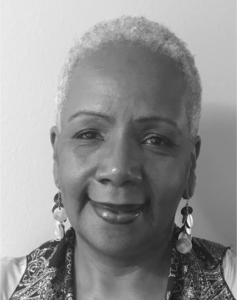 Renell Weathers, Michigan League for Public Policy (MLPP) Community Engagement Consultant. As community engagement consultant, Renell works with organizations throughout the state in connecting the impact of budget and tax policies to their communities. She is motivated by the belief that all children and adults deserve the opportunity to achieve their dreams regardless of race, ethnicity, religion or economic class.
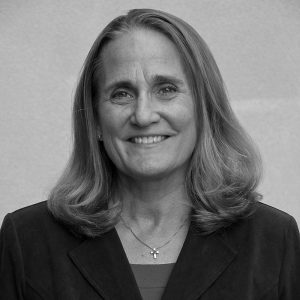


 Emily Jorgensen joined the Michigan League for Public Policy in July 2019. She deeply cares about the well-being of individuals and families and has a great love for Michigan. She is grateful that her position at the League enables her to combine these passions and work to help promote policies that will lead to better opportunities and security for all Michiganders.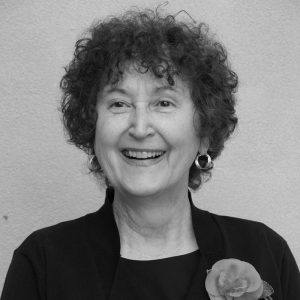
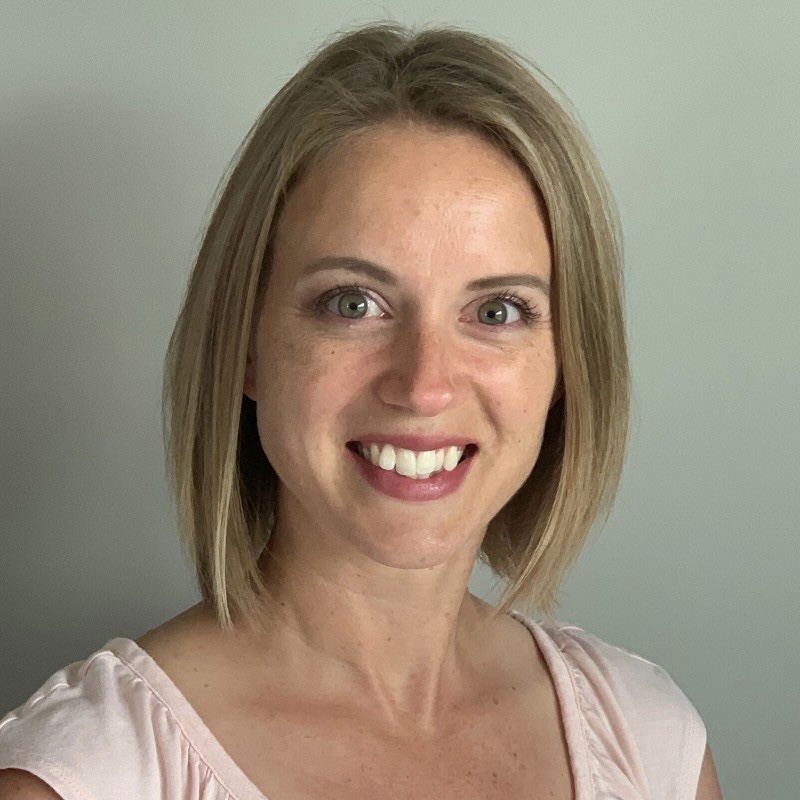 Megan Farnsworth joined the League’s staff in December 2022 as Executive Assistant. Megan is driven by work that is personally fulfilling, and feels honored to help support the work of an organization that pushes for more robust programming and opportunities for the residents of our state. She’s excited and motivated to gain overarching knowledge of the policies and agendas that the League supports.