
Both the Michigan Senate and House have approved budget bills for 2019 that do little to address continuing high levels of poverty for children and their families. While unemployment has fallen statewide, more than half of the state’s African-American children live in families where no parent has full-time, year-round employment, along with 40% of Latinx children. For many families, the only jobs available are low-wage and lack benefits, leaving parents struggling to make ends meet. 
The result has been stubbornly high rates of poverty, affecting one of every five children in Michigan. Children of color are two to three times more likely to live in poverty, including 42% of African-American children and 30% of Latinx children—compared to 15% of White children.
Differences in economic security and opportunity are at the core of racial and ethnic inequities for children of color in Michigan. Those inequities stem from longstanding systemic barriers to economic security including housing discrimination, the historical impact of redlining on homeownership, differences in educational quality and opportunity, racial discrimination in the workplace, and inequities in the ability to accumulate assets and wealth. While steeped in a history of discrimination, many racial and ethnic inequities persist today because federal and state budgets do not provide the resources needed to overcome them.
The children of parents who find they must turn to public income assistance live in very deep poverty because public investments in income assistance programs have fallen dramatically. With tightened eligibility and limited benefits—including strict lifetime limits and the failure to update public assistance grant levels for decades—children whose parents have not yet benefited from overall economic improvements are often placed at risk.
The impact of a childhood lived in poverty is well documented. Children are more likely to have poor nutrition; live in homes and neighborhoods where they are exposed to environmental toxins; have untreated health conditions; and move frequently, making it difficult to continue their educations uninterrupted. In addition, children without adequate income supports are less likely to have the educational and enrichment activities needed in the earliest years of life to help prepare them for success in school. The loss of potential for so many of the state’s children is unacceptable in both human and economic terms.
FOOD ASSISTANCE
Families Receiving Food Assistance
- Governor: The governor’s 2019 budget assumes that the food assistance caseload will fall 20% from the level appropriated for the current year (from 854,072 to 683,950) for a reduction of $415 million in federal funding. After peaking in 2011 at 967,566, the number of families receiving assistance has dropped, falling to 691,259 in February of 2018. A total of 522,479 of all persons receiving assistance that month were children, representing 40% of all food assistance recipients. The drop in cases is attributed to an improving economy, along with policy changes such as the state’s adoption of an asset test for food assistance—a decision the League opposed.
- Senate: The Senate agreed with the governor.
- House: The House agreed with the governor.
Heat and Eat Policy
- Governor: The governor continued the “heat and eat” policy that provides additional food assistance to nearly 340,000 Michigan residents with low incomes. In 2017, 1.4 million people in the state used food assistance, including approximately 1 in 4 of the state’s children. African-American and Latinx children are more likely to face food shortages.
- Senate: The Senate agreed with the governor, continuing the “heat and eat” policy.
- House: The House agreed with the governor, continuing the “heat and eat” policy.
INCOME ASSISTANCE
 Families Receiving Income Assistance
- Governor: The number of families eligible for and receiving income assistance through the state’s Family Independence Program (FIP) has dropped dramatically in Michigan and is now lower than it was in the late 1950s. For the 2019 budget year, the governor projects that FIP caseloads will continue to fall to under 18,000 statewide. Of great concern is the reality that nearly 8 of every 10 recipients of income assistance through FIP are children. Despite continuing high levels of childhood poverty, the number of children receiving support has dropped sharply.
State policies, including the adoption of very strict lifetime limits on assistance, and the imposition of sanctions on entire families when a single child is truant from school, have fueled the caseload decline. The governor proposed no changes in state policy to reverse this trend.
- Senate: The Senate agreed with the governor.
- House: The House agreed with the governor.
Income Assistance Grants
- Governor: The governor recommended a small inflationary increase in FIP grants. FIP grants have been essentially flat since 1996, and as a result their purchasing power fell from 42% of poverty to only 29%. The governor recognized savings of $2.2 million in FIP because of declining caseloads, and used less than half of that money for a 1.2% increase in FIP grants. This $1 million investment would increase the maximum monthly benefit from $492 to $498 and equate to an additional $2 per person per month. After two years of unsuccessful proposals to increase the school clothing allowanceprovided to FIP families every fall, the governor did not recommend a boost in 2019.
- Senate: The Senate rejected the FIP increase proposed by the governor and did not recommend increases in the FIP school clothing allowance. The Senate included a placeholder for further discussion of potential increases in the daily rate paid to homeless shelters.
- House: The House included a $100 placeholder in the budget to allow for further discussion of the governor’s proposed FIP grant increase in the joint House/Senate conference committee, and also did not recommend increases in the school clothing allowance. The House also included a placeholder for further discussion of a three-year pilot to provide rental assistance and support to persons with behavioral health and housing needs.
CHILD ABUSE AND NEGLECT
Foster Care/Out-of-Home Placements
- Governor: After being sued by a national children’s rights organization for failures in its child welfare system related to high caseloads for workers and delays in finding permanent homes for children, Michigan has increased its spending on protective services and foster care. For 2019, the governor recommended an increase of $36.5 million for foster care, based on an expected increase in foster care cases next year (from 5,800 cases to 6,620), as well as an increase in the average annual cost of foster care (from $31,643 to $33,244). Overall, foster care caseloads have been declining since 2009, even as costs have increased—partly because rates for private child welfare agencies have increased to help meet the staffing requirements set in the lawsuit’s settlement agreement.
The governor projected a small decline in adoption subsidy cases (from 23,406 to 22,791) for a cut in funding of $5.7 million, and eliminated funding for the Parent-to-Parent program that facilitates peer coaching between adoptive parents. Adoption subsidies include financial and medical supports for families who adopt children with special needs.
In addition, the governor increased the county Child Care Fund by $10 million. The county Child Care Fund includes funds the state provides to counties to help cover the costs of serving delinquent, neglected and abused youths.
- Senate: The Senate agreed with the governor on the $5.7 million reduction in adoption subsidy payments, but cut the governor’s increases for foster care and the Child Care Fund in half. The Senate retained funding for the Parent-to-Parent mentoring program.
- House: The House agreed with the governor on projected foster care, adoption subsidy, and Child Care Fund costs, and included a placeholder for the Parent-to-Parent program.
Child Abuse and Neglect Prevention & Family Preservation
- Governor: The governor provided no new funding for prevention and family preservation services in 2019, but authorized the Children’s Trust Fund to spend $800,000 in restricted funding for local prevention services and grants. Funding for services to prevent child abuse and neglect and to preserve families has been inadequate in Michigan. In 2006, Michigan spent over $65 million on family preservation and prevention services and had fewer than 29,000 confirmed victims of child abuse and neglect. For the upcoming fiscal year, the governor proposes to spend approximately $51 million—despite an increase in the number of confirmed victims to nearly 40,000.
- Senate: The Senate included $1 million in federal funding to increase reimbursement rates for the Family Support Subsidy, which helps families with children with severe disabilities. The Senate also included new budget language requiring DHHS to redraft two health education curriculum modules to include information about the importance of consent, setting and respecting personal boundaries and the prevention of child sexual abuse.
- House: The House included an additional $200,000 in state General Fund dollars for the Children’s Trust Fund, with the requirement that half be spent on grants addressing substance use disorders. The House also included a $750,000 increase in state funds for runaway and homeless youth services, bringing total funding to $16.1 million.



 Betsy Zobl-Tar
  Jay Cutler joined the League in March 2026 as the Kids Count Senior Data Analyst, where he collects, analyzes, and prepares data for Kids Count in Michigan.
 Danielle Taylor-Basemore joined the League as the Development Data and Stewardship Coordinator in June 2025. She brings with her five years of nonprofit experience with a special focus on community engagement, data visualization and strategic programming. Prior to joining the League, Danielle served as the Business District, Safety, and Digital Manager at Jefferson East, Inc.
 Scott Preston is a Senior Policy Analyst with the Michigan League for Public Policy, where he leads the organization’s immigration and criminal justice reform portfolios. In the three years prior to joining the League, Scott facilitated the Southeast Michigan Refugee Collaborative and managed a small business economic development program at Global Detroit. His work included launching Michigan’s first Refugee Film Festival and building on a trusted connector model that linked marginalized communities with crucial resources. Scott’s work at the League is informed by his background in journalism and research. He spent four years covering the Syrian refugee crisis in the Middle East for publications such as The Economist, and later worked with unaccompanied refugee minors through Samaritas. Scott holds a master’s degree in international migration and public policy from the London School of Economics and Political Science.
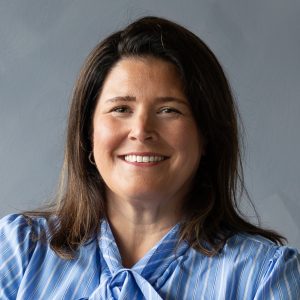 Kate Powers joined the League as the Chief Development Officer in February 2025. Prior to joining the League, Kate held leadership positions at many Michigan nonprofit organizations, most recently serving as the COO and Chief Development Officer of Ele’s Place. Kate has spent the bulk of her career in fundraising, with a short stint in the state Legislature as a legislative aide to members in both chambers. Kate is a graduate of Michigan State University’s James Madison College with a Bachelor of Arts in Social Relations and has a certificate in fundraising management from the Lilly Family School of Philanthropy at Indiana University. Additionally, Kate served on the East Lansing Public Schools Board of Education and is a past President of the Junior League of Lansing. In her free time, she enjoys traveling with her husband and her son and saving outfit of the day and home decor ideas on Pinterest.
  Nicholas Hess joined the League as the Fiscal Policy Analyst in September of 2024. In this role, Nicholas focuses on tax policy, government revenue, and their impact on working families and racial equity, including the effects of the Earned Income Tax Credit (EITC) and Child Tax Credit (CTC). Nicholas values the role that judicious fiscal policy can play in the improvement of people’s lives and the economy, alleviating inequities along the way.
 Audrey Matusz joined the League as the Visual Communications Specialist in September 2024. She supports the team with implementing social media strategies and brainstorming creative ways to talk about public policy. She brings with her nearly a decade of experience in producing digital products for evidence-based social justice initiatives.
  Jacob Kaplan
  Donald Stuckey
  Alexandra Stamm
 Amari Fuller
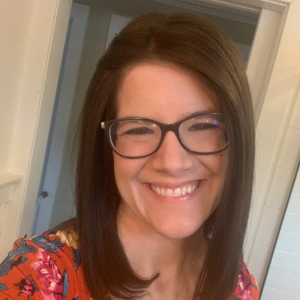 Mikell Frey is a communications professional with a passion for using the art of storytelling to positively impact lives. She strongly believes that positive social change can be inspired by the sharing of data-driven information coupled with the unique perspectives of people from all walks of life across Michigan, especially those who have faced extraordinary barriers.
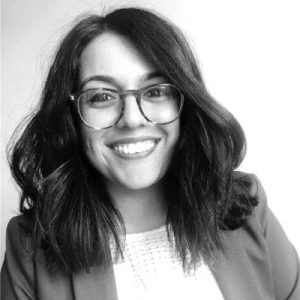


 Yona Isaacs (she/hers) is an Early Childhood Data Analyst for the Kids Count project. After earning her Bachelor of Science in Biopsychology, Cognition, and Neuroscience at the University of Michigan, she began her career as a research coordinator in pediatric psychiatry using data to understand the impacts of brain activity and genetics on children’s behavior and mental health symptoms. This work prompted an interest in exploring social determinants of health and the role of policy in promoting equitable opportunities for all children, families, and communities. She returned to the University of Michigan to complete her Masters in Social Work focused on Social Policy and Evaluation, during which she interned with the ACLU of Michigan’s policy and legislative team and assisted local nonprofit organizations in creating data and evaluation metrics. She currently serves as a coordinator for the Michigan Center for Youth Justice on a project aiming to increase placement options and enhance cultural competency within the juvenile justice system for LGBTQIA+ youth. Yona is eager to put her data skills to work at the League in support of data-driven policies that advocate for equitable access to healthcare, education, economic security, and opportunity for 0-5 year old children. In her free time, she enjoys tackling DIY house projects and trying new outdoor activities with her dog.
 Rachel Richards rejoined the League in December 2020 as the Fiscal Policy Director working on state budget and tax policies. Prior to returning to the League, she served as the Director of Legislative Affairs for the Michigan Department of Treasury, the tax policy analyst and Legislative Director for the Michigan League for Public Policy, and a policy analyst and the Appropriations Coordinator for the Democratic Caucus of the Michigan House of Representatives. She brings with her over a decade of experience in policies focused on economic opportunity, including workforce issues, tax, and state budget.
 Simon Marshall-Shah joined the Michigan League for Public Policy as a State Policy Fellow in August 2019. His work focuses on state policy as it relates to the budget, immigration, health care and other League policy priorities. Before joining the League, he worked in Washington, D.C. at the Association for Community Affiliated Plans (ACAP), providing federal policy and advocacy support to nonprofit, Medicaid health plans (Safety Net Health Plans) related to the ACA Marketplaces as well as Quality & Operations.

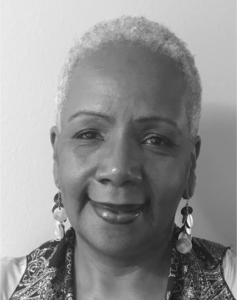 Renell Weathers, Michigan League for Public Policy (MLPP) Community Engagement Consultant. As community engagement consultant, Renell works with organizations throughout the state in connecting the impact of budget and tax policies to their communities. She is motivated by the belief that all children and adults deserve the opportunity to achieve their dreams regardless of race, ethnicity, religion or economic class.
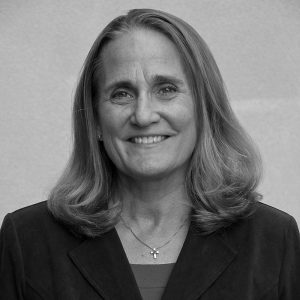


 Emily Jorgensen joined the Michigan League for Public Policy in July 2019. She deeply cares about the well-being of individuals and families and has a great love for Michigan. She is grateful that her position at the League enables her to combine these passions and work to help promote policies that will lead to better opportunities and security for all Michiganders.
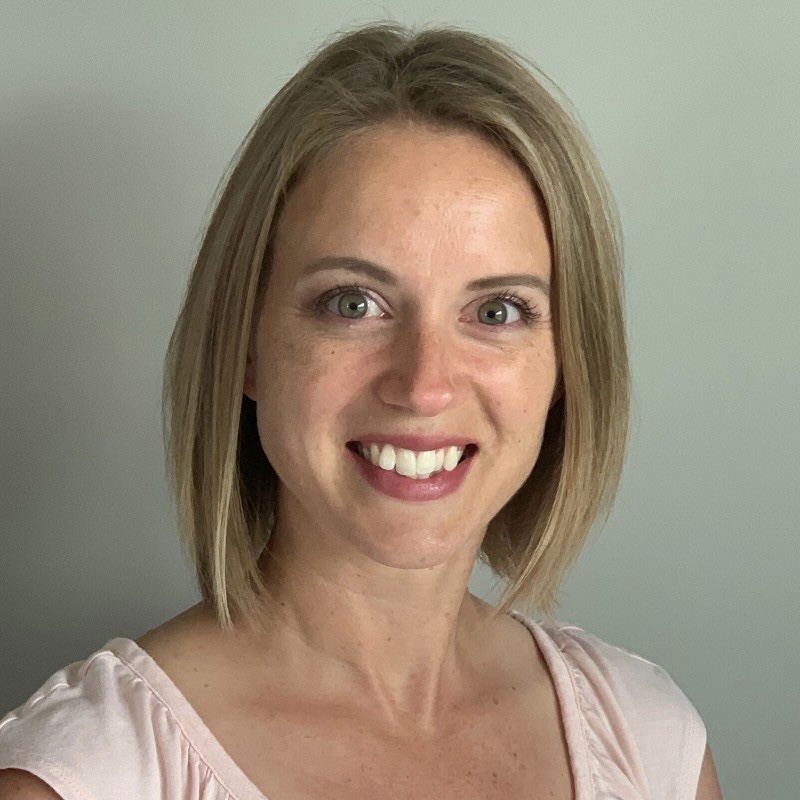 Megan Farnsworth joined the League’s staff in December 2022 as Executive Assistant. Megan is driven by work that is personally fulfilling, and feels honored to help support the work of an organization that pushes for more robust programming and opportunities for the residents of our state. She’s excited and motivated to gain overarching knowledge of the policies and agendas that the League supports.