

Sarah Ostyn, Kids Count Policy Analyst and
Parker James, Kids Count Policy Analyst
Adolescence is a time of many transitions. For the thousands of Michigan youth who are not in the physical custody of a parent or guardian and experiencing homelessness, termed “unaccompanied youth,” these transitions are complicated by uncertainty and a lack of support.1 Through creative solutions, state and local lawmakers and agency leaders can prioritize young people facing the detriment of homelessness and create an environment where all youth are safe and have the opportunity to transition into self-sufficiency.

This report uses a combination of publicly available data from the Center for Educational Performance and Information (CEPI) and the Michigan Coalition Against Homelessness (MCAH) to explore homelessness among unaccompanied youth ages 24 and under and makes policy recommendations to ensure they have the tools required to transition into adulthood.
Why This Matters
Adolescent brains continue to change well into young adulthood. With the ability to make rational decisions and practice planning and reasoning still developing, it is during this time that youth are most likely to engage in high-risk behaviors. The oftentimes significant trauma that leads to homeless experiences contributes to the likelihood that youth will misuse substances, engage in unsafe sex practices and initiate suicide, among other behaviors.
Youth who face homelessness are vulnerable to serious threats including sexual exploitation, untreated mental health disorders and physical victimization. These youth are more likely to interact with police and less likely to obtain a high school diploma, circumstances that have long-term impacts on both brain development and economic outcomes. In fact, homelessness during adolescence is the number one predictor of chronic homelessness in adulthood.3
One in 30 unaccompanied youth ages 12-17 will experience homelessness in a given year. This number jumps to 1 in 10 from age 18-24.4 Youth who are in or aging out of foster care, involved in the juvenile justice system, identify as LGBTQ or are Black or part of the Latinx community are also more likely to experience one or more instances of homelessness between the ages of 12 and 24. While these groups have been presented individually, it is essential that any proposed solutions consider the intersectionality of identity. These are not exclusive categories and the impact on an individual may be compounded by their identification or involvement with more than one group.
Foster Care
For youth who are emancipated from the child welfare system without a family to return to, adulthood comes quickly and often without much preparation. Unemployment rates for this subgroup are 2.5 times that of the general young adult population. For those who are employed, lower educational attainment results in lower wages than the general population. These circumstances influence the likelihood that an individual will become homeless once they have exited the foster care system. In fact, nearly a quarter of youth in foster care at age 17 in Michigan experienced at least one instance of homelessness by age 19. That number increased to 33% by age 21.5
Juvenile Justice
Homelessness and involvement with the justice system are tightly woven together. In one study of youth facing homelessness, 44% of survey participants reported ever having stayed in jail, prison or a juvenile detention center, and 7% attributed their first homeless experience to exiting the justice system.6 Involvement with the justice system can mean youth are unable to return home due to landlord or public housing restrictions or because foster placements have been given away during their absence. Without a steady home to return to, youth are often led back into the justice system due to crimes of survival such as theft, truancy, trespassing and solicitation, creating a revolving door between homelessness and incarceration.7
LGBTQ
Youth who identify as LGBTQ are disproportionately represented in the homeless population, making up 5-10% of the overall youth population but 40% of the clientele served by homeless youth service agencies.8,9 Young adults who identify as LGBTQ have a 120% higher risk of facing homelessness when compared to heterosexual and cisgender youth in the same age group. Family rejection and being forced out of their homes based on sexual orientation or gender identity are cited as the most common factors contributing to homelessness.10
Race and Ethnicity
As a result of a legacy of discriminatory policies and underinvestment, youth who are Black or Latinx experience homelessness at disproportionate rates across all subpopulations of unaccompanied youth. Black youth have an 83% higher risk of experiencing homelessness than all other races and make up 40% of the homeless youth population nationwide. Similarly, one study showed 33% of young adults experiencing homelessness identify as Latinx, while they make up only 18% of the population.11,12
Youth Homelessness in Michigan
The Federal Department of Housing and Urban Development (HUD) considers individuals homeless if they are living in a shelter, in transitional housing or in places not meant for human habitation. In 2018 in Michigan, by this definition there were over 17,100 children and youth under age 18 experiencing homelessness, 711 of whom were unaccompanied. When including 18-24-year-old youth, that number grows to 4,706 unaccompanied youth accessing services.13 However, educational institutions use a broader definition of homelessness under the McKinney-Vento Homeless Assistance Act, which includes all children who lack a fixed, regular, and adequate nighttime residence.14 Based on this broader definition, for the 2017-18 school year there were over 34,000 children experiencing homelessness enrolled in public K-12 schools. Of those students, 4,816 were unaccompanied, meaning more than 14% of K-12 students experiencing homelessness faced that crisis without a parent or guardian.15
 Using HUD data provided by the Michigan Coalition Against Homelessness (MCAH), the map below shows the number of unaccompanied youth under age 24 who are homeless by “Prosperity Region,” the term used for the 10 areas that are part of the state’s Region Prosperity Initiative. There are unaccompanied youth facing homelessness in each of the 10 regions. Regions four and 10 each have over 1,000 unaccompanied youth who are homeless living there; 50% of the total unaccompanied youth who are homeless in Michigan live in these two regions.
The HUD data show the disparities among youth who are homeless and unaccompanied by race, ethnicity and gender identity.
No youth should be homeless, but some groups are facing the burden of homelessness more than others due to discrimination and disinvestment that continues today. Youth who are Black or African American make up over 54% of the youth who are unaccompanied and homeless, despite being only 17% of the population ages 12 to 24. American Indian or Alaska Native youth are also over represented. In contrast, White youth make up 77% of the population 12-24 but only 42% of the population of youth who are unaccompanied and homeless. Asian or Pacific Islander and Hispanic or Latinx youth are experiencing homelessness without a parent or guardian slightly less proportionate to their population. It’s important to note that these are statewide totals and may not reflect local or regional disparities. When comparing data by race at a statewide level, it is clear that targeted strategies are necessary to provide resources and supports to Black or African American and American Indian or Alaska Native youth.
Research shows that youth who identify as LGBTQ face homelessness at higher rates than their peers. While sexual orientation was not reported in the HUD data, data are available on gender identity. It has been estimated that 0.48% of 18-24 year olds in Michigan identify as transgender.16 The unaccompanied youth who are trans-male, trans-female or gender nonconforming and experienced homelessness in 2018 were 1.1% of the total. This finding confirms that transgender and gender-nonconforming youth are overrepresented among those youth who are unaccompanied and homeless.

School districts collect information on students enrolled in K-12 schools who are experiencing homelessness. In Michigan, public school children experiencing homelessness are distinguishable from their housed peers in several categories. Nearly half of children facing homelessness were chronically absent last school year, compared with only 19% of housed children.17 Likewise, only 57% of high school seniors identified as homeless graduated in four years, while 81% of housed seniors attained this accomplishment.18

Analysis of Center for Educational Performance and Information(CEPI) data further shows that African American and American Indian children are overrepresented among children who are homeless in K-12, similar to the findings for unaccompanied youth from the HUD data. Interestingly, Hispanic or Latinx children are actually overrepresented in the CEPI data for K-12 homelessness, contrary to being underrepresented in the unaccompanied youth data from HUD. So while there are fewer than expected Hispanic or Latinx youth who are homeless and unaccompanied, there are more than expected Hispanic or Latinx students in K-12 who are homeless. Thus, targeted strategies for reducing homelessness among students in K-12 schools should also be developed for Hispanic or Latinx students and their families.
Use the tool below to find counts of students experiencing homelessness in your Intermediate School District (ISD) by race/ethnicity, as well as the number of unaccompanied K-12 students experiencing homelessness.
These data do not show us the complete picture of housing instability and homelessness among youth. It is difficult to count youth experiencing homelessness. There are youth who may not self-report and others who are not attending school or accessing services. The total count of homelessness among youth in Michigan is likely higher than what current data show.
Note: According to the Poverty Solutions report, “A Snapshot of Homelessness and Housing Instability in Michigan Schools,” Wayne County was likely undercounted significantly due to data collection issues in Detroit Public Schools Community District.19 This impacts data reported by CEPI under the McKinney-Vento definition of homelessness.
What We Do About It
 Cross-System Collaboration
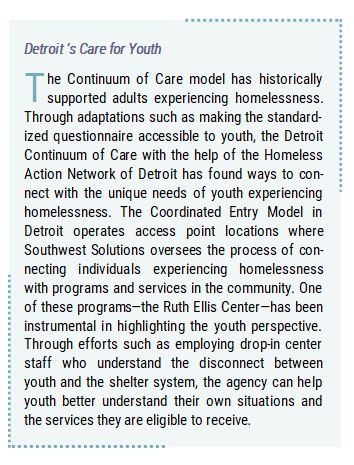
Navigating social services is complicated, even for adults. In a disjointed system, youth struggle to access services while agencies compete for both funding and clients. Although collaboration is required through both McKinney-Vento and Continuum of Care contracts, 20% of youth who were identified as homeless dropped out of school in the 2017-18 school year.20 Through a youth-driven and culturally appropriate system, service administrators and youth can be connected in a way that is accessible and reliable.
Policymakers should engage youth to create policies and systems of accountability that consider the unique needs of unaccompanied youth. Youth advisory boards and shared professional development can help to ensure that policymakers are well informed and that programs are culturally sensitive to the needs of the youth in their community. In addition, shared databases and centralized referral systems create built-in coordination of services and accountability.
Reentry Planning
Youth who have been involved in the child welfare or juvenile justice system are among the most likely to experience homelessness. Nearly half of this population will become homeless within six months of exit because they are unprepared to live independently and often have limited education and social support.21 Planning for youth to exit these systems when they enter into them allows service providers to offer the most useful and long-lasting resources while they are in care or custody.
The Michigan Youth Reentry Model22 is intended to support young people transitioning from the juvenile justice system back into their community. The Michigan Department of Health and Human Services and Oakland County are among those currently using the model. County courts across the state should adopt the Michigan Youth Reentry Model and move toward full integration of the federal Juvenile Justice Prevention Act which outlines best practices in reentry around both social supports and education. In addition, statewide alignment with the Family First Prevention Services Act23 will support foster youth transitioning out of care.
 Drop-In Programming
Many homeless programs cater to either families or single adults. The services that are most widely available are not tailored to the unique needs of youth and, therefore, they are less likely to use them. Drop-in centers, on the other hand, are informal settings designed for youth where they can access services such as food, showers, laundry and personal hygiene supplies and explore resources available to them. These programs are often the first step in engaging youth in more intensive services. They are cited as the most frequently used homeless services among independent youth and young adults.24
Community leaders should create spaces where youth feel welcomed and prioritized. By using existing structures such as community centers, hospitals, libraries and schools, both rural and urban communities can create flexible programming in a low-stakes environment where youth can meet their basic needs, connect with service providers and plan for their futures. Likewise, training existing staff, using volunteers and employing clients are creative ways to staff programs without further straining community resources.
 Affordable Housing
For every 100 renters with extremely low incomes in Michigan, there are only 37 affordable housing units available.25 The average monthly income for youth 18-24 receiving homeless services in Michigan is $168.26 This poses a significant barrier to securing safe and stable housing. The Michigan Housing and Community Development Fund (MHCDF) is one way to address this barrier. However, since its inception in 2008, it has only been funded twice. In 2012, it supported only nine of the 65 proposed projects, none of which were specified for youth.
State lawmakers should dedicate a permanent and sustainable funding source for MHCDF. While 30 states have dedicated sources for maintaining housing funds, Michigan is one of 17 states that have created a trust but not committed to its intent. Various funding streams have been used to support housing trusts, most commonly the real estate transfer tax and document recording fee.27 By funding projects such as the HUD Shelter Plus Care (S+C) Program, youth can receive rental assistance for permanent housing along with supportive services that promote independence.
Endnotes
- National Center for Homeless Education (2018). Supporting the Education of Unaccompanied Students Experiencing Homelessness. Retrieved from https://nche.ed.gov/wp-content/uploads/2018/10/youth.pdf
- Special data run from Center for Educational Performance and Information, SY 17-18
- U.S. Department of Housing and Urban Development Office of Policy Development and Research (2018). Cityscape: A Journal of Policy Development and Research, Youth Homelessness. Retrieved from https://www.huduser.gov/portal/periodicals/cityscpe/vol20num3/Cityscape-November_2018.pdf
- A Way Home America (2019). National Framework to End Youth Homelessness. https://awayhomeamerica.org/
- Children’s Bureau (2018). NYTD Services and Outcomes Report: Cohort 2. Retrieved from https://www.acf.hhs.gov/sites/default/files/cb/percent_experienced_homelessness.pdf
- Administration for Children and Families. (2016) Data Collection Study Final Report. Retrieved from https://www.acf.hhs.gov/sites/default/files/fysb/data_collection_study_final_report_street_outreach_program.pdf
- Connecticut Coalition to End Homelessness. Criminal Justice Involvement and Homelessness. Retrieved from https://cceh.org/criminal-justice-involvement-and-homelessness/
- Durso, L.E., & Gates, G.J. (2012). Serving Our Youth: Findings from a National Survey of Service Providers Working with Lesbian, Gay, Bisexual, and Transgender Youth who are Homeless or At Risk of Becoming Homeless. Retrieved from http://williamsinstitute.law.ucla.edu/wp-content/uploads/Durso-Gates-LGBT-Homeless-Youth-Survey-July-2012.pdf
- Dashow, Jordan (2017) A New Report on Youth Homeless Affirms that LGBTQ Youth Disproportionately Experience Homelessness. Retrieved from https://www.hrc.org/blog/new-report-on-youth-homeless-affirms-that-lgbtq-youth-disproportionately-ex
- Chapin Hall, Voices of Youth Count (2017) Missed Opportunities: Youth Homelessness in America. Retrieved from http://voicesofyouthcount.org/wp-content/uploads/2017/11/ChapinHall_VoYC_NationalReport_Final.pdf
- Kline, M. (2018) Centering Youth of Color & LGBTQ Young People in Efforts to End Homelessness. Retrieved from https://www.usich.gov/news/voices-of-youth-count-centering-youth-of-color-lgbtq-young-people-in-efforts-to-end-homelessness/
- National Alliance to End Homelessness (2018) Racial Disparities in Homelessness in the United States. Retrieved from https://endhomelessness.org/resource/racial-disparities-homelessness-united-states/
- Special data run from Michigan Coalition Against Homelessness, 2018
- The term “homeless children and youths”–
(A) means individuals who lack a fixed, regular, and adequate nighttime residence (within the meaning of section 103(a)(1)); and
(B) includes–(i) children and youths who are sharing the housing of other persons due to loss of housing, economic hardship, or a similar reason; are living in motels, hotels, trailer parks, or camping grounds due to the lack of alternative adequate accommodations; are living in emergency or transitional shelters; or are abandoned in hospitals; (ii) children and youths who have a primary nighttime residence that is a public or private place not designed for or ordinarily used as a regular sleeping accommodation for human beings (within the meaning of section 103(a)(2)(C)); (iii) children and youths who are living in cars, parks, public spaces, abandoned buildings, substandard housing, bus or train stations, or similar settings; and (iv) migratory children (as such term is defined in section 1309 of the Elementary and Secondary Education Act of 1965) who qualify as homeless for the purposes of this subtitle because the children are living in circumstances described in clauses (i) through (iii).
https://nche.ed.gov/mckinney-vento-definition/ - Special data run from Center for Educational Performance and Information, SY 17-18
- Flores, A.R., Herman J.L., Gates, G.J., & Brown, T.N.T. (2016). How Many Adults Identify as Transgender in the United States? Los Angeles, CA: The Williams Institute.
- Center for Educational Performance and Information: K-12th Grade Student Counts Attendance, SY 17-18
- Center for Educational Performance and Information: Other Data Files Student Counts Grad/Dropout, SY 17-18
- Erb-Downward, J., Evangelist, M. (2018). A Snapshot of Homelessness and Housing Instability in Michigan Schools. Retrieved from https://poverty.umich.edu/research-publications/policy-briefs/homelessness-michigan-schools/
- Center for Educational Performance and Information: Other Data Files Student Counts Grad/Dropout, SY 17-18
- National Law Center on Homelessness & Poverty. (2019). Alone Without a Home: A National Review of State Laws Affecting Unaccompanied Youth. Retrieved from https://www.nn4youth.org/wp-content/uploads/Alone-Without-A-Home-2019.pdf
- Michigan Council on Crime and Delinquency (2011). Michigan Youth Reentry Model: Building a Reentry Framework for Youth, Families and Communities. Retrieved from https://www.michigan.gov/documents/dhs/Michigan_Youth_Re-entry_Model_420255_7.pdf
- National Conference of State Legislatures (2019). Family First Prevention Services Act. Retrieved from http://www.ncsl.org/research/human-services/family-first-prevention-services-act-ffpsa.aspx
- DeRosa, C, et. al. (1999). Service Utilization Among Homeless and Runaway Youth in Los Angeles, California: Rates and Reasons. Journal of Adolescent Health. Retrieved from https://www.jahonline.org/article/S1054-139X(99)00040-3/pdf
- Aurand, A., et. al. (2019) The Gap: A Shortage of Affordable Homes. Retrieved from. https://reports.nlihc.org/sites/default/files/gap/Gap-Report_2019.pdf
- Rose, K., Kaiser Van Dam, P., Brandy, K. (2019). Ending Homelessness in Michigan: 2017 Annual Report. Retrieved from https://www.michigan.gov/documents/mcteh/2017-Annual-Report-WEB_634753_7.pdf
- Housing Trust Fund Project. (2016) Opening Doors to Homes for All. Retrieved from http://housingtrustfundproject.org/wp-content/uploads/2016/10/HTF_Survey-Report-2016-final.pdf


 Jay Cutler joined the League in March 2026 as the Kids Count Senior Data Analyst, where he collects, analyzes, and prepares data for Kids Count in Michigan.
 Danielle Taylor-Basemore joined the League as the Development Data and Stewardship Coordinator in June 2025. She brings with her five years of nonprofit experience with a special focus on community engagement, data visualization and strategic programming. Prior to joining the League, Danielle served as the Business District, Safety, and Digital Manager at Jefferson East, Inc.
 Scott Preston is a Senior Policy Analyst with the Michigan League for Public Policy, where he leads the organization’s immigration and criminal justice reform portfolios. In the three years prior to joining the League, Scott facilitated the Southeast Michigan Refugee Collaborative and managed a small business economic development program at Global Detroit. His work included launching Michigan’s first Refugee Film Festival and building on a trusted connector model that linked marginalized communities with crucial resources. Scott’s work at the League is informed by his background in journalism and research. He spent four years covering the Syrian refugee crisis in the Middle East for publications such as The Economist, and later worked with unaccompanied refugee minors through Samaritas. Scott holds a master’s degree in international migration and public policy from the London School of Economics and Political Science.
 Kate Powers joined the League as the Chief Development Officer in February 2025. Prior to joining the League, Kate held leadership positions at many Michigan nonprofit organizations, most recently serving as the COO and Chief Development Officer of Ele’s Place. Kate has spent the bulk of her career in fundraising, with a short stint in the state Legislature as a legislative aide to members in both chambers. Kate is a graduate of Michigan State University’s James Madison College with a Bachelor of Arts in Social Relations and has a certificate in fundraising management from the Lilly Family School of Philanthropy at Indiana University. Additionally, Kate served on the East Lansing Public Schools Board of Education and is a past President of the Junior League of Lansing. In her free time, she enjoys traveling with her husband and her son and saving outfit of the day and home decor ideas on Pinterest.
  Nicholas Hess joined the League as the Fiscal Policy Analyst in September of 2024. In this role, Nicholas focuses on tax policy, government revenue, and their impact on working families and racial equity, including the effects of the Earned Income Tax Credit (EITC) and Child Tax Credit (CTC). Nicholas values the role that judicious fiscal policy can play in the improvement of people’s lives and the economy, alleviating inequities along the way.
 Audrey Matusz joined the League as the Visual Communications Specialist in September 2024. She supports the team with implementing social media strategies and brainstorming creative ways to talk about public policy. She brings with her nearly a decade of experience in producing digital products for evidence-based social justice initiatives.
  Jacob Kaplan
  Donald Stuckey
  Alexandra Stamm
 Amari Fuller
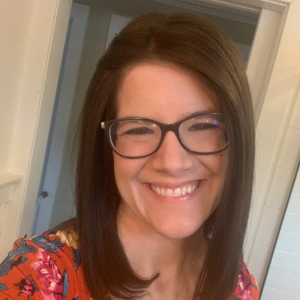 Mikell Frey is a communications professional with a passion for using the art of storytelling to positively impact lives. She strongly believes that positive social change can be inspired by the sharing of data-driven information coupled with the unique perspectives of people from all walks of life across Michigan, especially those who have faced extraordinary barriers.
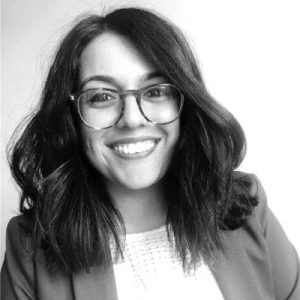


 Yona Isaacs (she/hers) is an Early Childhood Data Analyst for the Kids Count project. After earning her Bachelor of Science in Biopsychology, Cognition, and Neuroscience at the University of Michigan, she began her career as a research coordinator in pediatric psychiatry using data to understand the impacts of brain activity and genetics on children’s behavior and mental health symptoms. This work prompted an interest in exploring social determinants of health and the role of policy in promoting equitable opportunities for all children, families, and communities. She returned to the University of Michigan to complete her Masters in Social Work focused on Social Policy and Evaluation, during which she interned with the ACLU of Michigan’s policy and legislative team and assisted local nonprofit organizations in creating data and evaluation metrics. She currently serves as a coordinator for the Michigan Center for Youth Justice on a project aiming to increase placement options and enhance cultural competency within the juvenile justice system for LGBTQIA+ youth. Yona is eager to put her data skills to work at the League in support of data-driven policies that advocate for equitable access to healthcare, education, economic security, and opportunity for 0-5 year old children. In her free time, she enjoys tackling DIY house projects and trying new outdoor activities with her dog.
 Rachel Richards rejoined the League in December 2020 as the Fiscal Policy Director working on state budget and tax policies. Prior to returning to the League, she served as the Director of Legislative Affairs for the Michigan Department of Treasury, the tax policy analyst and Legislative Director for the Michigan League for Public Policy, and a policy analyst and the Appropriations Coordinator for the Democratic Caucus of the Michigan House of Representatives. She brings with her over a decade of experience in policies focused on economic opportunity, including workforce issues, tax, and state budget.
 Simon Marshall-Shah joined the Michigan League for Public Policy as a State Policy Fellow in August 2019. His work focuses on state policy as it relates to the budget, immigration, health care and other League policy priorities. Before joining the League, he worked in Washington, D.C. at the Association for Community Affiliated Plans (ACAP), providing federal policy and advocacy support to nonprofit, Medicaid health plans (Safety Net Health Plans) related to the ACA Marketplaces as well as Quality & Operations.
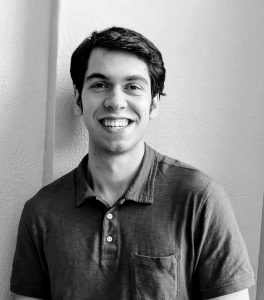

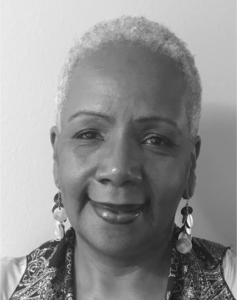 Renell Weathers, Michigan League for Public Policy (MLPP) Community Engagement Consultant. As community engagement consultant, Renell works with organizations throughout the state in connecting the impact of budget and tax policies to their communities. She is motivated by the belief that all children and adults deserve the opportunity to achieve their dreams regardless of race, ethnicity, religion or economic class.

 Emily Jorgensen joined the Michigan League for Public Policy in July 2019. She deeply cares about the well-being of individuals and families and has a great love for Michigan. She is grateful that her position at the League enables her to combine these passions and work to help promote policies that will lead to better opportunities and security for all Michiganders.
 Megan Farnsworth joined the League’s staff in December 2022 as Executive Assistant. Megan is driven by work that is personally fulfilling, and feels honored to help support the work of an organization that pushes for more robust programming and opportunities for the residents of our state. She’s excited and motivated to gain overarching knowledge of the policies and agendas that the League supports.