Gov. Gretchen Whitmer presented her fiscal year 2024 budget recommendation under a complex landscape. We are expecting the end of the declaration of the public health emergency in May of this year even while COVID-19 cases remain constant. Unemployment remains low, but many people—especially women—who left the workforce during the pandemic have yet to return. State revenues have recovered, but families are still struggling to make ends meet and cover rising costs due in part to inflation. Students have returned to school but have mental health concerns and need support to address opportunity gaps. Looking at the needs of Michiganders, the governor’s budget focuses on initiatives that will lower costs for families; get our kids back on track; improve access to healthcare; keep our neighborhoods safe; build lasting infrastructure; and create opportunity for communities and individuals across the state.
The governor’s budget, which was presented to the Legislature on Feb. 8, 2023, contains the details of her plan to allocate the state’s resources for the 2024 budget year, which begins on Oct. 1, 2023, and ends on Sept. 30, 2024. For 2024, the governor recommends $79.4 billion in total spending from state and federal sources. About $19.4 billion of our School Aid Fund (SAF) dollars are spent across pre-K-12 schools, community colleges, and colleges and universities. Spending from the state’s General Fund—the portion of the budget over which lawmakers have the most control—is expected to be $14.8 billion. Federal funds continue to make up the largest portion of the state budget, at nearly $32.7 billion or 41% of the state budget.
While the governor’s recommendation is an increase over the current year’s enacted budget, it benefits from a significant amount of one-time funding. In fact, at the January Consensus Revenue Estimating Conference, it was estimated that the state could be sitting on a surplus of over $9 billion, between School Aid and General Fund revenues. However, much of this surplus is only one-time funding, and some of the rest would be used to fund ongoing tax changes, ongoing deposits into funds for housing and economic development, and one-time deposits into Rainy Day Funds and other reserve funds. In the governor’s 2024 budget recommendation, nearly $3.8 billion in total funds are one-time. Of the $14.8 billion in state General Fund spent in the governor’s budget recommendation, about $12.9 billion are anticipated to be ongoing; about $1.9 billion in one-time General Fund revenues is spent across state departments, K-12 education, and state colleges and universities.
The governor’s budget spends nearly all remaining surplus dollars and the state and federal funding determined to be available at the January Consensus Revenue Estimating Conference. Based on the governor’s recommendation, our state General Fund would end the 2024 budget year with only $12 million on the balance sheet, and our state School Aid Fund would end the year with only $224 million on the balance sheet. These figures do create some hesitancy as it provides little opportunity to make investments beyond where the governor recommended without reducing or eliminating other proposed investments and a mild economic downturn, small tax reduction or any other change affecting revenues could easily result in a midyear deficit or shortfall.
As Michiganders, we all deserve strong schools, attainable housing, safe drinking water, affordable healthcare, and economic security. The state budget provides an opportunity to improve access to the services that Michigan people—kids, workers, and families—need and rely on, and the League will continue to work toward a People’s Budget that works for all Michiganders.
Saving for Future Fiscal Stability
The governor’s budget recommendation sets aside a significant amount of revenue for immediate and future needs. These include:
- A $200 million deposit in the current year into the state’s Budget Stabilization Fund (also known as the Rainy Day Fund), bringing the fund balance to nearly $2 billion. The state’s Rainy Day Fund can be used to help balance the budget and avoid cutting essential programs during an economic downturn. The increase will help the state maintain spending during a recession, but is still far below the $4.9 billion estimated cap and is not subject to regular stress tests to ensure adequacy.
- A $900 million set-aside to be used as a new School Aid Rainy Day Fund. Currently, the state does not have a specific rainy day fund for school aid purposes. Instead, the state’s Budget Stabilization Fund is used to smooth over any budget shortfalls or strains across both general fund and school aid needs.
- A $500 million deposit in the current year into the Michigan Public School Employees’ Retirement System (MPSERS) Reserve Fund, anticipating higher costs for future years. (FY 23 supplemental)
- A $500 million set-aside in the current year for school infrastructure projects. When combined with current deposits, this would make about $750 million available for infrastructure needs once the statewide facilities study is completed. (FY 23 supplemental)
While state revenues have grown significantly in nominal terms, Michigan’s General Fund has been losing ground not only because of inflation but also because of state tax and budget decisions that have reduced revenues or earmarked funds. In addition to deep cuts in business taxes in 2011, lawmakers have diverted about $2 billion of the state’s General Fund for other purposes, including $600 million for roads, an anticipated $515 million for business tax credits, and $561.7 million to reimburse local governments for their losses resulting from personal property taxes no longer levied on businesses. These diversions come at a significant cost to budget priorities, as ultimately more General Fund dollars are needed for federal match requirements and to fund health and human services, higher education, and public safety. According to the Senate Fiscal Agency, when adjusted for inflation, Fiscal Year (FY) 2024-25 General Fund revenues will be less than 3% above the level set in FY 1967-68, which was the first year the state income tax was implemented.
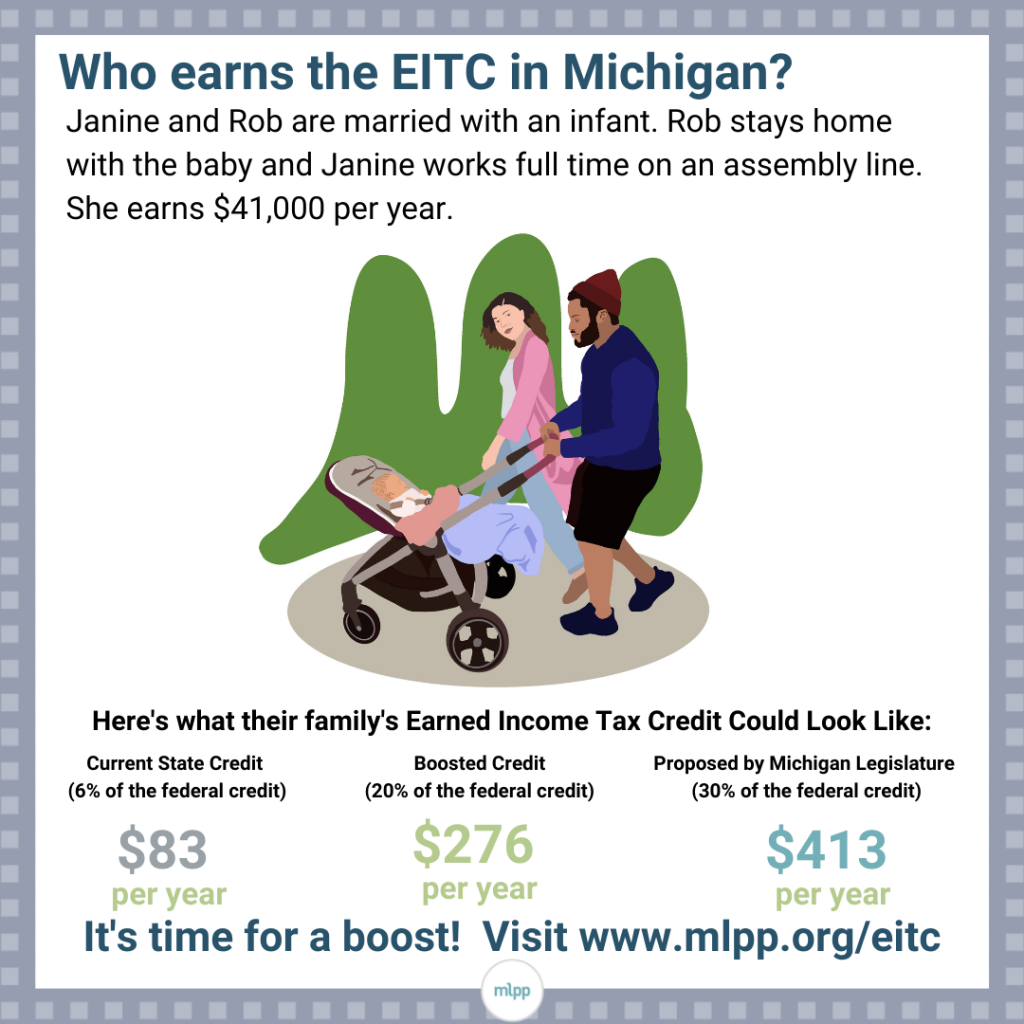
- Substantial increase in the Working Families Tax Credit. The governor’s budget proposes increasing the state’s Working Families Tax Credit from 6% of the federal Earned Income Tax Credit (EITC) to 30% of the federal credit, allowing working families to keep more of what they earn. If enacted, the credit would put an additional $500 in the pockets of more than 700,000 Michigan taxpayers with low and moderate incomes.
- Retirement tax changes. The budget includes a phase-out of the personal income tax on certain pension and retirement income, effectively reversing the changes made in 2011. The recommendation fully exempts public pension income and restores higher deductions for some private retirement income. While the elimination of these benefits in 2011 was undoubtedly for an unjust reason—to pay for tax cuts for profitable corporations—restoring them now would increase inequity in the taxation of retirement income while doing nothing to help older Michiganders without retirement savings who must continue to work.
- Exemption on sales tax for electric vehicles (EVs). The budget also proposes an exemption of the 6% sales and use tax for new and used EVs. The exemption applies to the first $40,000 of sale price, including leased vehicles, in an effort to encourage the purchase of EVs and make them more affordable for drivers with low and moderate incomes. The exemption will sunset after two years.
- Deposit into SOAR (Strategic Outreach and Attraction Reserve) Fund. The governor also proposes annual deposits of $500 million in the state’s SOAR fund, which provides economic development incentives in an effort to help Michigan attract or keep industry. The proposal includes deposits annually if Corporate Income Tax revenues exceed $1.3 billion. Michigan’s revenues from business taxes are substantially lower than they were a decade ago, even before adjusting for inflation, and this proposal further reduces general fund revenues that can be used to pay for the services that benefit all Michigan communities. The deposit will sunset after ten years.
- Income tax credits for early childhood educators. The budget provides annual tax credits ranging from $1,000 to $3,000, depending on qualifications, for early childhood educators working in child care centers, preschools and after-school programming. Approximately 15,000 child care workers are expected to benefit from the credit, which aims to address the recruitment and retention of early childhood educators without raising costs for families. The credit is ongoing, with annual adjustments for inflation.
Strengthen Education, Cradle to Career
Child Care and Early Childhood
- Maintains expansions of eligibility and rate payment schedules for child care providers. The governor’s budget includes an additional $73.5 million (federal) to keep income eligibility at 200% of the federal poverty level (about $55,000 for a family of four), maintaining provider payment schedules, paying providers based on enrollment instead of attendance, and continuing infant and toddler mental health support. While concerns that we would backslide on eligibility standards were abated due to additional federal funding, significant gaps remain between our current subsidy system and the true cost of care.
- Takes steps to start addressing the early childhood educator workforce crisis. In addition to recommending a new early childhood educator tax credit (see above), the governor’s budget includes $50 million (federal) in a current year supplemental for a work project to assess early childhood workforce needs; update and promote career pathways, pilot training and credentialing programs; and increase recruitment efforts. (FY 23 supplemental)
- Continues expansion of the Great Start Readiness Program, the state-funded 4-year-old preschool program. The governor’s goal is to provide universal, state-funded pre-K to all Michigan 4-year-olds. However, this must be done in a strategic way to not exacerbate the early childhood workforce crisis and to not destabilize our child care system. The budget recommendation takes the next step toward this goal. The governor recommends increasing funding to the Great Start Readiness Program (GSRP) by $257.3 million total. This funding would be used to:
-
- Expand income eligibility to up to 300% of the federal poverty level (up to 400% in certain areas already covering all eligible kids);
- Increase the full-day per-child payment from $9,150 to $9,608 (to align with the governor’s proposed K-12 foundation allowance payment);
- Provide additional funding for transportation; and
- Continue 3-year-old GSRP pilot programs for three years.
- The governor’s budget would also include a current-year supplemental to provide start-up grants for the creation of new or expanded programs ($50 million), expand the number of days and weeks offered by GSRP programs ($75 million), and market the program to ensure all eligible families know about the availability of pre-K programs ($10 million).
- Supports interventions of our earliest learners. The governor’s budget recommends:
- Increasing funding for early identification and intervention for younger children through Early On by $1.1 million, from $21.2 million to $22.3 million.
- Increasing funding for evidence-based home visiting programs that encourage strong family relationships and provide support to those with young children by $2 million, to $4.5 million total.
- Increase funding for Great Start Collaboratives by $7.5 million to expand enrollment efforts in state early education programs.
- Maintains current per-pupil K-12 funding structure, providing base payments and targeting funding to students from low-income backgrounds, English-language learners and students with disabilities, helping reduce opportunity gaps. Providing equal per-pupil payments to all school districts in the state does not guarantee educational equity, which is the goal of a weighted funding formula. The governor’s budget does acknowledge that students who are economically disadvantaged or who are English-language learners and students with disabilities need different resources in order to receive the same education as their peers; however, the budget request does not go far enough to reduce existing disparities as Michigan tends to spend more in the foundation allowance and sets lower weights on the equity formula. The governor’s budget proposes the following:
-
- The governor’s budget recommends increasing the per-pupil foundation allowance by $458, from $9,150 to $9,608 per pupil ($614 million).
- The governor recommends continuing to fully fund the At-Risk School Aid Program at 11.5% of the base per-pupil payment, which has been regularly prorated in the past (increase of $64.7 million). This would provide $1,105 in additional funding for academically at-risk, economically disadvantaged students. The last time the At-Risk School Aid Program had been fully funded prior to the current year was about two decades ago.
- The governor’s recommendation increases special education funding by $79.9 million to provide 87.5% of a full foundation allowance, an increase over the current funding level of 75% of the foundation allowance. This is in addition to the required cost reimbursement payments for each student with disabilities. While a significant improvement, this still results in unreimbursed costs for school districts and falls significantly short of even adequacy for special education services, let alone equitable funding.
- The governor’s budget includes 5% increases for both English-language learners ($1.4 million) and rural and isolated school districts ($443,000).
- Supports academic interventions to address opportunity gaps deepened by the COVID-19 pandemic and ensure Michigan students are reading at grade level. The “Read by Grade Three” law was enacted in Michigan in 2016 to identify students who are struggling with reading and writing and to provide additional interventions and support to bring them up to grade level. Students who are not reading at grade level by third grade are recommended for retention; however, good cause exemptions are provided and the removal of the retention provision is currently being discussed by the Legislature. Recent data by the Education Policy Innovation Collaborative at Michigan State University shows the stark disparities and inequities in the application of this law, with Black and economically disadvantaged students more likely to be retained than their white or wealthier peers. The governor’s recommendation includes:
-
- $300 million in one-time funds to provide districts and intermediate school districts support in improving literacy instructional practices, including curriculum and professional development. Of this, $20 million must be used to provide professional learning opportunities, such as through LETRS.
- A $10.5 million increase, to $42 million, to provide additional literacy coaches throughout the state.
- A $14.5 million increase, to $34.4 million total, for additional instructional time grants to districts.
- $94.4 million for literacy initiatives in Detroit Public School Community District to fulfill the state agreement in the Gary B. v. Whitmer settlement. (FY 23 supplemental)
- $30 million to support math professional development, curriculum and training.
- Continuation funding ($25 million) for out-of-school learning opportunities at before- and after-school programs.
- $300 million in a current year supplemental for the MI Kids Back on Track Program that would provide per-pupil payments to schools to help with unfinished learning. (FY 23 supplemental)
- Maintains and improves supports for student mental and physical health services and school safety. The governor’s budget includes:
- An additional $300 million to continue discretionary per-pupil payments for mental health for two years;
- An increase of $29 million to support for the mental health operations of intermediate school districts;
- An additional $25 million (one-time) to provide grants to school-based health centers for infrastructure improvements;
- Maintenance funding for school-based health centers ($33 million) and for the network of child and adolescent health centers to place licensed master’s level behavioral health providers in schools ($14.3 million); and
- An additional $318 million to continue discretionary per-pupil payments for student safety for two years.
- Continues supporting teacher recruitment efforts. Recognizing that many schools are dealing with crisis-level teacher shortages, some having to fill positions with long-term substitutes, the governor’s budget continues her efforts to recruit and support new teachers by:
- Maintaining a $25 million investment in the MI Future Educator Fellowship, which helps offset tuition costs for college students earning their initial teacher certification by providing up to $10,000 awards per academic year.
- Maintaining a $50 million investment to allow institutions of higher education to pay student teachers up to $9,600 per semester to be used for tuition, living expenses, child care, or other costs associated with student teaching.
- Providing $25 million for grants to districts for mentoring to support and retain new teachers, school counselors and administrators.
- Providing $25 million in the current year in per-pupil payments to intermediate school districts (ISDs) to partner with an eligible nonprofit to support teacher recruitment and retention, teacher certification programs and school leader development programs. (FY 23 supplemental)
Postsecondary and Adult Education
-
- Expands eligibility for Michigan Reconnect by lowering the age from 25 to 21, making it available to up to 350,000 more students. Michigan Reconnect provides full (in-district) or partial (out-of-district) coverage of community college tuition costs and can be used to complete an associate degree or a Pell-eligible skill certificate program.
- Increases funding for the new Michigan Achievement Scholarship which offers up to $2,750 a year for students attending community colleges, $5,500 a year for public university students and $4,000 a year for private university-eligible students who graduate high school in or after 2023. The governor’s budget provides an additional $100 million to bring the total to $350 million.
- Creates a one-time student wellness fund of $55 million to address college and university students’ mental health needs.
- Includes $55 million for new student success programs to promote student degree and credential completion.
- Provides $75 million in ARPA (supplemental) for a new Reconnect Bachelor’s Degree Pathway Program that will focus on students whose education was disrupted by the pandemic and provide a path back to college for them to earn a bachelor’s degree. Michigan public university students who meet the criteria will be eligible for up to $5,500 per academic year ($4,000 for private university students).
- Includes $30 million in one-time funding for postsecondary student wraparound services such as child care, on-campus food pantries, housing and other emergency needs, mental health supports, or funding to resolve institutional barriers to college success.
- Includes the first significant increase to state-funded adult education programs in years, providing a $15 million (50%) increase in funding, totaling $45.5 million.
- Includes $15 million to pilot programs to better connect adult learners with existing postsecondary and employment opportunities, including Michigan Reconnect and Michigan Works.
- Continues the problematic trend of using School Aid Fund revenues for postsecondary education, recommending $844.9 million of SAF to be used in postsecondary education in fiscal year 2024, up from $796.4 million this year. This would be a higher amount of SAF diverted to postsecondary education than in any other year except Budget Year 2019.
- Continues to use Temporary Assistance for Needy Families (TANF) dollars for financial aid programs which go primarily to students from middle-class and affluent families. The 2023-2024 budget uses $54 million in TANF, which is meant for families with low incomes, to fund 78% of the Michigan Competitive Scholarship and Michigan Tuition Grant. While these are worthwhile grants that should be supported, the funding should come from the General Fund and not TANF.
Improve access to affordable, quality healthcare and address health disparities in Michigan
-
- Increases direct care worker wages. The governor’s budget proposes $210 million to increase direct care worker wages by $1.50 per hour. The governor’s budget also recommends $90 million to increase non-direct care worker wages for those working in long-term care facilities.
- Seeks to establish a Michigan-based insulin manufacturing facility. The governor’s budget invests $150 million to attract jobs and reduce costs for Michiganders who rely on insulin to maintain their health.
- Continues support for reproductive health. The executive budget proposes a total of $57.9 million for the Healthy Moms, Healthy Babies initiative.
- $32.1 million to waive the five-year waiting period for Medicaid and the Children’s Health Insurance Program (CHIP) that applies to thousands of children and pregnant people who are lawful permanent residents, allowing them to access healthcare sooner. This change will be made through taking up the federal Immigrant Children’s Health Improvement Act (ICHIA) option.
-
- $10 million for Alliance for Innovation on Maternal Health (AIM) safety bundles. Maternal safety bundles help to equip participating hospitals with actionable protocols and staff education to prevent and effectively treat severe complications that arise during labor and delivery.
- $10 million for Centering Pregnancy (group-based prenatal care)
- $10 million for Regional Perinatal Quality Collaboratives
- $6.2 million to restore Plan First, a program that would increase access to affordable family planning services for individuals with lower incomes.
- Increases Medicaid reimbursement rates. The executive budget proposes $120.7 million to increase reimbursement rates for specific Medicaid services such as labs, anesthesia and durable medical equipment.
- Allows young adults up to age 26 to benefit from the Children’s Special Health Care Services (CSHCS) program. The governor recommends $4 million to expand CSHCS eligibility from 21 years old to 26 years old.
- Expands access to medication-assisted treatment for incarcerated individuals. The governor recommends $15.6 million to establish four clinics in Michigan correctional facilities to treat inmates with an opioid use disorder prior to their release.
- Seeks to recruit additional behavioral health providers. The executive budget proposes $5 million to fund scholarships for students interested in a behavioral health career.
- Provides funding to implement the recommendations of the Michigan Coronavirus Racial Disparities Task Force. The governor’s proposal includes $58 million ($41 million ongoing, $17 million one-time) to support initiatives put forth by the Task Force. These include investing in mobile health units ($6 million), along with the following to improve social determinants of health and enhance health data equity:
- Expands and improves data collection. The governor recommends $10 million in one-time funding to improve Michigan Department of Health and Human Services data collection and information technology infrastructure to better understand and address disparities in healthcare access in Michigan.
- Creates local healthy community zones. The governor’s budget proposes $18.1 million ($17.1 million ongoing, $1 million one-time funding) for MDHHS to provide technical assistance to local communities creating and implementing long-term strategies to address access to healthy food, affordable housing, and safety networks.
- Establishes a neighborhood health grant program. The governor recommends $18.5 million ($15 million ongoing, $3.5 million one-time) in grant funding that will support community-based health clinics—especially those in areas with a high social vulnerability and disparities in health access and outcomes.
- Develops an equity infrastructure within MDHHS. The governor’s recommendation provides $2 million to create equity trainings within the department and evaluate department policies and procedures through an equity lens.
- Provides investment to support individuals with sickle cell anemia and their families. The governor’s budget proposes $2.5 million in one-time funding to bolster sickle cell services, including counseling, support groups, and other assistance.
Public Health and Environmental Health
- Investments in community violence intervention, including community-based tools to reduce gun violence, which include the following:
- $800,000 to establish an Office of Community Violence Intervention Services.
- $8 million (one-time) in grants to pilot community-based violence interventions and $2 million (one-time) for other gun violence prevention programs that work to prevent injuries and fatalities related to misuse of firearms.
- $2 million ($1.2 million one-time, $725,000 ongoing) to the Department of State Police to expand law enforcement capacity to collect information and intelligence on gun crimes to prevent gun violence. This funding would be used to establish five National Integrated Ballistic Information Network testing locations to process firearms evidence and enter it into the national database used by law enforcement agencies across the state.
- Critical investments in water quality and safety, including the following:
- $100 million to last through the 2028 budget year for public health, data sharing infrastructure, lead-removing water filter distribution and lead-containing faucet and plumbing replacement in communities affected by lead-contaminated water. (MDHHS)
-
- $22.5 million to improve MDHHS’ ability to monitor and respond to environmental public health threats, investigate drinking water contamination, and more effectively assess and manage health supports for residents affected by contaminated water.
- $225.8 million to remove and replace lead lines in Michigan communities with the greatest need, and to provide ongoing technical assistance to ensure these communities can fully access and manage all available resources for water improvement projects. The funds would be available to municipalities deemed “overburdened” or “significantly overburdened” according to a statutory formula based on the community’s annual household median income, the proposed project area’s taxable value per capita, and the annual user costs for the proposed project area. (Environment, Great Lakes and Energy)
- $280.5 million ($250 million federal Infrastructure Investment and Jobs Act funds) for local water infrastructure projects, including service line replacements, water treatment facility upgrades, and stormwater management. (Environment, Great Lakes and Energy)
- Addressing the harmful effects of past pollution policies through environmental justice projects. The budget would dedicate $100 million to remediate and redevelop contaminated sites and expand air pollution controls in historically disadvantaged and underrepresented communities. Half of this funding would have to be used to reduce health burdens in communities with elevated exposure to pollutants due to proximity to emitting sources, and half would have to be used to remediate and redevelop contaminated sites identified in environmental justice communities as determined by the Office of Environmental Justice Public Advocate. (Environment, Great Lakes and Energy)
- Investments in healthier schools through improvements in air and water quality and energy efficiency. The governor proposes $300 million in a 2023 supplemental for a MI Healthy Schools competitive grant program to lower energy costs and improve health outcomes at school facilities. School districts and intermediate school districts could use awarded funds for indoor air quality improvements, energy enhancements, toxin remediation (including lead and asbestos), and drinking water system upgrades. Each grantee would have to provide a 50% match for funds awarded under the program.
- Investments in community public health, including essential local public health services provided by local health departments. The governor’s recommendation provides $468.7 million for community public health, which includes local health programs and administrative services in addition to a variety of services such as epidemiology, emergency preparedness, laboratory services and PFAS (Per- and Polyfluoroalkyl Substances) and environmental contamination response. Gross funding increases include $23.5 million for Healthy Homes Program activities and an additional $4.5 million spread across a range of public health and administrative services such as chronic disease control, laboratory services, newborn screening follow-up and treatment, and violence prevention.
- The budget would also increase state funding to local health departments, enough to ensure a 50-50 state/local match for essential services. The governor’s proposal includes $30 million in ongoing base funding for local health departments to provide mandated Essential Local Public Health Services (ELPHS), bringing the state into alignment with the statutory cost-sharing requirement to reimburse local health departments for their spending toward these services at a 50-50 match. This would raise total funding for ELPHS to $81.4 million.
Meeting the Needs of Michigan’s Workers, Children and Families
- Cash Assistance Appropriation. The governor’s budget makes adjustments to appropriations for Family Independence Program cash assistance to account for changes in caseloads. Due to policy changes during the past 12 years, there are currently fewer than 12,000 families across the state receiving cash assistance compared to just under 80,000 in Budget Year 2011.
- Clothing Allowance. The governor’s budget retains the current $7.23 million appropriation for the children’s clothing allowance, currently set by the department at $304 per child.
- Young Child Supplement. The governor’s budget retains the $600 supplement. While in the current year it is distributed as a one-time $600 payment per child, for Budget Year 2024 the governor proposes for it to be distributed as a monthly $50 supplement.
- Increased access to nutritious food for school children. The governor proposes $1 million to forgive student meal debt and $160 million to provide free breakfast and lunch to all public school students.
-
- Increased funding for the Ten Cents a Meal program, a competitive grant program to support schools and child care centers in purchasing Michigan-grown produce. Program goals include improving daily nutrition and eating habits for children while investing in the state’s agricultural and related food business economy. The governor’s budget proposes to maintain General Fund support for the program at the current level of $500,000 and increase support from the School Aid Fund from $4 million to $8.8 million.
- Increased funding to support the Double Up Food Bucks (DUFB) program for five years. The governor proposes $15.5 million for DUFB, which gives participants in the Supplemental Nutrition Assistance Program (SNAP) the opportunity to double up to $20 per day in food assistance benefits spent on fresh Michigan-grown produce. The program is currently funded at $900,000 annually, which is insufficient to fully leverage available federal funds. The proposed state investment would maximize DUFB operation for five years. (MDARD)
Supporting Safe, Attainable Housing
- Permanent funding of $50 million per year for the Housing and Community Development Program. The program helps meet affordable housing needs and revitalize downtown areas across the state. In the past, the program received only sporadic rounds of extremely limited funding. Recently, the state has substantially boosted support with federal COVID-19 relief funds. The governor proposes building on this critical investment with $50 million in annual restricted funds, beginning with a supplemental for budget year 2023. (Labor and Economic Opportunity)
- Investment in workforce housing needs in the food and agriculture industry. The governor proposes $15 million in federal funds in a 2023 supplemental to provide grants to improve living conditions and housing options for migratory agricultural worker families. (Labor and Economic Opportunity)
- Increased homeownership opportunities and workforce growth through an Attainable Homeownership and Apprenticeship Program. The governor’s budget proposes $10 million in federal ARPA funds in a 2023 supplemental to support the acquisition, renovation, and resale of properties in rural and urban land bank inventories; and to require paid apprentices on each home renovation site. (Labor and Economic Opportunity)
- Ensures water affordability for households with low incomes. The budget proposes $40 million in federal ARPA funds in a 2023 supplemental to support community water systems in providing income-based assistance to residential customers at risk of losing water service. Eligible uses of the funds include capping or lowering water bills, reducing consumer debt, improving in-home plumbing, and protecting residents from water shutoffs. The funds are expected to last through the 2026 budget year. (MDHHS)
- Investments in measures to lower residential energy bills and make homes healthier and safer. Through a 2023 supplemental, the budget proposes:
- $25 million in federal ARPA funds for pre-weatherization work to improve homes, reduce energy use and lower utility bills; and $50 million for deep energy retrofits, home heating and cooling upgrades, and access to renewable energy systems. The funds are expected to last through the 2026 budget year. (MDHHS)
-
- $212 million in federal Inflation Reduction Act funds for point-of-sale rebates for energy efficiency upgrades, including home appliances; water heaters; heating and cooling systems; improved insulation, efficient windows and other thermal envelope improvements; EV chargers; and solar installation and battery storage. Both homeowners and landlords of income-qualified residential property would be eligible. The funding is expected to last through the 2027 budget year. (Environment, Great Lakes and Energy)
Juvenile Justice and Criminal Justice Reform
Juvenile Justice Reforms
- Supporting efforts to resentence juvenile offenders serving a life sentence without the possibility of parole. The governor’s budget includes additional funding to help support the resentencing of juvenile offenders currently serving a life sentence without the possibility of parole including $2.5 million for the State Appellate Defender Office and $3.2 million to support local offices.
- Implementation of the Task Force on Juvenile Justice Reform recommendations. The governor’s budget recommends funding for several of the recommendations made by the Task Force on Juvenile Justice Reform, including:
- $1.6 million for the Office of the Child Advocate to enhance oversight and outreach support for youth in the juvenile justice system and expand the office’s role.
- $31.5 million to restructure the Child Care Fund to support higher reimbursement rates to local governments for community-based treatment options for youth involved with or at risk of becoming involved with the juvenile justice system. This will increase the reimbursement rate from 50% to 75%. (MDHHS)
- $2 million to establish a Juvenile Justice Services Division within the State Court Administrative Office to coordinate statewide court policies, data collection and reporting, develop screening and assessment tools and provide technical assistance and quality assurance.
- Creation of a juvenile justice unit within the State Appellate Defender Office to provide appellate counsel for indigent youth in juvenile delinquency cases.
Civil Rights
-
- Increased support for investigation and enforcement related to civil rights complaints. The governor proposes $5.7 million to reduce the backlog of discrimination cases within the Michigan Department of Civil Rights and complete investigations in a timely manner; and $1.6 million to consider disparate impacts of policies, practices, rules or other systems on people belonging to classes protected under civil rights laws.
- Investment in training and education to ensure that public accommodations and services comply with disability rights law. The governor proposes $2.8 million in one-time funding and $294,000 in ongoing funding for a digital accessibility training module and technical materials, continuing education for state employees and related staffing to ensure that all public accommodations and services meet legal requirements to provide equal access to information and services via adaptive technology for people with disabilities. Additionally, the governor proposes $223,200 to train an additional 2,000 state and local government employees annually, as well as businesses open to the public, regarding compliance with state and federal disability rights laws.
Corrections
- Net savings from the closure of two correctional facilities. The governor’s recommendation maintains $1.08 billion in funding for the state’s 26 correctional facilities. This total reflects a net General Fund savings of $48.9 million given the November 2022 closure of both the Michigan Reformatory in Ionia ($33.2 million in savings) and the south side of the Gus Harrison Correctional Facility in Adrian ($15.7 million in savings). $43.4 million in partial funding would be retained to cover site utilities and maintenance costs.
- Support for purchasing and utilizing body-worn cameras for frontline staff in correctional facilities. The governor recommends $7.1 million to purchase body-worn cameras and outfit frontline corrections staff ($3.3 million one-time) as well as hire personnel to develop plans for training, implementation and deployment of the cameras in correctional facilities ($3.8 million ongoing). Funding would also be used for hardware, licensing, warranty costs and storage.
- Creation of a Prison Rape Elimination Act and Harassment Investigations Division within the Department of Corrections. The governor’s proposal includes $3.3 million to establish a specialized investigative division to investigate all reported allegations of sexual abuse within prisons and discriminatory harassment and retaliation in the workplace. The total number of investigations has averaged 1,674 per year for the last four years.
- Investment in healthcare for incarcerated individuals, including better access to Medication-Assisted Treatment (MAT). The governor recommends an additional $28 million to ensure access to healthcare services. This total includes:
- $1.7 million for hepatitis C treatment, which would raise total funding to $10.5 million and allow the department to treat an additional 104 cases and manage the increase and backlog in cases.
- $10.7 million for prisoner healthcare services to reflect increasing contractual costs for medical care and pharmacy services, bringing the total prisoner healthcare funding (including medical, behavioral health, specialty care and pharmacy services) to $105.5 million.
- $15.6 million to implement the recommendation from the Michigan Department of Health and Human Services’ Opioids Task Force to increase MAT in state correctional facilities. This would be accomplished by establishing four prison clinics ($3.9 million per site) to treat inmates with an opioid use disorder prior to their release. Those who are being released would also receive a medication injection. Each site would have the capacity to treat up to 400 patients. The associated costs include medication and staffing (nurses, qualified mental health professionals, corrections officers and recovery coaches).
- Maintenance funding for vocational education and training to help support returning citizens. The governor’s budget provides $124.3 million for prison programming that helps prepare prisoners with vocational and educational skills prior to release, reducing the likelihood of recidivism and helping them to lead stable and fulfilling lives. Components of the total funding include:
- $38.1 million to maintain ongoing funding for education, skilled trades and career readiness programs.
- $1.25 million to maintain current-year funding for the Goodwill Flip the Script program, which focuses on education, job placement and life skills for justice-involved individuals while providing wraparound services to overcome barriers to employment.
- $1.7 million increase to support services provided by community partners in the areas of housing, job placement, social support and behavioral and mental health. $725,000 of this amount reflects anticipated cost increases after contracts are re-bid and due to inflation.
Investments in Local Governments
Michigan’s revenue sharing program was set up to ensure local governments, which are limited in their ability to raise local revenue, had sufficient revenue to fund the many essential services they provide—local roads, parks, and public safety, among others.
- Ongoing and one-time increases in revenue sharing for cities, villages, and townships (CVTs). The governor’s budget includes a 5% ongoing increase and a 5% one-time increase in revenue sharing. While this increase of $28 million is necessary to help CVT governments operate, the total allocation of $327 million for CVTs, which also includes new funding for public safety initiatives, would represent less than 30% of the funding promised under the formula established in 1998.
- Ongoing and one-time increases in revenue sharing for counties. As with CVTs, counties would expect to see a 5% ongoing and 5% one-time increase in revenue sharing, for a total increase of $24.3 million for county governments. While the increase represents an improvement, this too falls short of the statutory guidelines, providing just 65% of the funding promised.
- Revenue sharing for local public safety initiatives. The budget proposes an additional 7% (2% ongoing and 5% one-time) funding—allocating $19.6 million to CVTs and $17 million for counties—for local public safety investments including employee recruitment and retention, training programs, equipment and capital improvement.
Sustainable infrastructure investments
- Clean fleet funding for the transition to electric vehicles (EVs). The budget proposes $10 million to begin converting the state’s vehicle fleet and $45 million (federal) for regional transportation authorities to convert their own fleet operations. In addition, the budget includes $150 million in matching grants for school districts to purchase electric school buses
- Electric vehicle charging infrastructure. The governor’s budget includes $65 million (federal) in one-time funds to support the deployment of chargers, including for residences.
- Funding for climate-friendly modes of public transportation. The governor includes $160 million for one-time intermodal capital investment grants to support innovative bus transit and rail projects, aimed to encourage climate-friendly modes of transportation. This comes in addition to $62.3 million in new, ongoing support for transit and rail programs.
- Bridge bundling initiative to replace and repair bridges in serious or critical condition. The budget includes a request for $200 million in one-time funding to reconstruct or rehabilitate approximately 30 eligible state and local bridges.

 Betsy Zobl-Tar
  Jay Cutler joined the League in March 2026 as the Kids Count Senior Data Analyst, where he collects, analyzes, and prepares data for Kids Count in Michigan.
 Danielle Taylor-Basemore joined the League as the Development Data and Stewardship Coordinator in June 2025. She brings with her five years of nonprofit experience with a special focus on community engagement, data visualization and strategic programming. Prior to joining the League, Danielle served as the Business District, Safety, and Digital Manager at Jefferson East, Inc.
 Scott Preston is a Senior Policy Analyst with the Michigan League for Public Policy, where he leads the organization’s immigration and criminal justice reform portfolios. In the three years prior to joining the League, Scott facilitated the Southeast Michigan Refugee Collaborative and managed a small business economic development program at Global Detroit. His work included launching Michigan’s first Refugee Film Festival and building on a trusted connector model that linked marginalized communities with crucial resources. Scott’s work at the League is informed by his background in journalism and research. He spent four years covering the Syrian refugee crisis in the Middle East for publications such as The Economist, and later worked with unaccompanied refugee minors through Samaritas. Scott holds a master’s degree in international migration and public policy from the London School of Economics and Political Science.
 Kate Powers joined the League as the Chief Development Officer in February 2025. Prior to joining the League, Kate held leadership positions at many Michigan nonprofit organizations, most recently serving as the COO and Chief Development Officer of Ele’s Place. Kate has spent the bulk of her career in fundraising, with a short stint in the state Legislature as a legislative aide to members in both chambers. Kate is a graduate of Michigan State University’s James Madison College with a Bachelor of Arts in Social Relations and has a certificate in fundraising management from the Lilly Family School of Philanthropy at Indiana University. Additionally, Kate served on the East Lansing Public Schools Board of Education and is a past President of the Junior League of Lansing. In her free time, she enjoys traveling with her husband and her son and saving outfit of the day and home decor ideas on Pinterest.
  Nicholas Hess joined the League as the Fiscal Policy Analyst in September of 2024. In this role, Nicholas focuses on tax policy, government revenue, and their impact on working families and racial equity, including the effects of the Earned Income Tax Credit (EITC) and Child Tax Credit (CTC). Nicholas values the role that judicious fiscal policy can play in the improvement of people’s lives and the economy, alleviating inequities along the way.
 Audrey Matusz joined the League as the Visual Communications Specialist in September 2024. She supports the team with implementing social media strategies and brainstorming creative ways to talk about public policy. She brings with her nearly a decade of experience in producing digital products for evidence-based social justice initiatives.
  Jacob Kaplan
  Donald Stuckey
  Alexandra Stamm
 Amari Fuller
 Mikell Frey is a communications professional with a passion for using the art of storytelling to positively impact lives. She strongly believes that positive social change can be inspired by the sharing of data-driven information coupled with the unique perspectives of people from all walks of life across Michigan, especially those who have faced extraordinary barriers.


 Yona Isaacs (she/hers) is an Early Childhood Data Analyst for the Kids Count project. After earning her Bachelor of Science in Biopsychology, Cognition, and Neuroscience at the University of Michigan, she began her career as a research coordinator in pediatric psychiatry using data to understand the impacts of brain activity and genetics on children’s behavior and mental health symptoms. This work prompted an interest in exploring social determinants of health and the role of policy in promoting equitable opportunities for all children, families, and communities. She returned to the University of Michigan to complete her Masters in Social Work focused on Social Policy and Evaluation, during which she interned with the ACLU of Michigan’s policy and legislative team and assisted local nonprofit organizations in creating data and evaluation metrics. She currently serves as a coordinator for the Michigan Center for Youth Justice on a project aiming to increase placement options and enhance cultural competency within the juvenile justice system for LGBTQIA+ youth. Yona is eager to put her data skills to work at the League in support of data-driven policies that advocate for equitable access to healthcare, education, economic security, and opportunity for 0-5 year old children. In her free time, she enjoys tackling DIY house projects and trying new outdoor activities with her dog.
 Rachel Richards rejoined the League in December 2020 as the Fiscal Policy Director working on state budget and tax policies. Prior to returning to the League, she served as the Director of Legislative Affairs for the Michigan Department of Treasury, the tax policy analyst and Legislative Director for the Michigan League for Public Policy, and a policy analyst and the Appropriations Coordinator for the Democratic Caucus of the Michigan House of Representatives. She brings with her over a decade of experience in policies focused on economic opportunity, including workforce issues, tax, and state budget.
 Simon Marshall-Shah joined the Michigan League for Public Policy as a State Policy Fellow in August 2019. His work focuses on state policy as it relates to the budget, immigration, health care and other League policy priorities. Before joining the League, he worked in Washington, D.C. at the Association for Community Affiliated Plans (ACAP), providing federal policy and advocacy support to nonprofit, Medicaid health plans (Safety Net Health Plans) related to the ACA Marketplaces as well as Quality & Operations.

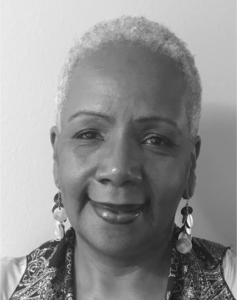 Renell Weathers, Michigan League for Public Policy (MLPP) Community Engagement Consultant. As community engagement consultant, Renell works with organizations throughout the state in connecting the impact of budget and tax policies to their communities. She is motivated by the belief that all children and adults deserve the opportunity to achieve their dreams regardless of race, ethnicity, religion or economic class.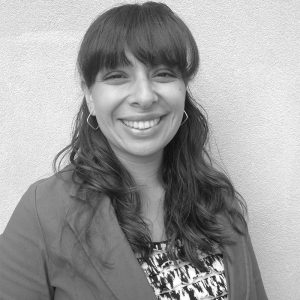
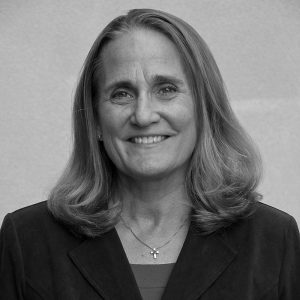

 Emily Jorgensen joined the Michigan League for Public Policy in July 2019. She deeply cares about the well-being of individuals and families and has a great love for Michigan. She is grateful that her position at the League enables her to combine these passions and work to help promote policies that will lead to better opportunities and security for all Michiganders.
 Megan Farnsworth joined the League’s staff in December 2022 as Executive Assistant. Megan is driven by work that is personally fulfilling, and feels honored to help support the work of an organization that pushes for more robust programming and opportunities for the residents of our state. She’s excited and motivated to gain overarching knowledge of the policies and agendas that the League supports.