Updated November 16, 2020
Actions taken so far:
 At the state level, the Michigan Department of Health and Human Services (MDHHS) and the Michigan Department of Education have taken advantage of numerous federal waivers available to maximize the reach of key food programs, including SNAP, WIC and other child nutrition programs. These waivers increase benefits for some SNAP families and provide flexibility to minimize service disruption amid school closures, social distancing protocols and product shortages.
Notably, Michigan was the first state in the nation to be approved for a pandemic electronic benefit transfer (P-EBT) program, which provided food assistance benefits to families of children age 5-18 who are eligible for free or reduced-price school lunch (FRL). Each eligible family received $193.80 per child to offset the cost of replacing school meals in March and April and $182.40 per child for May and June. Through several extensions, the federal government has made P-EBT funding available through September 30, 2021.
Early in the pandemic, MDHHS acted on an option from the federal government to issue emergency allotments (temporary increases in monthly SNAP benefits to families that were not already receiving the maximum benefit). These allotments were initially set to expire in April 2020 but, following several extensions, will continue through November 2020.
Additionally, MDHHS and the state’s EBT vendor have received federal approval to enable online grocery orders and curbside pickup for SNAP users. Only two retailers, Amazon and Walmart, are currently approved to process these transactions. MDHHS is working to promote participation by other retailers. MDHHS has also partnered with the Food Bank Council of Michigan to deliver food boxes to older adults.
 At the federal level, a court has blocked a rule, which was set to take effect on April 1, 2020, that would have made it more difficult during an economic downturn for states to waive work requirements for able-bodied adults without dependents (ABAWDS) who receive benefits through the Supplemental Nutrition Assistance Program (SNAP). Additionally, federal coronavirus relief legislation suspends the work requirements and three-month time limit on benefits for ABAWDs during the health crisis. The federal government has instituted several nationwide waivers that will allow states more flexibility in administering federally funded nutrition programs, streamline the application process and ensure current enrollees don’t lose benefits.
Also, federal coronavirus relief legislation has allocated additional funding to cover new enrollments in SNAP, the Food Distribution Program on Indian Reservations (FDPIR), and child nutrition programs such as the National School Lunch Program (NSLP) and the Special Supplemental Nutrition Program for Women, Infants and Children (WIC); the Emergency Food and Shelter Program administered by the Federal Emergency Management Agency; and the Emergency Food Assistance Program, which provides a significant portion of the food distributed through the charitable feeding network.
Our recommendations: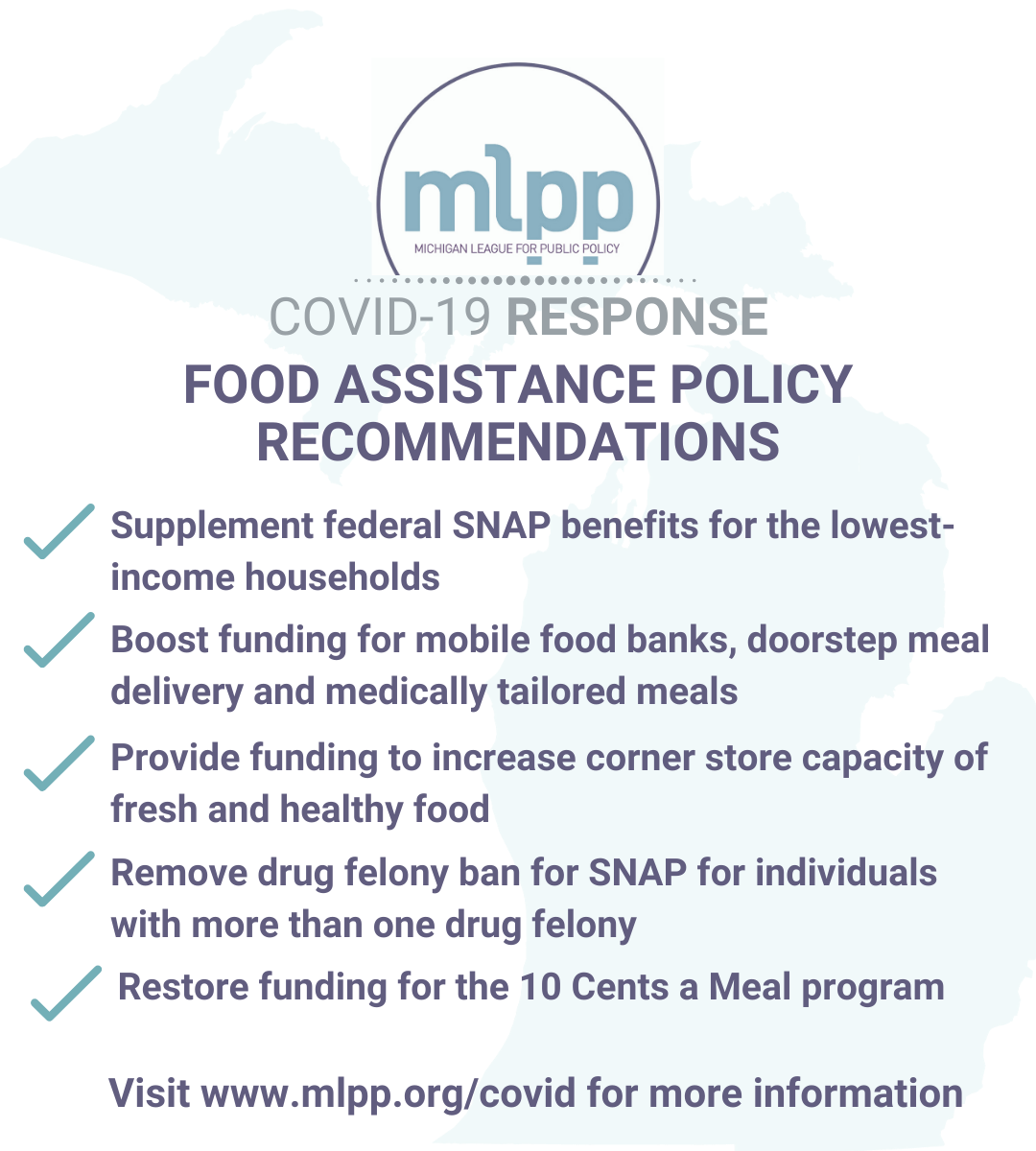
Supplement federal SNAP benefits for the lowest-income households. For SNAP households currently receiving less than the maximum allowable benefit, a waiver from the federal government allows Michigan to issue emergency allotments to increase their benefits to the maximum. Households already receiving the maximum—i.e., the households with the lowest incomes—will not see a benefit increase. The state could provide additional food support for these families.
Boost funding for mobile food banks, home meal delivery and medically tailored meals. These services are critical for disabled people, older adults, and people lacking access to private and public transportation. These people may have specific dietary needs that go unmet when the options left on supermarket shelves in a crisis are limited. Increased state support for these services would ensure continued food access to these people as well as other food pantry clients who must now try to keep trips away from home to a minimum.
Provide funding to increase corner store capacity to stock fresh produce and other healthy food. State legislation to create a grant program for this purpose stalled several years ago. It deserves another look as social distancing practices and economic hardship further constrain transportation options for Michiganders living in communities and neighborhoods not served by full-service grocery stores.
Provide funding to cover the fees associated with grocery delivery or curbside pickup for SNAP users. While Michigan has been approved for EBT transactions for online grocery orders, the SNAP benefits cover only the cost of the food. The fees for grocery services that keep all of us safe can present a budget strain for SNAP users—many of whom have disabilities or other health conditions that place them at high risk for COVID-19. Like shoppers paying with other means, SNAP users should not have to choose between obtaining their food safely and saving money.
Permanently remove the drug felony ban for SNAP for individuals with more than one drug felony. Returning citizens face numerous barriers to their basic needs, including employment, housing and food security. Food assistance provided through SNAP is proven to reduce recidivism, but for a number of years the state’s policy banned individuals with more than one drug felony conviction from receiving SNAP benefits. This ban may distinctly affect people with disabilities, who disproportionately experience hunger and also are overrepresented in jails and prisons due to multiple systemic barriers to healthcare and other necessary supports. This prevents thousands of Michiganders from receiving supplementary income that can keep their children and families healthy during this crisis and improve the likelihood of successfully remaining in their communities afterward. Fortunately, the Michigan Legislature chose to discontinue the ban for the 2021 budget year; however, a statutory amendment is necessary to ensure that it is not reinstated in the future.
Increase funding for the 10 Cents a Meal program, which provides incentives for schools to purchase healthy food grown in Michigan. Since the program’s beginning in the 2016 school year as a pilot available in 22 Michigan counties, the Legislature has gradually increased funding to enable expansion to school districts in additional counties, reaching 43 counties in 2019. For the 2020 budget year, the Legislature proposed another funding increase to give school districts statewide as well as childcare centers the opportunity to apply for a 10 Cents grant, but the budget process was stalled by disagreements with the Governor, followed by school closures due to COVID-19 and the state’s ensuing fiscal woes. The state was finally able to use CARES Act money to restore program funding for the 2020 budget at the previous level–a great benefit for students in the 43 counties where 10 Cents was already available.
Thankfully, with state revenues coming in higher than expected, the Legislature was able to expand eligibility for the program statewide and include child care centers in the 2021 budget. This funding, however, is still not enough to cover all school districts and child care centers that might want to participate. Applicants continue to receive the money through a competitive grant process, so another funding increase would help meet demand for the program.
This crisis has put a spotlight on the importance of school meals for the state’s children, particularly those experiencing food insecurity. As school districts adapt to continue serving kids trying to learn under extremely challenging circumstances, maximizing the nutritional value of school meals is more important than ever. Resources to ensure children throughout Michigan receive the health and educational benefits of 10 Cents are key to the state’s vitality during and after the COVID crisis. Additionally, the program will provide a boost to Michigan agriculture just when our economy needs it most and leave the state less vulnerable to disruptions in the national food supply chain.
Why Michigan must act now:
- The link between food security and health is well established. Ensuring sufficient food and proper nutrition is of the utmost importance during a public health emergency.
- Even under normal circumstances, 1 in 7 Michiganders doesn’t have enough to eat; among children, that number is 1 in 6. Hunger disproportionately affects people of color, disabled people, older adults, rural residents and families with children. Food-insecure families cannot afford to stock up to weather a crisis or minimize shopping trips to comply with social distancing guidance.
- At the same time that COVID-related job losses have slashed household resources to meet their basic needs, food prices have risen faster than they have in decades. The expiration of enhanced unemployment benefits could force many families to make further budget tradeoffs between nutritious food and other necessities like rent and healthcare.
- Referrals to food pantries have consistently been one of the top COVID-related reasons Michiganders have contacted 2-1-1, a free service that connects residents to assistance with basic needs.
- Due to the public charge rule and other xenophobic measures, many enhancements to SNAP and other federal nutrition programs will not help immigrant families who have been scared away from using benefits for which they are eligible.
- An estimated 1.8 million people in Michigan, including more than 300,000 children, live in communities with few affordable healthy food options, and must depend on smaller convenience stores where the offerings typically have low nutritional value.
- The COVID-19 crisis has exacerbated hunger for people living on low incomes, in food deserts, and with disabilities as panicked shoppers have hoarded pantry staples and increased demand for grocery delivery has led to long wait times.
- Although many nutrition programs, schools and charitable food providers have admirably adapted to continue serving the public, there may still be clients whom they cannot reach under current constraints.
- In addition to ensuring food affordability and access on the demand side, state policy should also address the supply side by strengthening food systems.


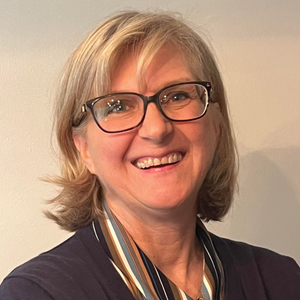 Betsy Zobl-Tar
  Jay Cutler joined the League in March 2026 as the Kids Count Senior Data Analyst, where he collects, analyzes, and prepares data for Kids Count in Michigan.
 Danielle Taylor-Basemore joined the League as the Development Data and Stewardship Coordinator in June 2025. She brings with her five years of nonprofit experience with a special focus on community engagement, data visualization and strategic programming. Prior to joining the League, Danielle served as the Business District, Safety, and Digital Manager at Jefferson East, Inc.
 Scott Preston is a Senior Policy Analyst with the Michigan League for Public Policy, where he leads the organization’s immigration and criminal justice reform portfolios. In the three years prior to joining the League, Scott facilitated the Southeast Michigan Refugee Collaborative and managed a small business economic development program at Global Detroit. His work included launching Michigan’s first Refugee Film Festival and building on a trusted connector model that linked marginalized communities with crucial resources. Scott’s work at the League is informed by his background in journalism and research. He spent four years covering the Syrian refugee crisis in the Middle East for publications such as The Economist, and later worked with unaccompanied refugee minors through Samaritas. Scott holds a master’s degree in international migration and public policy from the London School of Economics and Political Science.
 Kate Powers joined the League as the Chief Development Officer in February 2025. Prior to joining the League, Kate held leadership positions at many Michigan nonprofit organizations, most recently serving as the COO and Chief Development Officer of Ele’s Place. Kate has spent the bulk of her career in fundraising, with a short stint in the state Legislature as a legislative aide to members in both chambers. Kate is a graduate of Michigan State University’s James Madison College with a Bachelor of Arts in Social Relations and has a certificate in fundraising management from the Lilly Family School of Philanthropy at Indiana University. Additionally, Kate served on the East Lansing Public Schools Board of Education and is a past President of the Junior League of Lansing. In her free time, she enjoys traveling with her husband and her son and saving outfit of the day and home decor ideas on Pinterest.
  Nicholas Hess joined the League as the Fiscal Policy Analyst in September of 2024. In this role, Nicholas focuses on tax policy, government revenue, and their impact on working families and racial equity, including the effects of the Earned Income Tax Credit (EITC) and Child Tax Credit (CTC). Nicholas values the role that judicious fiscal policy can play in the improvement of people’s lives and the economy, alleviating inequities along the way.
 Audrey Matusz joined the League as the Visual Communications Specialist in September 2024. She supports the team with implementing social media strategies and brainstorming creative ways to talk about public policy. She brings with her nearly a decade of experience in producing digital products for evidence-based social justice initiatives.
  Jacob Kaplan
  Donald Stuckey
  Alexandra Stamm
 Amari Fuller
 Mikell Frey is a communications professional with a passion for using the art of storytelling to positively impact lives. She strongly believes that positive social change can be inspired by the sharing of data-driven information coupled with the unique perspectives of people from all walks of life across Michigan, especially those who have faced extraordinary barriers.



 Yona Isaacs (she/hers) is an Early Childhood Data Analyst for the Kids Count project. After earning her Bachelor of Science in Biopsychology, Cognition, and Neuroscience at the University of Michigan, she began her career as a research coordinator in pediatric psychiatry using data to understand the impacts of brain activity and genetics on children’s behavior and mental health symptoms. This work prompted an interest in exploring social determinants of health and the role of policy in promoting equitable opportunities for all children, families, and communities. She returned to the University of Michigan to complete her Masters in Social Work focused on Social Policy and Evaluation, during which she interned with the ACLU of Michigan’s policy and legislative team and assisted local nonprofit organizations in creating data and evaluation metrics. She currently serves as a coordinator for the Michigan Center for Youth Justice on a project aiming to increase placement options and enhance cultural competency within the juvenile justice system for LGBTQIA+ youth. Yona is eager to put her data skills to work at the League in support of data-driven policies that advocate for equitable access to healthcare, education, economic security, and opportunity for 0-5 year old children. In her free time, she enjoys tackling DIY house projects and trying new outdoor activities with her dog.
 Rachel Richards rejoined the League in December 2020 as the Fiscal Policy Director working on state budget and tax policies. Prior to returning to the League, she served as the Director of Legislative Affairs for the Michigan Department of Treasury, the tax policy analyst and Legislative Director for the Michigan League for Public Policy, and a policy analyst and the Appropriations Coordinator for the Democratic Caucus of the Michigan House of Representatives. She brings with her over a decade of experience in policies focused on economic opportunity, including workforce issues, tax, and state budget.
 Simon Marshall-Shah joined the Michigan League for Public Policy as a State Policy Fellow in August 2019. His work focuses on state policy as it relates to the budget, immigration, health care and other League policy priorities. Before joining the League, he worked in Washington, D.C. at the Association for Community Affiliated Plans (ACAP), providing federal policy and advocacy support to nonprofit, Medicaid health plans (Safety Net Health Plans) related to the ACA Marketplaces as well as Quality & Operations.

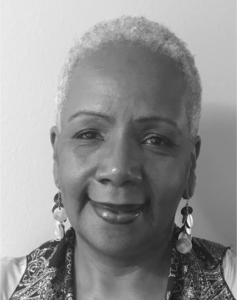 Renell Weathers, Michigan League for Public Policy (MLPP) Community Engagement Consultant. As community engagement consultant, Renell works with organizations throughout the state in connecting the impact of budget and tax policies to their communities. She is motivated by the belief that all children and adults deserve the opportunity to achieve their dreams regardless of race, ethnicity, religion or economic class.



 Emily Jorgensen joined the Michigan League for Public Policy in July 2019. She deeply cares about the well-being of individuals and families and has a great love for Michigan. She is grateful that her position at the League enables her to combine these passions and work to help promote policies that will lead to better opportunities and security for all Michiganders.
 Megan Farnsworth joined the League’s staff in December 2022 as Executive Assistant. Megan is driven by work that is personally fulfilling, and feels honored to help support the work of an organization that pushes for more robust programming and opportunities for the residents of our state. She’s excited and motivated to gain overarching knowledge of the policies and agendas that the League supports.