How The League Uses Language: Index of Terms
To reflect the evolution of language and varied preferences among different communities, generations and regions, the League alternates between a variety of terms, including person-first and identity-first language as well as binary and non-binary language. In referencing specific data, the League uses the exact terminology from the original source. Readers can explore this guide for further information.
RACE & ETHNICITY
-American Indian or Alaska Native:* Individuals with origins in any of the original peoples from North and South America, including Central America, and who maintain tribal affiliation or community attachment. Indigenous people, First People and Native people are also considered to be respectful, general terms. Michigan is home to a total of 12 federally-acknowledged tribes. American Indian and Native American are often used interchangeably in the U.S.; however, Indigenous people often have individual preferences on how they like to be addressed and many identify with their specific nation or tribe. (American Indian, Alaska Native, Indigenous, and First People are always capitalized.)
–Arab: Arab is an umbrella term for a pan-ethnic group of people, composed of many ethnicities, that mainly inhabit or descend from Western Asia and North Africa. Most Arabs speak Arabic, which is a language and not meant to refer to the people, though you could say “Arabic-speaking people.” Arab Americans are Americans of Arab ancestry. (See ‘Middle Eastern or North African (MENA).’) (Arab is always capitalized.)
–Asian:* Individuals who identify with one or more nationalities or ethnic groups originating in the Far East, Southeast Asia or the Indian subcontinent. Asian Americans are Americans of Asian ancestry. (Asian is always capitalized.)
–BIPOC: Stands for Black, Indigenous and People of Color. Some individuals and groups have embraced this descriptor (as well as people of color), while others feel alienated or unacknowledged by it. More specific descriptors should be used when they are known or relevant.
–Black/African American:* Individuals having origins in any of the Black racial groups of Africa or other countries. The most inclusive term is Black people, denoting a shared sense of identity and experience in the United States related to skin color. Black people trace their origins to many countries, languages and ethnicities. African American is technically accurate for individuals and groups who identify as Americans and trace their ancestry to Africa. Afro-Caribbean American denotes people who identify as Americans and trace their ancestry to both Africa and the Caribbean. Caribbean American denotes those who identify as American and solely with Caribbean ancestry. There are many other variations. An African is a person of African descent. Africans may be various races. Some do not identify with Black or African American culture. (Black and African American are always capitalized.)
-Black and Brown people: The term “Brown” can be a broad racial, ethnic or cultural reference. It is sometimes used by Hispanic, Latina/o/x, South Asian and other people in speeches, presentations and discussions. The term can be appropriate based on context, messenger and audience. The terms also are appropriate as part of a formal name or direct quotation. (Black and Brown are always capitalized.)
The League uses “Brown” solely in references to Black and Brown people, for example: “We have to stop these discriminatory practices that are hurting the health of Black and Brown people.” In this instance, the context and messenger are appropriate. Using the term “Brown” alone in the wrong context can be offensive and demeaning and should be avoided.
–Hispanic:* Individuals who have lineage to a Spanish-speaking country, or whose heritage derives from it. It is not a prerequisite to speak Spanish. (Hispanic is always capitalized.)
–Latinx/Latino/Latina:* Individuals of Latin American origin or descent. Latinx, Latino and Latina are always capitalized. The term Latinx is a gender-neutral or nonbinary alternative to Latino or Latina. Some argue that Latinx is an anglicized term that doesn’t reflect the nuances of the language. The League only uses this term when citing specific data or sources.
–Mesoamerican Indigenous: A term used to describe Indigenous people from Mexico and Central America. (Mesoamerican Indigenous is always capitalized.)
–Middle Eastern or North African (MENA): Individuals who descend from or have origins in Middle Eastern and North African countries, including Arabic-speaking groups, such as Egyptian and Jordanian, and non-Arabic-speaking groups, such as Iranian and Israeli. It also includes ethnic and transnational groups from the region, such as Assyrian and Kurdish. (Middle Eastern and North African are always capitalized.)
–Multiracial, biracial: Made up of or relating to people of two or more races.
–Native Hawaiian:* The aboriginal Polynesian people of the Hawaiian Islands and/or their descendants. (Native Hawaiian is always capitalized.)
–Non-Hispanic:* Data sources sometimes use Non-Hispanic White, Non-Hispanic Black, Non-Hispanic Asian/Pacific Islander and Non-Hispanic Other as race terms because Hispanics can be of any racial background and their numbers are reported separately from non-Hispanics for each race group. (Hispanic is always capitalized.)
–Pacific Islander:* Individuals whose origins are the original peoples of Polynesia, Micronesia, and Melanesia. Polynesia includes Hawaii (Native Hawaiian), Samoa (Samoan), American Samoa (Samoan), Tokelau (Tokelauan), Tahiti (Tahitian), and Tonga (Tongan). (Pacific Islander is always capitalized.)
–White:* A person having origins in any of the original peoples of Europe, the Middle East or North Africa. (The League does not capitalize ‘white.’)
*These are the terms found most often in data sources. The League strives to be as explicit as possible when discussing race and ethnicity, but often a lack of disaggregated data prevents us from knowing one’s identity. Data disaggregation by race and ethnicity is critical to identifying pressing social concerns and developing effective, equitable policy solutions. Many data sources, however, omit certain races and ethnicities or collapse them into an “Other” category. This renders these groups invisible and masks notable economic, social and health disparities both between and within them. This affects American Indians/Alaska Natives, Asians, Pacific Islanders and Native Hawaiians in particular. Throughout this report and as standard practice, we present disaggregated data whenever it is available, and we continue to advocate for disaggregation to the greatest extent possible by data collection and research entities.
PARENT/CAREGIVER TERMS
-Caregiver/primary caregiver: A primary caregiver is a person who assumes care for another who is not yet or no longer able to care for themselves. Primary caregivers may care for an older adult, a child/children, a disabled relative, or any other family member or friend who needs help with daily activities.
-Grandfamilies: When grandparents serve as the primary caregiver for youth, raising children on their own or in conjunction with other family members.
-Kinship care: The full-time care, nurturing, and protection of children by relatives, members of their tribes or clans, godparents, stepparents, or any adult who has a kinship bond with a child. This definition is designed to be inclusive and respectful of cultural values and ties of affection. It allows a child to grow into adulthood in a family environment. (In some jurisdictions can also be close family friends, referred to as “fictive kin.”)
-Low-birthweight babies: Low birthweight includes those babies who weighed less than 2,500 grams (approximately 5 lb., 8 oz.) at birth.
-Parent(s): A person who begets or brings forth offspring, a person who brings up and cares for another. May include a mother or mothers, a father or fathers, a nonbinary parent, and foster or adoptive parents.
-Pregnancy
- Pregnant women or pregnant girls is phrasing commonly used. Pregnant people is also used to include minors or people who have those experiences, but do not identify as women, such as some transgender men and some nonbinary people.
DISABILITY TERMS
-Accessible: when a person with a disability is afforded the opportunity to acquire the same information, engage in the same interactions and enjoy the same services as a person without a disability in an equally effective and equally integrated manner, with substantially equivalent ease of use. The person with a disability must be able to obtain the information as fully, equally and independently as a person without a disability.
–Adaptable: In the ADA, an adaptable dwelling unit has all the accessible features that a fixed accessible unit has, but allows some items to be omitted or concealed until needed so the dwelling units can look the same as others and be better matched to individual needs when occupied.
-Cognitive impairment: A cognitive impairment (also known as an intellectual disability) is a term used when a person has certain limitations in mental functioning and in skills such as communication, self-help, and social skills. These limitations will cause a child to learn and develop more slowly than a typical child.
-Disability/disabled: The terms disabilities and disabled include a broad range of physical, psychological, developmental and intellectual conditions both visible and invisible.
-Disability prevalence: The percentage or number of persons reporting disabilities.
-Disabled people/people with disabilities: Perceptions of disabilities vary widely. Language about disabilities is both wide-ranging and evolving. Disabled people are not monolithic. They use diverse terms to describe themselves. Many, for example, use the term people with disabilities. Both people with disabilities and disabled people are acceptable terms, but try to determine the preference of a person or group. Use care and precision, considering the impact of specific words and the terms used by the people you are writing about.
When possible, ask people how they want to be described. Be mindful that the question of identity-first vs. person-first language is vital for many.
-Invisible disabilities: The majority of people with disabilities have chronic conditions that are invisible or hidden. Although many in the general public associate disability with people using wheelchairs or canes or who are missing limbs, more people have conditions that can’t be seen but are defined as disabilities under the 1990 Americans with Disabilities Act (ADA). For example, millions of Americans are hard of hearing, but most do not use sign language and many do not use hearing aids. Intellectual, developmental or mental health disabilities are prevalent invisible disabilities. Many chronic health conditions also are considered invisible disabilities, depending on their severity and impact on daily living.
GENDER IDENTITY & SEXUAL ORIENTATION
–Bisexual: A person emotionally, romantically or sexually attracted to more than one gender, though not necessarily simultaneously, in the same way or to the same degree. Sometimes used interchangeably with pansexual.
–Cisgender: People who identify with their assigned gender. From the Latin prefix cis-, which means “on this side of,” as opposed to trans-, which means “on the other side of.”
–Gay: A person who is emotionally, romantically or sexually attracted to members of the same gender. Men, women and non-binary people may use this term to describe themselves.
–Gender-affirming care: As defined by the World Health Organization, gender affirming care encompasses a range of social, psychological, behavioral and medical interventions “designed to support and affirm an individual’s gender identity” when it conflicts with the gender they were assigned at birth.
–Gender expression: External appearance of one’s gender identity, usually expressed through behavior, clothing, body characteristics or voice, and which may or may not conform to socially defined behaviors and characteristics typically associated with being either masculine or feminine.
–Gender identity: One’s innermost concept of self as male, female, a blend of both or neither–how individuals perceive themselves and what they call themselves. One’s gender identity can be the same or different from their sex assigned at birth.
–Lesbian: A woman who is emotionally, romantically or sexually attracted to other women. Women and non-binary people may use this term to describe themselves.
–LGBTQ+: An acronym for lesbian, gay, bisexual, transgender and queer with a + sign to recognize the limitless sexual orientations and gender identities used by members of the LGBTQ+ community.
-Non-binary: An adjective describing a person who does not identify exclusively as a man or a woman. Non-binary people may identify as being both a man and a woman, somewhere in between, or as falling completely outside these categories. While many also identify as transgender, not all non-binary people do. Non-binary can also be used as an umbrella term encompassing identities such as agender, bigender, genderqueer or gender-fluid.
–Sexual orientation: An inherent or immutable enduring emotional, romantic or sexual attraction to other people. An individual’s sexual orientation is independent of their gender identity.
–Transgender: An umbrella term for people whose gender identity and/or expression is different from cultural expectations based on the sex they were assigned at birth. Being transgender does not imply any specific sexual orientation. Therefore, transgender people may identify as straight, gay, lesbian, bisexual, etc.
-Queer: A term people often use to express a spectrum of identities and orientations that are counter to the mainstream. Queer is often used as a catch-all to include many people, including those who do not identify as exclusively straight and/or folks who have non-binary or gender-expansive identities. This term was previously used as a slur, but has been reclaimed by many parts of the LGBTQ+ movement.
DEI TERMS
The four levels of racism are internalized, interpersonal, institutional and structural. According to Race Forward, the levels are defined as follows:
- Internalized racism lies within individuals. These are private beliefs and biases about race that reside inside our own minds and bodies. For white people, this can be internalized privilege, entitlement, and superiority; for people of color, this can be internalized oppression. Examples: prejudice, xenophobia, conscious and unconscious bias about race, influenced by the white supremacy.
- Interpersonal racism occurs between individuals. Bias, bigotry, and discrimination based on race. Once we bring our private beliefs about race into our interactions with others, we are now in the interpersonal realm. Examples: public expressions of prejudice and hate, microaggressions, bias and bigotry between individuals.
- Institutional racism occurs within institutions. It involves unjust policies, practices, procedures, and outcomes that work better for white people than people of color, whether intentional or not. Example: A school district that concentrates students of color in the most overcrowded, under-funded schools with the least experienced teachers.
- Structural racism is racial inequities across institutions, policies, social structures, history, and culture. Structural racism highlights how racism operates as a system of power with multiple interconnected, reinforcing, and self-perpetuating components which result in racial inequities across all indicators for success. Structural racism is the racial inequity that is deeply rooted and embedded in our history and culture and our economic, political, and legal systems. Examples: The “racial wealth gap,” where white people have many times the wealth of people of color, resulting from the history and current reality of institutional racism in multiple systems.
- While it’s not included in the levels of racism from Race Forward, there is another form of racism that is important to identify here: Personally mediated racism. It is defined as the following in “A Gardener’s Tale” by Dr. Camara Jones:
- Personally-mediated racism is defined as prejudice and discrimination, where prejudice means differential assumptions about the abilities, motives, and intentions of others according to their race, and discrimination means differential actions toward others according to their race. This is what most people think of when they hear the word “racism.” Personally mediated racism can be intentional as well as unintentional, and it includes acts of commission as well as acts of omission. It manifests as lack of respect (poor or no service, failure to communicate options), suspicion (shopkeepers’ vigilance; everyday avoidance, including street crossing, purse clutching, and standing when there are empty seats on public transportation), devaluation (surprise at competence, stifling of aspirations), scapegoating, and dehumanization (police brutality, sterilization abuse, hate crimes).
-Ableism: Discrimination or oppression from an individual or institutional level against people with disabilities; the idea that disability is a bad thing.
-Ageism: Discrimination based on age – usually negatively stereotyping older adults or the aging process but also patronizing or underestimating the abilities of younger people.
-Audism: Discrimination or prejudice that is based on a person’s ability, or lack of ability, to hear, including ideologies or belief systems that cause the discrimination.
-Discrimination: Actions based on conscious or unconscious prejudice that favor one group over others in the provision of goods, services or opportunities, such as housing or employment. The unequal treatment of members of various groups based on race, gender, social class, sexual orientation, physical ability, religion, and/or other categories. “Systemic discrimination” refers to discrimination that has been upheld or ignored by laws, policies or systems.
-Disparities: A disparity is a difference in level or treatment, especially one that is seen as unfair. For example, racial disparity refers to the imbalances and incongruities between the treatment of racial groups, including economic status, income, housing options, societal treatment, safety, and myriad other aspects of life and society. Contemporary and past discrimination in the U.S., and globally, has profoundly impacted the inequalities seen in society today.
-Equity: Ensures that outcomes in the conditions of well-being are improved for marginalized groups, lifting outcomes for all. Equity is a measure of justice.
- Equitable
- racial equity: Racial equity is a process of eliminating racial disparities and improving outcomes for everyone. It is the intentional and continual practice of changing policies, practices, systems, and structures by prioritizing measurable change in the lives of people of color.
- racial inequity
- income inequity
-Historically marginalized people: Historically marginalized communities are groups who have been relegated to the lower or peripheral edge of society. Many groups were (and some continue to be) denied full participation in mainstream cultural, social, political, and economic activities. Marginalized communities can include people of color, women, LGBTQ+, low-income individuals, prisoners, the disabled, senior citizens, and many more. Many of these communities were ignored or misrepresented in traditional historical sources.
-Predatory lending: Broadly defined, the fraudulent, deceptive and unfair tactics some people use to trick others into loans that are unaffordable. It can also mean imposing unfair, deceptive, or abusive loan terms on borrowers.
-Racial justice: Racial Justice is a vision and transformation of society to eliminate racial hierarchies and advance collective liberation, where Black, Indigenous, Latinx, Asian Americans, Native Hawaiians, and Pacific Islanders, in particular, have the dignity, resources, power, and self-determination to fully thrive.
-Racial wealth divide/gap: Where white people have many times the wealth of people of color, resulting from the history and current reality of institutional racism in multiple systems.
-Redlining: A form of discrimination when a lender rejects a home loan in a certain neighborhood based on race or ethnicity. Redlining codified many racist policies and practices in the United States, including in Michigan, upholding racism and segregation, and is one of the major contributing factors of economic injustices based on race.
-Stereotype: A standardized mental picture that is held in common by members of a group and that represents an oversimplified opinion, prejudiced attitude, or uncritical judgment.
-Structural racism: Racial inequities across institutions, policies, social structures, history, and culture. Structural racism highlights how racism operates as a system of power with multiple interconnected, reinforcing, and self-perpetuating components which result in racial inequities across all indicators for success. Structural racism is the racial inequity that is deeply rooted and embedded in our history and culture and our economic, political, and legal systems.
-Systemic racialization: Describes a dynamic system that produces and replicates racial ideologies, identities and inequities. Systemic racialization is the well-institutionalized pattern of discrimination that cuts across major political, economic and social organizations in a society. Public attention to racism is generally focused on the symptoms (such as a racist slur or the adultification of Black women and girls by an individual or group) rather than the system of racial inequity.
-Systemic racism: the oppression of a racial group to the advantage of another as perpetuated by inequity within interconnected systems (such as political, economic, and social systems).
JUSTICE-INVOLVED TERMS
-Arrestee: A person who has been arrested.
-Justice-impacted individuals: Include those who have been incarcerated or detained in a prison, immigration detention center, local jail, juvenile detention center, or any other carceral setting, those who have been convicted but not incarcerated, those who have been charged but not convicted, and those who have been arrested.People who are now, or have spent time, in jails, youth correctional facilities or prisons.
-Returning citizen: A person who was previously incarcerated, an individual who has recently been released from a federal, state or local correctional facility.
HOUSEHOLD INCOME TERMS
-Families with low incomes: Defined by the U.S. Department of Housing and Urban Development (HUD) as families whose incomes do not exceed 80 percent of the median family income for the area. Families with very low-incomes are defined by HUD as families whose incomes do not exceed 50 percent of the median family income for the area. Families with low incomes may also be referred to as families that struggle to make ends meet, cost-burdened households or families that are economically disadvantaged.
-Poverty: The United Nations observes that, worldwide, “frequently, poverty is defined in either relative or absolute terms. Absolute poverty measures poverty in relation to the amount of money necessary to meet basic needs such as food, clothing and shelter. Relative poverty defines poverty in relation to the economic status of other members of the society: people that fall below prevailing standards of living in a given societal context.
-Federal Poverty Level: A measure of income issued every year by the U.S. Department of Health and Human Services. In 2023, the Federal Poverty Level in the U.S. The current poverty guidelines are available here: https://aspe.hhs.gov/topics/poverty-economic-mobility/poverty-guidelines.
-ALICE: An acronym that stands for Asset Limited, Income Constrained, Employed. ALICE households earn just above the Federal Poverty Level, but less than what it costs to make ends meet.
FOOD/NUTRITION TERMS
-Food desert: According to the Annie E. Casey Foundation, food deserts are geographic areas where residents have few to no convenient options for securing affordable and healthy foods— especially fresh fruits and vegetables. Disproportionately found in high-poverty areas, food deserts create extra, everyday hurdles that can make it harder for kids, families and communities to grow healthy and strong.
-Food insecurity: Limited or uncertain availability of nutritionally adequate and safe food; limited or uncertain ability to acquire acceptable food in socially acceptable ways.
-Food swamp: Areas with a higher density of fast food and junk food options than healthy food options. Food swamps often coincide with food deserts.
-Hunger: A potential consequence of food insecurity that, because of prolonged, involuntary lack of food, results in discomfort, illness, weakness or pain that goes beyond the usual uneasy sensation.
IMMIGRATION TERMS
-Immigrant children:
- First-generation immigrant children: This term typically refers to foreign-born children with at least one foreign-born parent.
- Second-generation immigrant children: This term typically refers to native-born children with at least one foreign-born parent.
- Children in immigrant families: Generally, this term includes both first- and second-generation immigrant children.
-Lawful/legal permanent residents (LPRs): Those who have a “green card.” A green card holder, or lawful permanent resident, has authorization to permanently live and work in the United States. Green card holders have all the benefits of U.S. citizenship except voting.
-Foreign-born, lawfully present people:
- Immigrants: The term generally refers to people who move to a different country with the intention of settling there. This term, rather than migrants, is most commonly used for people established in the U.S., which usually is their final destination. It also is used when another specific country is the final destination.
- Nonimmigrants: People who are admitted into the country temporarily for study or work. Examples: • Students (F-1 visa) • Business visitors or tourists (B1/B2 visas) • Fiancées (K-1 visa) • Individuals granted temporary protected status
-Undocumented immigrants, laborers and those who cannot prove their legal presence: People who are in the U.S. without permission are undocumented either because they overstayed a legal temporary visa or they entered the U.S. without going through a port of entry. They are not authorized to work or access public benefits. People who are undocumented risk being deported. This creates a highly stressful and unstable living situation.
-Limited English Proficient (LEP) individuals: Those five years old or older who self-identify as speaking English, but less than “very well” on a scale of “not at all,” “not well,” “well,” or “very well.”
-Migrants: Generally, a migrant refers to someone who changed his or her country of usual residence regardless of the reason. It may be voluntary or forced migration, and it may be temporary or permanent.
-U.S. citizen: Citizenship usually is acquired when a child is born in the United States, Puerto Rico, Guam, the U.S. Virgin Islands or the Northern Marianas or born abroad to American parents. Citizenship also can be obtained through the naturalization process.
OTHER TERMS
-Homelessness: Generally refers to people staying in shelters or on the street.
-Michiganders experiencing homelessness: Used to describe people without a fixed residence.
-Housing insecurity: Umbrella term that encompasses several dimensions of housing problems people may experience, including affordability, safety, quality, insecurity and loss of housing.
-Older adults, older person/people, 65+, older than 65: Preferred over senior citizens, seniors or elderly as a general term when appropriate and relevant.
-High housing cost burden: Households spending 30% or more of their income on housing costs.
These definitions were adapted from these sources:
Annie E. Casey Foundation Immigration Definitions
Annie E. Casey Foundation Racial Justice Definitions
Associated Press Stylebook
Howard University School of Law
Law School Admission Council (LSAC)
Michigan State University Kinship Care Resource Center
Michigan Alliance for Families
National Center on Disability and Journalism
North Carolina State University Disability Resource Office
Oregon Health and Science University

 Betsy Zobl-Tar
 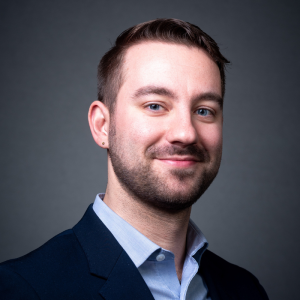 Jay Cutler joined the League in March 2026 as the Kids Count Senior Data Analyst, where he collects, analyzes, and prepares data for Kids Count in Michigan.
 Danielle Taylor-Basemore joined the League as the Development Data and Stewardship Coordinator in June 2025. She brings with her five years of nonprofit experience with a special focus on community engagement, data visualization and strategic programming. Prior to joining the League, Danielle served as the Business District, Safety, and Digital Manager at Jefferson East, Inc.
 Scott Preston is a Senior Policy Analyst with the Michigan League for Public Policy, where he leads the organization’s immigration and criminal justice reform portfolios. In the three years prior to joining the League, Scott facilitated the Southeast Michigan Refugee Collaborative and managed a small business economic development program at Global Detroit. His work included launching Michigan’s first Refugee Film Festival and building on a trusted connector model that linked marginalized communities with crucial resources. Scott’s work at the League is informed by his background in journalism and research. He spent four years covering the Syrian refugee crisis in the Middle East for publications such as The Economist, and later worked with unaccompanied refugee minors through Samaritas. Scott holds a master’s degree in international migration and public policy from the London School of Economics and Political Science.
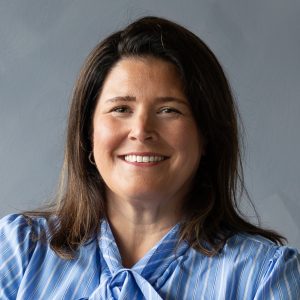 Kate Powers joined the League as the Chief Development Officer in February 2025. Prior to joining the League, Kate held leadership positions at many Michigan nonprofit organizations, most recently serving as the COO and Chief Development Officer of Ele’s Place. Kate has spent the bulk of her career in fundraising, with a short stint in the state Legislature as a legislative aide to members in both chambers. Kate is a graduate of Michigan State University’s James Madison College with a Bachelor of Arts in Social Relations and has a certificate in fundraising management from the Lilly Family School of Philanthropy at Indiana University. Additionally, Kate served on the East Lansing Public Schools Board of Education and is a past President of the Junior League of Lansing. In her free time, she enjoys traveling with her husband and her son and saving outfit of the day and home decor ideas on Pinterest.
  Nicholas Hess joined the League as the Fiscal Policy Analyst in September of 2024. In this role, Nicholas focuses on tax policy, government revenue, and their impact on working families and racial equity, including the effects of the Earned Income Tax Credit (EITC) and Child Tax Credit (CTC). Nicholas values the role that judicious fiscal policy can play in the improvement of people’s lives and the economy, alleviating inequities along the way.
 Audrey Matusz joined the League as the Visual Communications Specialist in September 2024. She supports the team with implementing social media strategies and brainstorming creative ways to talk about public policy. She brings with her nearly a decade of experience in producing digital products for evidence-based social justice initiatives.
  Jacob Kaplan
  Donald Stuckey
  Alexandra Stamm
 Amari Fuller
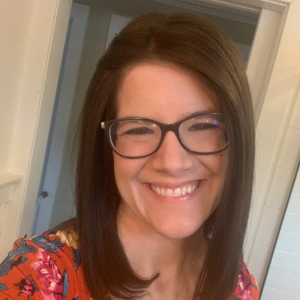 Mikell Frey is a communications professional with a passion for using the art of storytelling to positively impact lives. She strongly believes that positive social change can be inspired by the sharing of data-driven information coupled with the unique perspectives of people from all walks of life across Michigan, especially those who have faced extraordinary barriers.
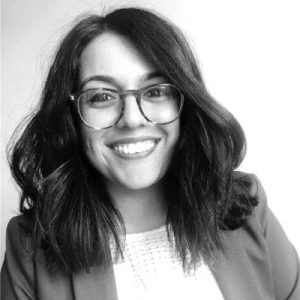


 Yona Isaacs (she/hers) is an Early Childhood Data Analyst for the Kids Count project. After earning her Bachelor of Science in Biopsychology, Cognition, and Neuroscience at the University of Michigan, she began her career as a research coordinator in pediatric psychiatry using data to understand the impacts of brain activity and genetics on children’s behavior and mental health symptoms. This work prompted an interest in exploring social determinants of health and the role of policy in promoting equitable opportunities for all children, families, and communities. She returned to the University of Michigan to complete her Masters in Social Work focused on Social Policy and Evaluation, during which she interned with the ACLU of Michigan’s policy and legislative team and assisted local nonprofit organizations in creating data and evaluation metrics. She currently serves as a coordinator for the Michigan Center for Youth Justice on a project aiming to increase placement options and enhance cultural competency within the juvenile justice system for LGBTQIA+ youth. Yona is eager to put her data skills to work at the League in support of data-driven policies that advocate for equitable access to healthcare, education, economic security, and opportunity for 0-5 year old children. In her free time, she enjoys tackling DIY house projects and trying new outdoor activities with her dog.
 Rachel Richards rejoined the League in December 2020 as the Fiscal Policy Director working on state budget and tax policies. Prior to returning to the League, she served as the Director of Legislative Affairs for the Michigan Department of Treasury, the tax policy analyst and Legislative Director for the Michigan League for Public Policy, and a policy analyst and the Appropriations Coordinator for the Democratic Caucus of the Michigan House of Representatives. She brings with her over a decade of experience in policies focused on economic opportunity, including workforce issues, tax, and state budget.
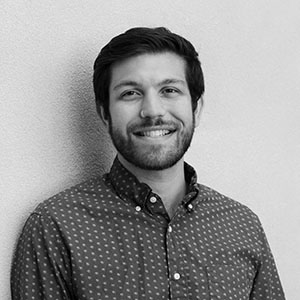 Simon Marshall-Shah joined the Michigan League for Public Policy as a State Policy Fellow in August 2019. His work focuses on state policy as it relates to the budget, immigration, health care and other League policy priorities. Before joining the League, he worked in Washington, D.C. at the Association for Community Affiliated Plans (ACAP), providing federal policy and advocacy support to nonprofit, Medicaid health plans (Safety Net Health Plans) related to the ACA Marketplaces as well as Quality & Operations.


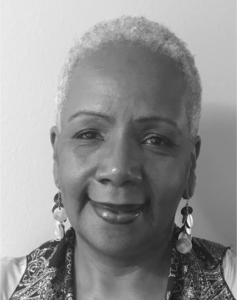 Renell Weathers, Michigan League for Public Policy (MLPP) Community Engagement Consultant. As community engagement consultant, Renell works with organizations throughout the state in connecting the impact of budget and tax policies to their communities. She is motivated by the belief that all children and adults deserve the opportunity to achieve their dreams regardless of race, ethnicity, religion or economic class.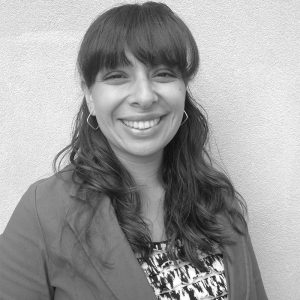

 Emily Jorgensen joined the Michigan League for Public Policy in July 2019. She deeply cares about the well-being of individuals and families and has a great love for Michigan. She is grateful that her position at the League enables her to combine these passions and work to help promote policies that will lead to better opportunities and security for all Michiganders.
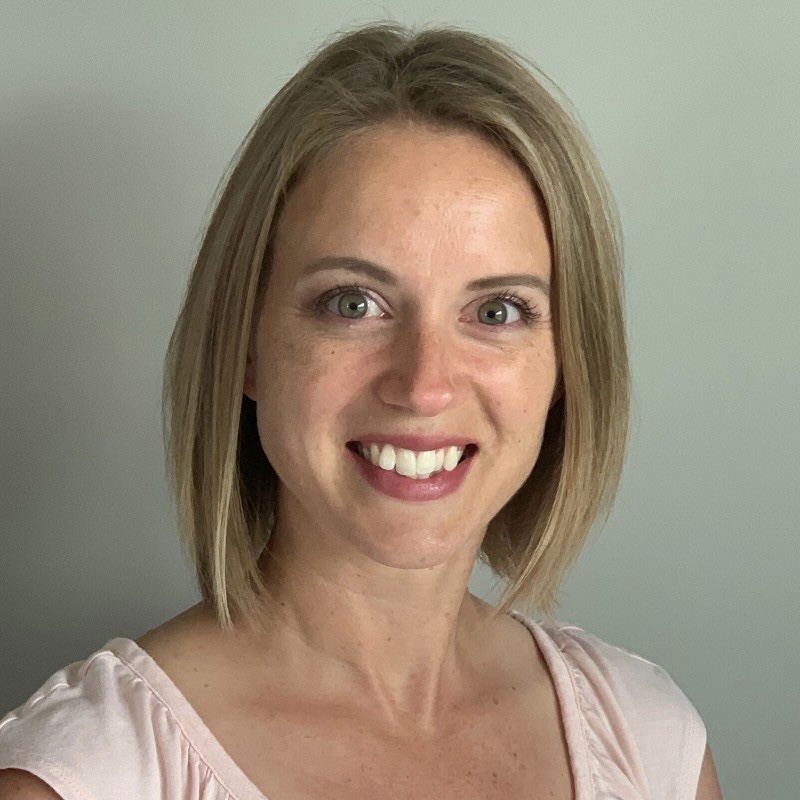 Megan Farnsworth joined the League’s staff in December 2022 as Executive Assistant. Megan is driven by work that is personally fulfilling, and feels honored to help support the work of an organization that pushes for more robust programming and opportunities for the residents of our state. She’s excited and motivated to gain overarching knowledge of the policies and agendas that the League supports.