An Interview With Michael Hyacinthe, Regional Veteran Engagement Specialist, Habitat for Humanity Michigan
Part Two: NOW
Earlier this summer, we had the honor of talking with Michael Hyacinthe, Regional Veteran Engagement Specialist for Habitat for Humanity Michigan and an African American Navy veteran who lives in Grand Rapids, about the GI Bill and its impact on veterans of color over the last 76 years. Our far-reaching conversation with Michael covered the racism that began with the GI Bill’s inception and implementation and continues to have impacts on veterans and communities of color today. If you have not already, we strongly encourage you to read Part One of our interview for the appropriate context around this piece on how the policy has perpetuated present-day racial disparities. It is also important—and unfortunate—to note that this interview was discussing the murder of George Floyd and the protests that followed, but is just as applicable in the wake of the shooting of Jacob Blake, a new wave of protests and a violent attack on protesters, as well as the lack of justice for Breonna Taylor, and the sad, steady influx of new violent incidences between police and unarmed Black residents.
Do you feel like efforts to help homeownership through the GI bill have improved in the current day and what are some of the housing discrimination issues veterans and residents of color are running into now?
[The home ownership portion of the GI Bill] is currently called the VA home loan, and it’s governed and administrated by the SBA—the Small Business Administration. So, it is governed more equally now because the federal government has a more active role where they are managing that specific funding and they have access to communicate with the local bank. They can tell the local bank now that you cannot redline, you cannot [deny loans to veterans because of their race], so I think there is more control that makes it more positive because it’s the uniform approach in which the federal government has a clear direction and it’s not up to the states. That’s a benefit, but when we when we still look at veterans of color and their ability to currently own a home, yes, many of us have been able to overcome the financial barriers that were a result of our generational upbringing, but far more Black veterans are still facing those current hardships because of the upbringing, because of that systemic inequality, and so that opportunity is there, yes, but is the path there?
Could you talk about the impact or lasting effects on housing needs for older veterans and the discussion of safely aging-in-place?
Aging-in-place is a very key component of freedom and it provides self-worth and provides mental stability to know that you own a home where you can perhaps spend your last days on this planet. I think that itself provides a sense of relief, but in order to do so, we need to make sure that the veteran has the opportunity to live comfortably in that home. That means modifying the home so that if a veteran experiences some sort of disability, they can still move around. Making sure that if a veteran wants to still go outside, he or she has a ramp that would allow them to come in and out of their home. It’s a very important thing because it just provides that, yes, the place that I’ve sacrificed for and cherished my entire life will be there for me throughout my aging and I don’t have to leave it in order to live comfortably.
[Many older veterans] just need the ability to make sure that you can still move around comfortably within your own home and we are really focused on that through Habitat. The majority of the veterans that we are repairing homes for are older veterans, 60-years-old–plus, and these are veterans whose incomes are limited because of their disability or they’re on Social Security, and so they really can’t go out and fix that $10,000 roof repair or add that wheel chair ramp. And part of the reason they can’t do that, if we’re talking about aging veterans of color, it’s because that long list of [inequities and challenges they’ve faced over the course of their lives]. Yes, they currently have a home, but if you look at where they own their own, that location is not the prime market, which means perhaps the value of the home is not as high as other veterans’ and that the financial situation of that veteran is not as secure because of the many different things that we’ve been talking about.
Some of the housing challenges facing today’s veterans of color deal more with NIMBY-ism—“Not In My Backyard”—right? What are some examples of that at work?
I think Habitat as a whole is trying to be more proactive in where they build homes, but that of course is an economic issue. Habitat is a nonprofit and they’re going to build where the land is inexpensive so that the mortgage can be affordable. But then that’s just putting people of a specific economic condition all within the same area. You don’t have that diversity of mixed income. So, what habitat is trying to do is develop and build homes in communities where there are mixed income or there is more wealth.
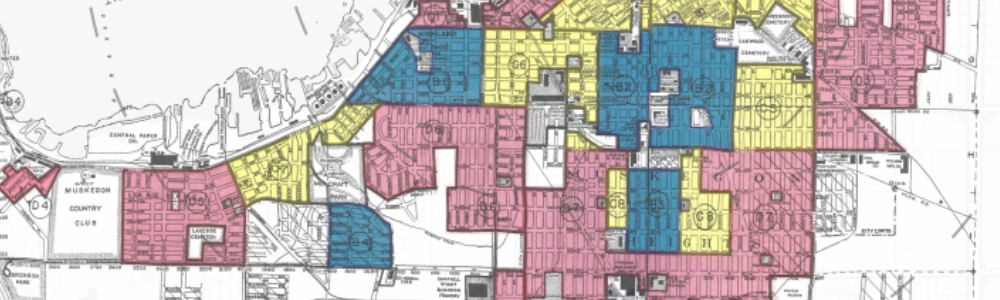
That’s a great thing in theory, but then when we look at the places that some of these homes are being built, people who live there are saying “No, you’re not going to build affordable home ownership in my neighborhood because A. They’re going to think that the person who lives there is not worthy of living amongst them and then B. They think that the person who’s going to live there will not properly keep up their homes which, they think will decrease the value of their community. That’s currently what’s happening right now, and so before, redlining was a county or city or state issue. Now it’s becoming a mental issue. Many of the developers in the places we’re trying to build, we are definitely finding some negativity on building those homes.
Do you see a connection between policing issues and the protests for racial justice right now and housing discrimination and other fights for equity?
Absolutely. It’s really all about opportunities. Many people of color don’t feel as if they’ve had the same opportunities as other individuals and we just feel as if the time is right now [to work to change that.], based on the current protests that are and the racial disparities of COVID. COVID really allowed us to stay home and think about, “wow, while you really don’t need much to survive, and we all as Americans have seen that throughout COVID, but the minority community is seeing that we still really don’t have much.” Three months of constant thinking and then seeing what we saw with George Floyd, you know, it is just the continuing effort to deprive us of many of the same opportunities that other individuals. So it seems if right now the time is right because of the many different things that are currently happening.
A friend of mine said COVID did not create all of these inequalities, it just showed us them clearer, it just exacerbated them. Now we have an opportunity to truly make change, to truly unite and leave a legacy that is leaving an America that is more inclusive to all. While we may never get back the reparations that are due, starting off and recognizing that the reason why we are in this position is because of what’s happened in the past, I think having that open conversation will put us in a better direction. I think right now that conversation is being had and I think it’s something that all organizations [are looking at their role in that conversation.] Habitat is doing that—recognizing the value of home ownership and how that can help the inequalities that a specific group has had to deal with. Habitat may need to look at investing more money in recruiting more individuals of color, and focus on and promote these programs to communities that we know have been truly impacted with respect to generational racism.
Could you talk a little bit more about Habitat for Humanity of Michigan and the particular work you are doing with veterans?
At Habitat, we have made it our mission to look at veterans as a unique individual that we would specifically focus on because of the many different hardships that many veterans experience. Some of those hardships are finances, some of those hardships are the trauma that veterans deal with, and so we recognize that there is a sense of positive patriotism as Americans but also from the corporate standpoint that these individuals who served should get a clearer focus. We saw that and we made it our mission to create a specific program that was dedicated to communicating and connecting with veterans. Part of the reason why we made a program exclusive to veterans is that they deal with issues that many nonveterans don’t deal with. In order to tap into that, we know that we needed to have a specific intentionality in reaching those specific veterans, so our goal is to communicate with the veteran population and let them know that we recognize their service, we recognize their sacrifices, and we want to extend an opportunity for them to be a part of the American dream by helping them build homes.
One of our sayings is that we truly want to put definition behind “welcome home.” Many veterans come from the battlefield and they’re always greeted with “welcome home,” but we believe that we can truly impact and put more definition behind what it truly means to be welcomed home—and throughout the state, we’re seeing impact. In the state of Michigan last year, we helped 118 veterans. We were able to build 10 veterans new homes, so that’s 10 new veterans who became homeowners. And we helped the remaining 108 veterans with home repairs. The average home repair costs $8,000 to $10,000, [so that’s an important area of need, too.] But that’s still a small percentage of the population.
In Michigan, there’s roughly 600000+ veterans, so there’s so many more veterans that we can serve, and so many more veterans that deserve our commitment to serve them. That’s why we feel that this issue that you’re discussing and how we look at generational inequalities is important. If we put that on top of the fact that many veterans and veterans of color have PTSD, [they are facing some significant challenges,] and so we want to help bridge that gap and provide them an opportunity to spread their wealth through their families and their children just as White veterans that came back home and were able to use their GI Bill to build wealth through their home and eventually pass that down through their kids. So we’re just trying to make sure that that opportunity happens for all veterans, but it’s really important for veterans of color who are still experiencing the trauma that they received when they came back home and experienced in redlining, in segregation, in Jim Crow. Habitat is very focused on serving veterans and people of all races at a specific income bracket—and it just so happens that a strong component of them are veterans of color because of our history.
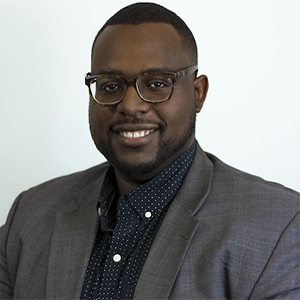
Michael Hyacinthe is originally from New York City and spent eight years in the U.S. Navy Construction Battalion, aka U.S. Navy Seabees. During his service, Michael was deployed to Iceland, Spain, Kuwait and Guam. He has a twin brother who is currently still serving in the 10th Mountain Division in the Army. After his military service, Michael moved to Grand Rapids and first became involved with Habitat for Humanity of Michigan by volunteering at the local habitat there. He was invited to help launch Kent County Habitat’s veterans program, and helped make Kent County one of the leaders in the program. Michael has been with Habitat for Humanity for eight years and currently serves as Regional Veteran Engagement Specialist for Habitat for Humanity Michigan, working at the state and national level to support Habitat affiliates and their work for veterans around the country.


 Jay Cutler joined the League in March 2026 as the Kids Count Senior Data Analyst, where he collects, analyzes, and prepares data for Kids Count in Michigan.
 Danielle Taylor-Basemore joined the League as the Development Data and Stewardship Coordinator in June 2025. She brings with her five years of nonprofit experience with a special focus on community engagement, data visualization and strategic programming. Prior to joining the League, Danielle served as the Business District, Safety, and Digital Manager at Jefferson East, Inc.
 Scott Preston is a Senior Policy Analyst with the Michigan League for Public Policy, where he leads the organization’s immigration and criminal justice reform portfolios. In the three years prior to joining the League, Scott facilitated the Southeast Michigan Refugee Collaborative and managed a small business economic development program at Global Detroit. His work included launching Michigan’s first Refugee Film Festival and building on a trusted connector model that linked marginalized communities with crucial resources. Scott’s work at the League is informed by his background in journalism and research. He spent four years covering the Syrian refugee crisis in the Middle East for publications such as The Economist, and later worked with unaccompanied refugee minors through Samaritas. Scott holds a master’s degree in international migration and public policy from the London School of Economics and Political Science.
 Kate Powers joined the League as the Chief Development Officer in February 2025. Prior to joining the League, Kate held leadership positions at many Michigan nonprofit organizations, most recently serving as the COO and Chief Development Officer of Ele’s Place. Kate has spent the bulk of her career in fundraising, with a short stint in the state Legislature as a legislative aide to members in both chambers. Kate is a graduate of Michigan State University’s James Madison College with a Bachelor of Arts in Social Relations and has a certificate in fundraising management from the Lilly Family School of Philanthropy at Indiana University. Additionally, Kate served on the East Lansing Public Schools Board of Education and is a past President of the Junior League of Lansing. In her free time, she enjoys traveling with her husband and her son and saving outfit of the day and home decor ideas on Pinterest.
  Nicholas Hess joined the League as the Fiscal Policy Analyst in September of 2024. In this role, Nicholas focuses on tax policy, government revenue, and their impact on working families and racial equity, including the effects of the Earned Income Tax Credit (EITC) and Child Tax Credit (CTC). Nicholas values the role that judicious fiscal policy can play in the improvement of people’s lives and the economy, alleviating inequities along the way.
 Audrey Matusz joined the League as the Visual Communications Specialist in September 2024. She supports the team with implementing social media strategies and brainstorming creative ways to talk about public policy. She brings with her nearly a decade of experience in producing digital products for evidence-based social justice initiatives.
  Jacob Kaplan
  Donald Stuckey
  Alexandra Stamm
 Amari Fuller
 Mikell Frey is a communications professional with a passion for using the art of storytelling to positively impact lives. She strongly believes that positive social change can be inspired by the sharing of data-driven information coupled with the unique perspectives of people from all walks of life across Michigan, especially those who have faced extraordinary barriers.
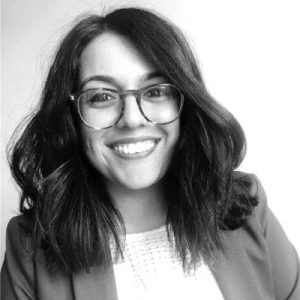


 Yona Isaacs (she/hers) is an Early Childhood Data Analyst for the Kids Count project. After earning her Bachelor of Science in Biopsychology, Cognition, and Neuroscience at the University of Michigan, she began her career as a research coordinator in pediatric psychiatry using data to understand the impacts of brain activity and genetics on children’s behavior and mental health symptoms. This work prompted an interest in exploring social determinants of health and the role of policy in promoting equitable opportunities for all children, families, and communities. She returned to the University of Michigan to complete her Masters in Social Work focused on Social Policy and Evaluation, during which she interned with the ACLU of Michigan’s policy and legislative team and assisted local nonprofit organizations in creating data and evaluation metrics. She currently serves as a coordinator for the Michigan Center for Youth Justice on a project aiming to increase placement options and enhance cultural competency within the juvenile justice system for LGBTQIA+ youth. Yona is eager to put her data skills to work at the League in support of data-driven policies that advocate for equitable access to healthcare, education, economic security, and opportunity for 0-5 year old children. In her free time, she enjoys tackling DIY house projects and trying new outdoor activities with her dog.
 Rachel Richards rejoined the League in December 2020 as the Fiscal Policy Director working on state budget and tax policies. Prior to returning to the League, she served as the Director of Legislative Affairs for the Michigan Department of Treasury, the tax policy analyst and Legislative Director for the Michigan League for Public Policy, and a policy analyst and the Appropriations Coordinator for the Democratic Caucus of the Michigan House of Representatives. She brings with her over a decade of experience in policies focused on economic opportunity, including workforce issues, tax, and state budget.
 Simon Marshall-Shah joined the Michigan League for Public Policy as a State Policy Fellow in August 2019. His work focuses on state policy as it relates to the budget, immigration, health care and other League policy priorities. Before joining the League, he worked in Washington, D.C. at the Association for Community Affiliated Plans (ACAP), providing federal policy and advocacy support to nonprofit, Medicaid health plans (Safety Net Health Plans) related to the ACA Marketplaces as well as Quality & Operations.


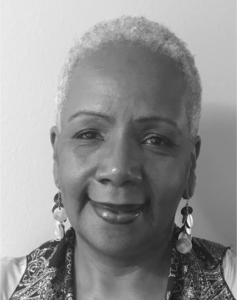 Renell Weathers, Michigan League for Public Policy (MLPP) Community Engagement Consultant. As community engagement consultant, Renell works with organizations throughout the state in connecting the impact of budget and tax policies to their communities. She is motivated by the belief that all children and adults deserve the opportunity to achieve their dreams regardless of race, ethnicity, religion or economic class.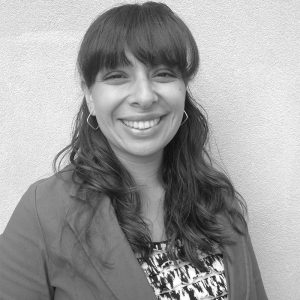
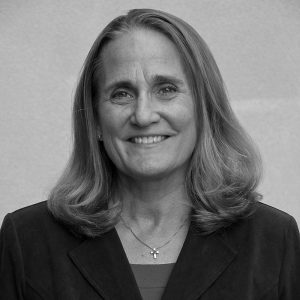


 Emily Jorgensen joined the Michigan League for Public Policy in July 2019. She deeply cares about the well-being of individuals and families and has a great love for Michigan. She is grateful that her position at the League enables her to combine these passions and work to help promote policies that will lead to better opportunities and security for all Michiganders.
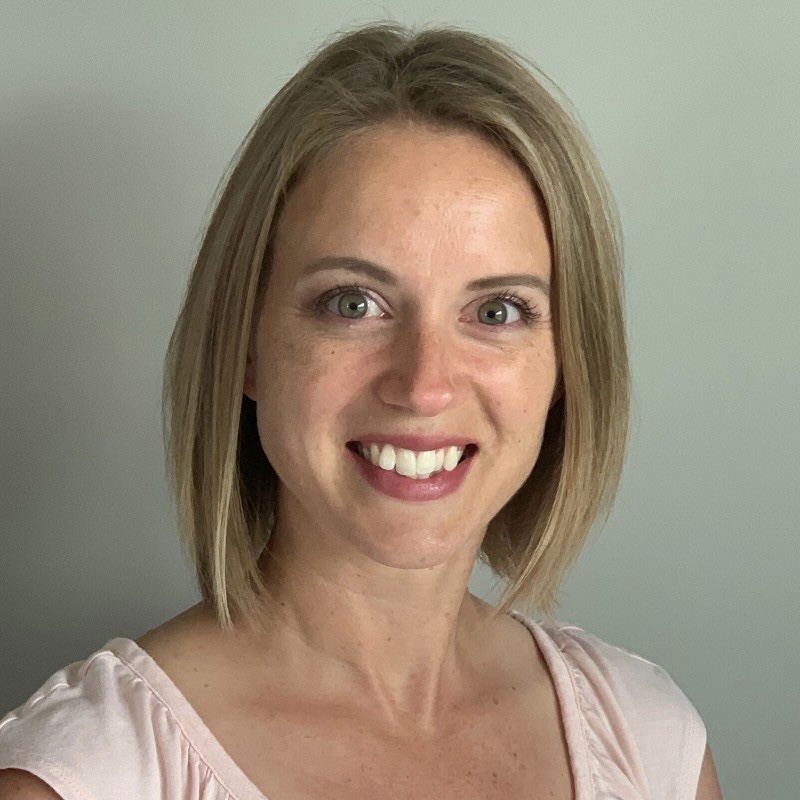 Megan Farnsworth joined the League’s staff in December 2022 as Executive Assistant. Megan is driven by work that is personally fulfilling, and feels honored to help support the work of an organization that pushes for more robust programming and opportunities for the residents of our state. She’s excited and motivated to gain overarching knowledge of the policies and agendas that the League supports.